Beijing Hospital Teams Up With AI Firm to Revolutionize Brain Scan Analysis

Medical AI Breakthrough: When Scans Become Self-Explaining

In what could transform how doctors interpret brain scans, Beijing Tiantan Hospital has partnered with tech firm Yinghe Yimei to launch an artificial intelligence system that doesn't just analyze CT images - it writes the diagnostic reports too.

The Doctor Will See Your Scan Now

The newly unveiled 'Xiaojun Doctor 2.0' represents a quantum leap in medical AI. Where previous systems could only flag potential abnormalities, this technology:

  • Processes all types of cranial CT scans
  • Covers the full spectrum of neurological conditions
  • Generates complete diagnostic reports with clinical context

"This isn't just pattern recognition anymore," explains Dr. Li Wei, a neuroradiologist at Tiantan Hospital. "The AI demonstrates something approaching clinical reasoning - it considers multiple factors before reaching conclusions, much like we do."

How It Works: More Than Meets the AI

The system builds on two technological pillars:

  1. Tiantan's treasure trove of high-quality brain scans paired with expert-written reports
  2. Yinghe Yimei's advanced 'base model' architecture enhanced with AI Agent capabilities

Together, they've created what may be medicine's most sophisticated diagnostic assistant yet. The AI doesn't simply identify lesions; it weighs their significance, considers possible diagnoses, and presents findings in professionally formatted reports.

From Lab to Clinic: Why This Matters

The implications are profound for busy hospitals:

  • Faster turnarounds: Automated reporting could slash waiting times for critical diagnoses
  • Standardized quality: Reduces variability between individual radiologists' interpretations
  • Decision support: Helps clinicians spot subtle patterns they might otherwise miss

Early tests show particular promise for detecting strokes, tumors, and degenerative conditions - cases where every minute counts.

Key Points:

  • First complete cranial CT analysis system covering all neurological conditions
  • Goes beyond detection to generate full diagnostic reports
  • Combines hospital expertise with cutting-edge AI architecture
  • Potential to standardize and accelerate neurological diagnoses worldwide
Enjoyed this article?

Subscribe to our newsletter for the latest AI news, product reviews, and project recommendations delivered to your inbox weekly.

Weekly digestFree foreverUnsubscribe anytime

Related Articles

News

AI Breakthrough in Brain Scan Analysis: 'Xiaojun Doctor 2.0' Launches

A new AI model promises to revolutionize how doctors interpret brain scans. Developed by Yinghe Yimei with Beijing Tiantan Hospital, 'Xiaojun Doctor 2.0' can analyze cranial CT scans for virtually any condition, from common ailments to rare diseases. The technology could significantly reduce diagnosis times while improving accuracy, potentially transforming patient care in neurology departments worldwide.

April 24, 2026
medical AIneurologydiagnostic technology
News

OpenAI gives doctors free access to specialized ChatGPT

OpenAI is making waves in healthcare by offering medical professionals free access to a clinical version of ChatGPT. Designed specifically for doctors, nurses, and pharmacists, this tool aims to streamline medical workflows and support decision-making. The service will debut in the U.S. with robust verification systems to ensure security and professional standards. This initiative could transform how healthcare workers retrieve information, analyze cases, and generate reports.

April 23, 2026
OpenAIhealthcare technologymedical AI
Google's MedGemma 1.5 AI Takes Medical Imaging to the Next Dimension
News

Google's MedGemma 1.5 AI Takes Medical Imaging to the Next Dimension

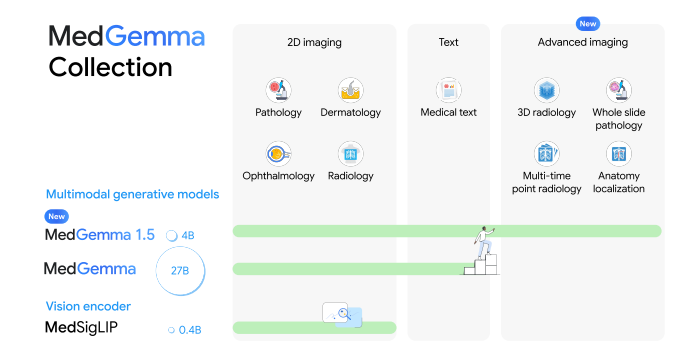
Google has just unveiled MedGemma 1.5, its latest open-source medical AI that can interpret complex 3D scans with remarkable accuracy. This upgrade moves beyond traditional 2D image analysis, offering doctors potential new tools for everything from tumor tracking to digital pathology. While not yet ready for clinical use, the model shows impressive improvements - achieving double-digit accuracy gains while maintaining its efficient 4 billion parameter size.

April 17, 2026
medical AIGoogle ResearchAI in healthcare
Virtual Doctors Meet AI Patients in Tsinghua’s Groundbreaking Digital Clinic
News

Virtual Doctors Meet AI Patients in Tsinghua’s Groundbreaking Digital Clinic

Tsinghua University's Zijing Zhikang has unveiled a futuristic 'AI Hospital' where doctors can create digital twins of themselves. These virtual physicians interact with hyper-realistic AI patients in simulated consultations, allowing for real-time skill development. The system spans 26 clinical specialties and builds on Tsinghua's pioneering 'Agent Hospital' concept. This marks a major leap from experimental tech to practical medical training tools.

April 13, 2026
medical AIvirtual healthcaredoctor training
How an AI Nutrition Coach Outperformed Human Experts
News

How an AI Nutrition Coach Outperformed Human Experts

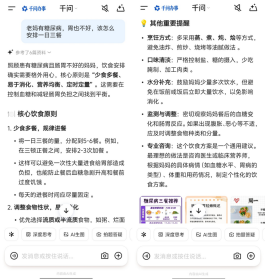
When 68-year-old diabetic patient Li needed dietary advice, her son turned to an AI app - and was stunned by the practical, personalized response. A recent blind test pitting three AI health assistants against nutrition experts revealed one clear winner: Qwen. With its authoritative data sources and actionable advice, this AI is changing how we approach everyday health questions - though doctors warn it's no replacement for medical diagnosis.

April 9, 2026
AI health assistantsnutrition technologymedical AI
Ant Health's AI Now Taps Into China's Premier Medical Database
News

Ant Health's AI Now Taps Into China's Premier Medical Database

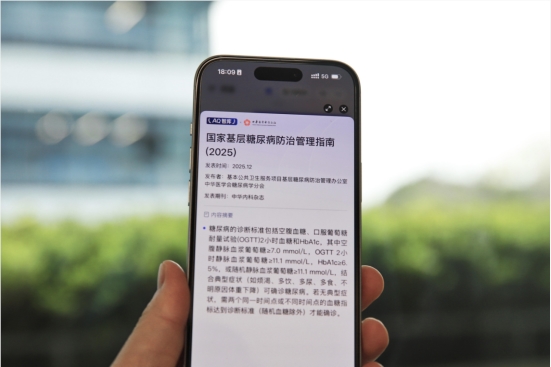
In a major step for digital healthcare, Ant Health's AI assistant Afu has gained full access to the Chinese Medical Association Journal's authoritative knowledge base. This integration allows Afu to reference the latest clinical guidelines and research when answering health queries, bringing professional medical insights to millions of users. The move represents a significant bridge between specialized medical knowledge and public accessibility through AI technology.

March 17, 2026
digital healthmedical AIhealth technology