OpenAI gives doctors free access to specialized ChatGPT
OpenAI Rolls Out Free AI Assistant for Medical Professionals
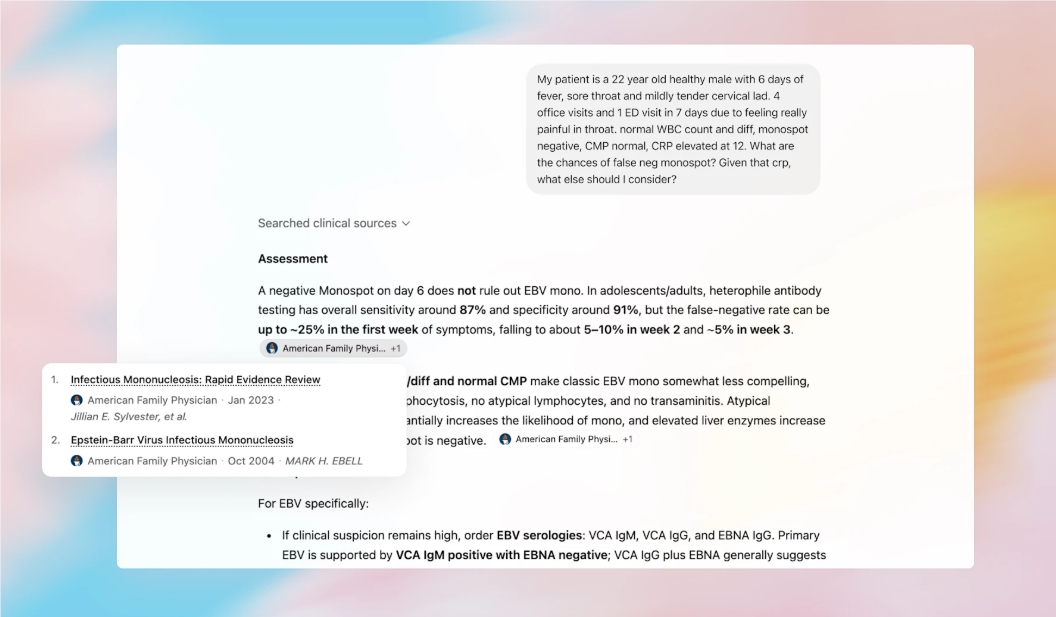
In a significant move for both artificial intelligence and healthcare, OpenAI has announced it will provide verified medical professionals with free access to a specialized version of ChatGPT tailored for clinical use.
Who Gets Access?
The program initially targets:
- Practicing physicians
- Registered nurses
- Physician assistants
- Pharmacists
"We want to put this technology directly in the hands of frontline healthcare workers," an OpenAI representative explained. "It's about giving them smart tools that can help with everything from routine paperwork to complex case analysis."
Launch Details
The clinical ChatGPT service will first become available in the United States. OpenAI has implemented strict identity verification measures to maintain professional standards and protect sensitive medical information.
While technical specifications remain under wraps, industry experts anticipate this medical version will outperform standard AI models in:
- Medical knowledge retrieval
- Report generation
- Clinical case analysis
Why This Matters
This initiative represents one of the first major attempts to adapt general-purpose AI for specialized medical applications. The potential impact on healthcare workflows could be substantial.
"Imagine having an AI assistant that truly understands medical terminology and context," said Dr. Sarah Chen, a Boston-based internist who tested an early version. "It's not about replacing clinicians - it's about giving us back more time for patient care."
The rollout comes as hospitals nationwide struggle with physician burnout and administrative overload. Early adopters suggest the technology could shave hours off documentation time while improving accuracy.
Looking Ahead
As the service expands, observers will be watching several key questions:
- How quickly will medical professionals adopt this technology?
- What safeguards are in place for patient privacy?
- Can AI truly enhance rather than disrupt the doctor-patient relationship?
The answers may shape not just OpenAI's future in healthcare, but the broader integration of AI into medicine.
Key Points:
- Free access for verified medical professionals
- U.S. launch first, with strict verification systems
- Specialized capabilities beyond standard ChatGPT
- Potential to transform documentation and case analysis