Beijing Greenlights 15 New AI Services in Latest Tech Push
Beijing Expands AI Ecosystem with 15 New Services
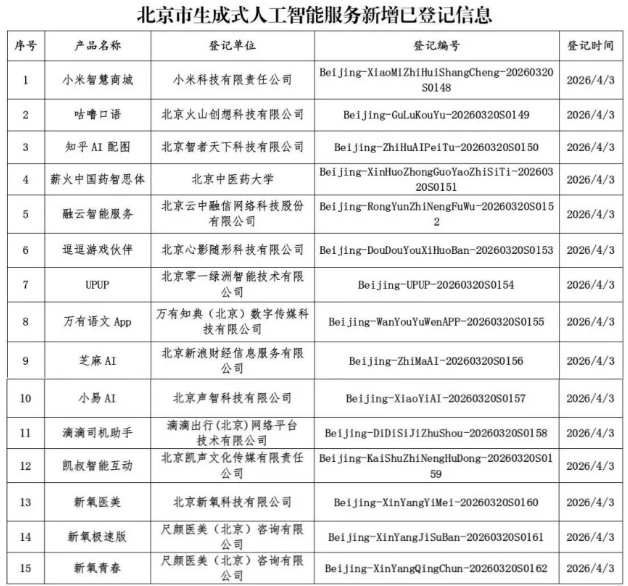
The Beijing Internet Information Office has taken a major step in regulating the city's booming artificial intelligence sector. In its latest announcement, the office revealed that 15 new generative AI services have completed registration and can now operate legally within China's capital.
What This Means for Users
These newly approved services range from creative tools to productivity applications, all built on registered large language models. For everyday users, this translates to:
- More diverse AI-powered tools at their fingertips
- Better protection through mandatory content labeling
- Increased confidence in using registered services
"The registration system creates a win-win situation," explains tech analyst Li Wei. "Developers get clear guidelines, while users gain access to vetted AI services that meet national standards."
The Rules Behind the Rollout
Under China's Interim Measures for Generative AI Services, all approved applications must:
- Prominently display their registration numbers
- Clearly mark AI-generated content
- Comply with synthetic content identification rules
These requirements aim to maintain transparency in an increasingly AI-driven digital landscape. As one Beijing resident put it: "Knowing whether I'm interacting with human or machine-generated content helps me make better decisions about what to trust."
Balancing Innovation and Oversight
The latest approvals demonstrate Beijing's attempt to walk the fine line between fostering technological advancement and implementing necessary safeguards. While some developers initially worried about red tape slowing innovation, many now see value in having clear operational boundaries.
"The registration process was thorough but reasonable," shared the founder of one newly approved service who asked to remain anonymous. "It forced us to think carefully about how our technology impacts users."
Key Points:
- 15 new generative AI services registered in Beijing as of April 2026
- All services must identify AI-generated content clearly
- Registration system aims to protect users while enabling innovation
- Move reflects China's balanced approach to AI development