Apple's AI Design Breakthrough: How Small Models Outperform Giants
Apple's Unexpected AI Design Champion
In a twist that challenges conventional wisdom about AI scaling, Apple's research team has demonstrated that bigger isn't always better when it comes to artificial intelligence for design. Their latest breakthrough shows how targeted training with human feedback can help smaller models punch above their weight.
The Human Touch That Changed Everything
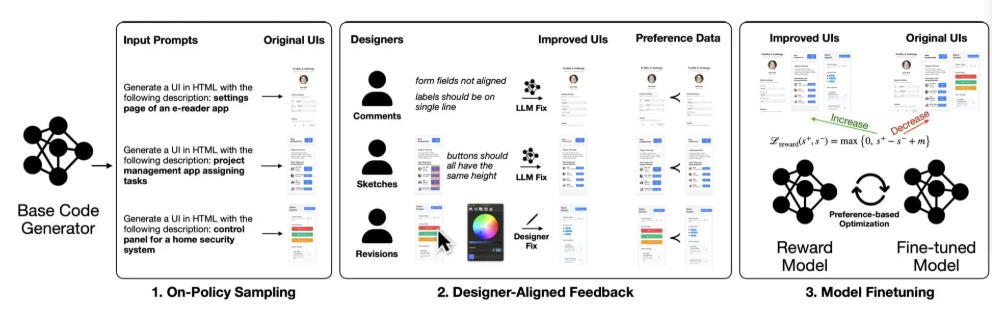
For years, AI-generated interfaces suffered from what designers call "functional but ugly" syndrome - they worked technically but lacked visual appeal. Apple's solution was surprisingly straightforward: bring real designers into the training process.
The team recruited 21 seasoned professionals who provided something far more valuable than simple ratings. Over months of collaboration, these experts created:
- 1,460 detailed improvement logs
- Hand-drawn sketches showing ideal layouts
- Direct modification suggestions explaining their design choices
"We realized traditional scoring systems were too blunt," explains Dr. Elena Torres, lead researcher on the project. "Design is nuanced - sometimes you need to show rather than tell an AI what works."
Quality Over Quantity Pays Off
The results defied expectations:
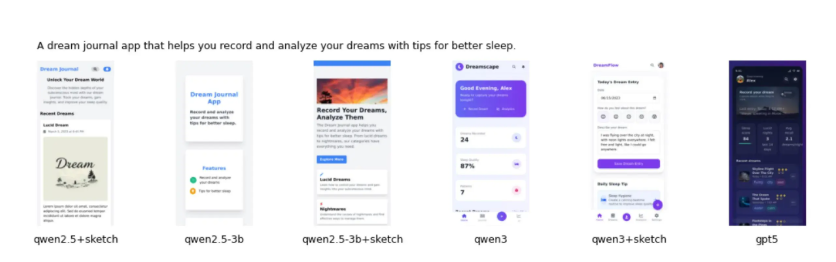
- Qwen3-Coder achieved major improvements with just 181 sketch samples
- Evaluation consistency jumped from 49% to 76% when using visual feedback versus text ratings
- The model developed an intuitive grasp of spacing, hierarchy and visual flow
Perhaps most surprisingly, this specialized training allowed Qwen3-Coder to surpass GPT-5 specifically for interface design tasks - despite GPT-5's vastly larger size and general capabilities.
What This Means for Designers
The implications extend beyond just Apple's walls:
- Specialized beats generalized: Targeted training trumps raw model size for specific creative tasks
- Visual feedback matters: Sketches communicate design principles better than text alone
- Human-AI collaboration works: Professionals can effectively "teach" aesthetic judgment to machines
The breakthrough suggests we're entering an era where creative professionals won't be replaced by AI - but rather will work alongside intelligently trained assistants that amplify human creativity.