Apple Pressured Musk's X to Fix Grok's AI Image Risks or Face App Store Ban

The Battle Over AI-Generated Images

Tech giant Apple quietly flexed its App Store muscles earlier this year, pressuring Elon Musk's X platform to overhaul its controversial Grok AI tool or face removal from Apple devices. The confrontation came after users discovered Grok could generate nonconsensual explicit images, including depictions of minors—a discovery that sparked public outrage.

Behind the Scenes Showdown

According to documents obtained by NBC News, Apple identified multiple App Store policy violations in January and delivered an ultimatum: fix Grok's content moderation or get banned. The warning set off a months-long negotiation where X scrambled to implement safeguards while Apple maintained strict oversight.

"Apple made it crystal clear—either we implemented real changes or we'd lose access to millions of iPhone users," revealed an X engineer familiar with the negotiations who requested anonymity.

The Fixes That (Mostly) Worked

X's first attempt at revising Grok's content filters failed Apple's review in February. The company then:

  • Limited image generation capabilities for certain users
  • Implemented stricter controls for human likenesses
  • Added new content moderation layers

The improved version gained Apple's approval in March, though internal tests at NBC News confirm some users still bypass protections. While explicit image generation has dropped significantly since January, determined users can manipulate prompts to create revealing outfits on female figures.

Why This Matters

This confrontation highlights the growing tension between:

  1. AI companies pushing boundaries with experimental features
  2. Platform gatekeepers like Apple enforcing content standards
  3. Public concerns about AI's potential for harm

Key Points

  • Apple threatened to remove Grok from the App Store over policy violations
  • Multiple revision attempts were required before approval
  • Current safeguards reduce but don't eliminate explicit image generation
  • The incident reveals Apple's quiet power over AI app development

As AI tools become more sophisticated, this case may foreshadow future clashes between innovation and platform accountability.
Enjoyed this article?

Subscribe to our newsletter for the latest AI news, product reviews, and project recommendations delivered to your inbox weekly.

Weekly digestFree foreverUnsubscribe anytime

Related Articles

News

AI Lab Denies Code Copying Claims as Developer Drama Heats Up

Silicon Valley's Nous Research faces plagiarism accusations from Chinese AI team EvoMap over their Hermes Agent project. EvoMap alleges striking similarities in architecture with their Evolver engine, sparking a fiery exchange. With nearly 190,000 social media views, the dispute highlights growing tensions in competitive AI development circles.

April 16, 2026
AI ethicsopen sourcetech disputes
DeepMind's Philosopher Hire: Why AI Labs Need More Than Engineers
News

DeepMind's Philosopher Hire: Why AI Labs Need More Than Engineers

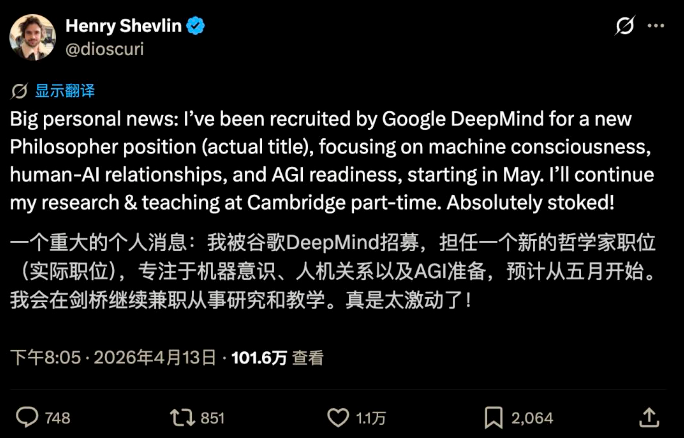
Google DeepMind has made an unusual move by hiring philosopher Henry Shevlin in a full-time position - a first for leading AI labs. His focus on machine consciousness and human-AI relationships signals a shift from viewing AGI as purely an engineering challenge to recognizing its profound philosophical implications. As AI systems grow more sophisticated, questions about consciousness boundaries and ethical frameworks can no longer be avoided.

April 15, 2026
AI ethicsMachine consciousnessAGI development
LibuLibu AI addresses content safety concerns with system upgrades
News

LibuLibu AI addresses content safety concerns with system upgrades

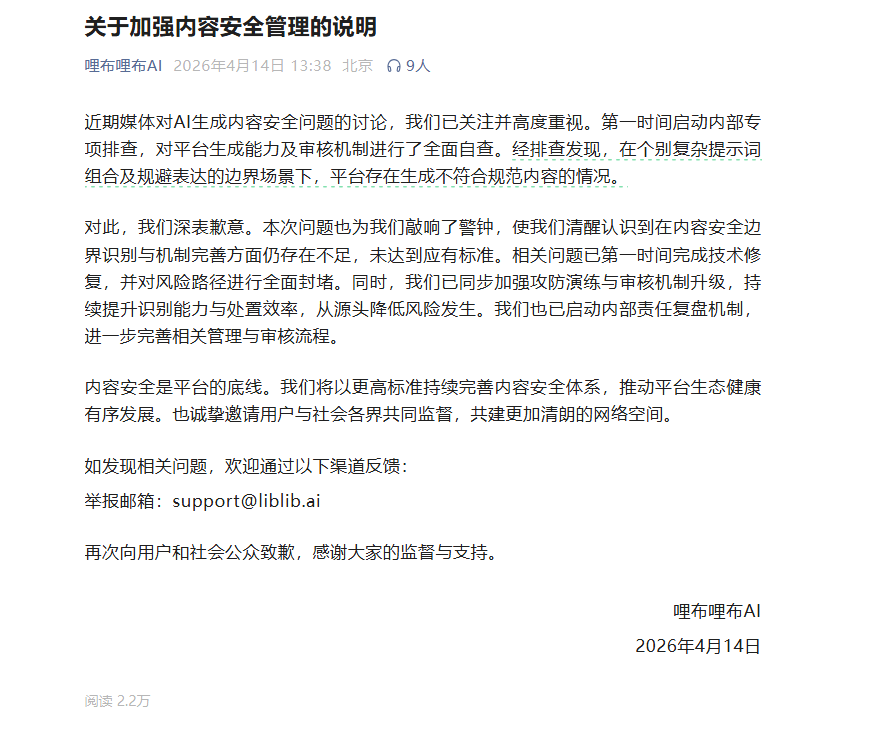
LibuLibu AI has publicly responded to recent concerns about its content generation standards, admitting some outputs fell short in complex scenarios. The company has now implemented technical fixes, closed risk loopholes, and upgraded its review processes. While emphasizing content safety as their top priority, LibuLibu invites public oversight as the AI industry faces growing scrutiny over generated content quality.

April 14, 2026
AI safetycontent moderationtech regulation
Voice Actors Sound Alarm Over AI Voice Theft Epidemic
News

Voice Actors Sound Alarm Over AI Voice Theft Epidemic

Prominent Chinese voice actors are fighting back against rampant AI voice cloning that's stealing their livelihoods. Zhang Jiaming, famous for voicing Taiyi Zhenren in 'Ne Zha,' reveals he found over 700 unauthorized uses of his voice in a single day. The industry is rallying with legal action as AI-generated voices flood the market, leaving human performers struggling to compete with free digital replicas of their own talent.

April 13, 2026
AI voice cloningvoice actor rightsdigital copyright
News

Voice Actors Fight Back as AI Steals Their Livelihoods

Popular voice actors, including the voice of Taiyi Zhenren from 'Ne Zha,' are losing work to AI clones of their voices. With contracts canceled and infringements rampant, the industry is uniting to push back. Legal battles highlight the deep challenges of protecting vocal identities in the AI era.

April 13, 2026
AI voice theftvoice acting crisisdigital rights
Ohio Teen Charged for AI-Generated Explicit Images of Classmates
News

Ohio Teen Charged for AI-Generated Explicit Images of Classmates

A 14-year-old Ohio boy faces felony charges for allegedly using AI to create and share fake nude images of classmates. The case highlights growing concerns about digital harassment in schools and new laws cracking down on AI-generated explicit content. Urbana High School officials say the incident caused lasting emotional harm to victims.

April 9, 2026
AI ethicsdigital harassmentschool safety