
LibuLibu AI addresses content safety concerns with system upgrades

LibuLibu AI Takes Action After Content Generation Flaws

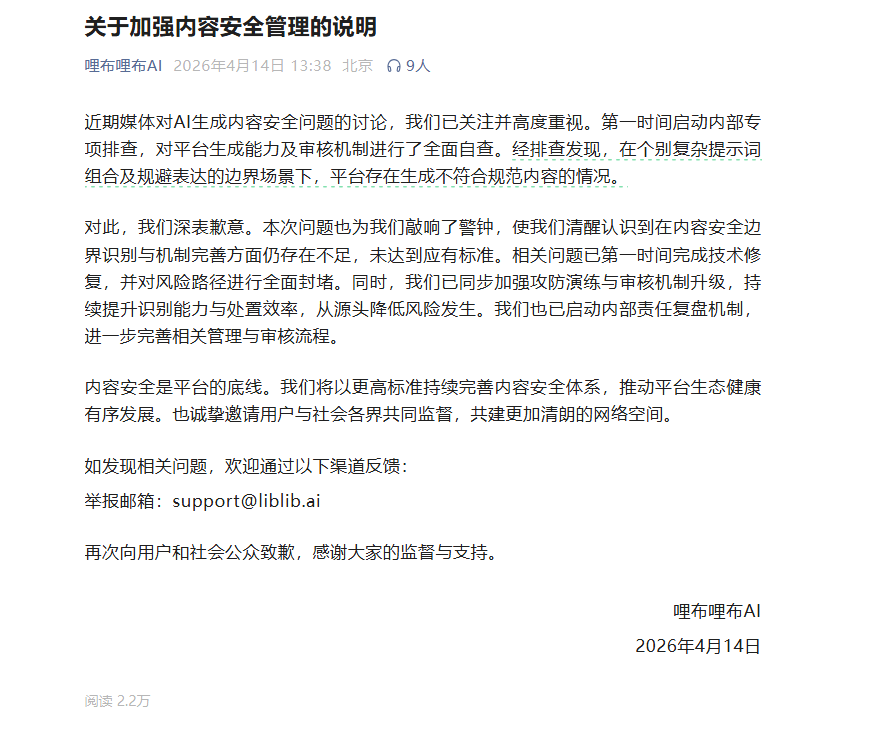
Facing mounting scrutiny over AI-generated content safety, LibuLibu AI has stepped forward with both an apology and concrete solutions. The company acknowledged that its platform occasionally produced substandard outputs when users employed sophisticated prompt combinations or worked around existing content filters.

The Fixes: More Than Just Patches

The AI firm didn't just stop at technical repairs. Engineers completely overhauled the system's vulnerable points while implementing stronger safeguards against potential misuse. "We've turned every stone to eliminate known risks," the statement suggests, though the company remains cautious about future challenges.

A multi-layered approach now includes:

  • Enhanced penetration testing to catch problematic content faster
  • Management process reviews addressing content security at its roots
  • New accountability measures for internal teams

Why This Matters Now
Image

This incident highlights the tightrope walk facing AI platforms. As LibuLibu's technical lead explained, "The more creative users get with prompts, the harder it becomes to maintain quality control without stifling innovation." The company now encourages users to report concerns directly to support@liblib.ai, betting on crowdsourced vigilance.

Industry observers see this as part of a larger trend. "We're entering an era where AI companies can't just focus on what their systems can do," notes tech analyst Miranda Cho. "They'll be judged equally on what they prevent their systems from doing."

Looking Ahead

LibuLibu's statement positions the incident as a turning point, promising "higher standards" for ecosystem health. But with AI-generated content becoming ubiquitous, the real test will be whether these measures satisfy both regulators and a skeptical public.

Key Points:

  • LibuLibu AI admits some generated content failed quality checks
  • Complete technical overhaul implemented with new safeguards
  • Review processes upgraded with faster illegal content detection
  • Company invites public oversight through dedicated reporting channel
  • Incident reflects growing compliance pressures in AI industry

Enjoyed this article?

Subscribe to our newsletter for the latest AI news, product reviews, and project recommendations delivered to your inbox weekly.

Weekly digestFree foreverUnsubscribe anytime

Related Articles

News

Claude Code Leak Sparks GitHub Phishing Frenzy

Hackers are exploiting the recent Claude Code source code leak by creating fake GitHub repositories offering 'enterprise features.' Security experts warn these traps distribute Vidar malware, which steals sensitive data and establishes backdoor access. The sophisticated campaign uses SEO tricks to appear at the top of search results, putting curious developers at risk.

April 3, 2026
cybersecurityAI safetydeveloper security
News

WeChat Cracks Down on AI-Altered Videos, Removes 3,800 Clips

WeChat has intensified its crackdown on AI-modified videos that distort classic works and historical figures. The platform removed 3,800 violating clips and banned one account after finding content that twisted TV dramas, animated characters, and historical narratives. This move follows national guidelines to protect minors and maintain online order. WeChat urges creators to exercise self-discipline as it enhances its content moderation capabilities.

April 2, 2026
content moderationAI ethicsdigital safety
News

Tragedy Strikes as Teen's ChatGPT Query on Suicide Leads to Fatal Outcome

A heartbreaking case from England reveals how a vulnerable 16-year-old bypassed ChatGPT's safety measures to obtain detailed suicide methods. The coroner's report shows how Luca Sela-Walker convinced the AI he needed the information for 'research' just hours before taking his own life. This tragic incident raises urgent questions about AI safeguards and mental health protections in the digital age.

April 1, 2026
AI safetymental healthtechnology ethics
News

Wikipedia Draws the Line: No More AI-Generated Content Allowed

Wikipedia has officially banned the use of large language models to create or rewrite articles, marking a decisive shift from its previous ambiguous stance. The new policy, supported by an overwhelming 40-2 vote from the editing community, aims to protect the encyclopedia's accuracy and reliability. While AI can still assist with basic editing suggestions and translations under strict guidelines, any content introducing new facts or viewpoints generated by AI is strictly prohibited. The move reflects growing concerns about AI hallucinations and misinformation undermining Wikipedia's reputation as a trusted knowledge source.

March 27, 2026
Wikipedia policyAI restrictionscontent moderation
News

Beijing Cracks Down on AI Misuse with Month-Long 'AI for Good' Campaign

Beijing has launched a targeted campaign to clean up AI misuse online. The one-month initiative aims to tackle everything from deepfake scams to AI-generated pornography, focusing on five key problem areas. Authorities will work with platforms to strengthen content moderation while cracking down on illegal services that exploit AI technology.

March 18, 2026
AI regulationdeepfake crackdowncontent moderation
Lobster AI Craze Sparks Security Concerns: Safety Guide Released
News

Lobster AI Craze Sparks Security Concerns: Safety Guide Released

The wildly popular OpenClaw AI assistant, nicknamed 'Lobster' for its autonomous capabilities, has raised red flags among security experts. As users nationwide embrace this digital helper, authorities warn about potential risks like data theft and system takeovers. The National Security Bureau has stepped in with a safety manual offering practical tips to enjoy Lobster's benefits without getting pinched by security threats.

March 17, 2026
OpenClawAI safetydigital assistants