Alibaba's CoPaw rebrands as QwenPaw, deepening ties with open-source AI ecosystem

Alibaba's Desktop AI Assistant Gets a New Identity

Alibaba Cloud's open-source desktop agent tool has shed its old name - CoPaw - and emerged with a fresh identity: QwenPaw. This isn't just a cosmetic change; the rebranding signals the project's official entry into the Qwen (Tongyi Qianwen) open-source ecosystem. The move comes alongside the release of version 1.1.0, which promises to deliver a more seamless digital assistant experience through tighter software-hardware integration.

Image

What's Behind the Name Change?

The new moniker carries significant meaning. "Qwen" represents the tool's deep connection to Alibaba's open-source AI ecosystem, while "Paw" maintains continuity with the original concept - your trusty digital companion always at hand.

"This rebranding reflects our dual commitment," explains the development team. "We're strengthening our roots in the open-source community while keeping our focus on being an accessible, everyday assistant."

Why QwenPaw Stands Out

In the crowded field of desktop AI tools, QwenPaw distinguishes itself with several key advantages:

  • Simpler than ever: Boasting what developers claim is the lowest deployment barrier in the industry, it's designed for users who want powerful AI without the complexity
  • Works where you do: Native support for DingTalk, Feishu, QQ, Discord and iMessage means your AI assistant integrates seamlessly with your existing workflow
  • Your choice, your control: Users can opt for local deployment for maximum privacy or cloud deployment for convenience
  • Endlessly adaptable: The tool allows connection to local models and comes packed with practical ready-to-use skills

What's Next for QwenPaw?

The rebranding comes with a roadmap focused on "end-cloud integration." Future updates will prioritize:

  • Faster local processing: Optimizations for desktop hardware aim to speed up file handling and automation tasks
  • Stronger safeguards: Version 1.1.0 introduces enhanced security measures while maintaining its open-source ethos
  • Smarter collaboration: The team is working on improved interaction between large and small AI models for more sophisticated assistance

For developers and power users tracking the evolution of desktop AI tools, QwenPaw's transformation represents an interesting development in the ongoing competition with alternatives like OpenClaw.

Key Points

  • New identity: CoPaw becomes QwenPaw to reflect deeper integration with Alibaba's open-source ecosystem
  • Simpler AI: Designed to offer powerful assistance without steep learning curves
  • Flexible deployment: Choose between local installation for privacy or cloud setup for convenience
  • Future-ready: Development roadmap focuses on faster local processing and smarter AI collaboration

Enjoyed this article?

Subscribe to our newsletter for the latest AI news, product reviews, and project recommendations delivered to your inbox weekly.

Weekly digestFree foreverUnsubscribe anytime

Related Articles

Ant Forest Releases Massive 2.7TB Depth Dataset for AI Vision
News

Ant Forest Releases Massive 2.7TB Depth Dataset for AI Vision

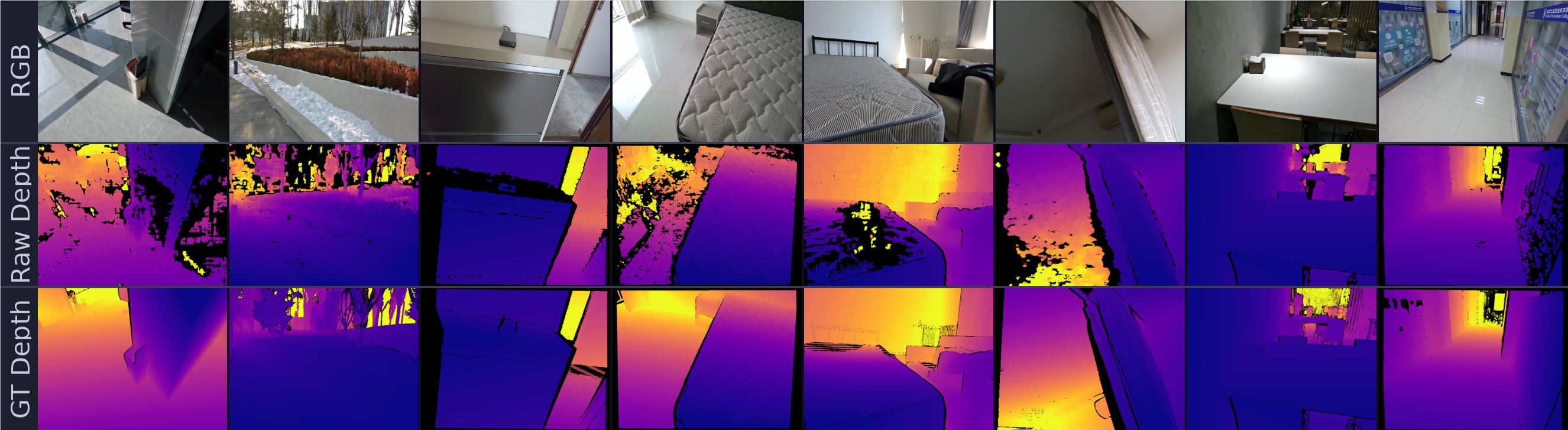
Ant Lingbo Technology has unveiled a game-changing open-source dataset for computer vision research. The LingBot-Depth-Dataset packs 3 million sample pairs - including 2 million real-world captures - across six popular depth cameras. This treasure trove of spatial perception data could revolutionize how AI systems understand 3D environments, with potential applications ranging from robotics to augmented reality.

March 31, 2026
computer visionAI datasetsdepth sensing
Alibaba Cloud hikes AI service prices amid computing crunch
News

Alibaba Cloud hikes AI service prices amid computing crunch

Alibaba Cloud is raising prices for its AI computing and storage services by up to 34%, signaling tightening supply in the cloud infrastructure market. The increases affect core products including the Pingtouge Zhenwu series and specialized storage solutions, driven by surging global demand for AI capabilities. This move reflects the growing strain on computing resources as generative AI applications scale up worldwide.

March 18, 2026
cloud computingAI infrastructureAlibaba Cloud
Didi's AI assistant makes ride-hailing as easy as chatting with a friend
News

Didi's AI assistant makes ride-hailing as easy as chatting with a friend

Didi has officially launched its AI travel assistant 'Xiao Di' after six months of beta testing. The smart assistant understands natural language requests like 'I feel carsick' or 'pick up my friend first', automatically matching them with appropriate services. With over 90 service tags, it aims to simplify complex travel needs into one-step solutions. Users can now upgrade their Didi app to try this conversational approach to booking rides.

March 18, 2026
ride-hailingAI assistantsmart travel
News

Baidu's Smart Speakers Get Smarter with OpenClaw Integration

Baidu is taking its smart speakers to the next level by integrating OpenClaw, an advanced AI agent. This upgrade transforms Xiaodu speakers from simple voice assistants into capable digital helpers that can handle complex tasks across multiple apps. Imagine asking your speaker to book dinner reservations and set reminders - soon it'll be able to do just that.

March 17, 2026
smart homeAI assistantBaidu
News

Hume AI's TADA Brings Lightning-Fast, Hallucination-Free Speech to Your Phone

Hume AI has unveiled TADA, a groundbreaking text-to-speech system that runs efficiently on mobile devices. Unlike traditional models, it eliminates content hallucinations while delivering audio five times faster. What really sets it apart? The ability to generate 700-second audio clips and provide real-time transcriptions simultaneously - no extra processing needed. Early tests show it outperforms larger models in voice quality too.

March 12, 2026
AI speech synthesismobile technologyopen source AI
Tencent's WorkBuddy Gets Smarter: Now Plays Nice With WeChat
News

Tencent's WorkBuddy Gets Smarter: Now Plays Nice With WeChat

Tencent's desktop AI assistant WorkBuddy just leveled up. The new version lets users connect seamlessly with WeChat - just scan a QR code to control tasks remotely. Beyond smoother integrations with QQ and Feishu, WorkBuddy now handles automated workflows like report generation and meeting notes. Tencent's pushing hard to make AI assistants more useful where we actually work.

March 12, 2026
TencentAI assistantworkplace automation