AI21 Unveils Open-Source Mini Language Model Jamba Reasoning3B
AI21 Introduces Compact Powerhouse: Jamba Reasoning3B
Tel Aviv-based AI21 Labs has released Jamba Reasoning3B, its newest open-source small language model designed specifically for edge AI computing. Licensed under Apache 2.0, this "mini language model" represents a strategic shift toward efficient, device-friendly AI solutions.
Hybrid Architecture Breaks New Ground
Unlike conventional large language models (LLMs), Jamba Reasoning3B employs AI21's proprietary hybrid state space model (SSM)-transformer architecture. SSMs are deep learning algorithms excelling at sequence modeling tasks while requiring fewer computational resources than traditional transformers.
"State space models predict subsequent states based on current conditions," explained Brad Shimmin, Futurum Group analyst. "While the concept isn't new, practical implementations have only recently become viable due to technological advancements."
The architecture incorporates elements from Mamba, a neural network framework based on SSM principles. This enables remarkable efficiency gains:
- 256,000 token context window
- Capacity to process 1 million tokens
- Comparable capabilities to industry giants (Claude, Gemini, Llama)
- Runs natively on consumer devices (iOS, Android, macOS, Windows)
Performance That Punches Above Its Weight
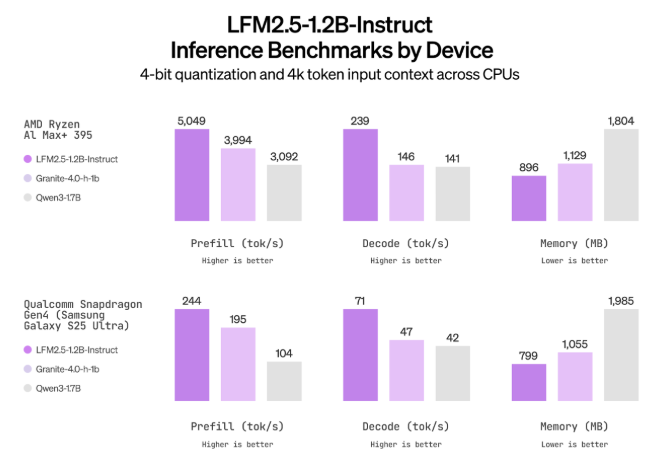
During launch demonstrations, Jamba Reasoning3B outperformed several prominent open-source LLMs across standardized benchmarks:
- IFBench
- MMLU-Pro
- Humanity's Last Exam
The model surpassed competitors including:
| Model | Developer | Parameters |
|---|
Enterprise Applications Beckon
The model's compact size and retrieval-augmented generation capabilities make it particularly attractive for business implementations:
"Enterprises can customize Jamba Reasoning3B while maintaining strict data governance," noted Shimmin. "Customer service represents a prime use case—the system can triage complaints and determine when human escalation becomes necessary."
Additional enterprise benefits include:
- Reduced computational overhead versus traditional LLMs
- On-device processing enhances privacy compliance
- Scalable deployment across organizational infrastructures
Strategic Positioning in Competitive Landscape
Though smaller than generative AI heavyweights, AI21 has cultivated significant industry support:
- Backing from Google and Nvidia
- Over $600 million raised since 2017 founding The company appears poised to leverage its open-source strategy to build an ecosystem around its specialized architectures.
The release underscores growing industry recognition that bigger doesn't always mean better when it comes to practical AI implementations.
Key Points:
✨ Edge Optimization: Designed specifically for on-device AI applications across smartphones and computers
🔍 Architectural Innovation: Hybrid SSM-transformer design enables unprecedented efficiency gains
💼 Enterprise Ready: Supports secure customization ideal for business implementations like customer service