AI Reinvents Chip Design: Cognichip's $60M Bet on Self-Evolving Hardware

The AI That Designs Better AI Chips

In a move that could reshape the semiconductor industry, startup Cognichip has secured $60 million in Series A funding for its radical approach: using artificial intelligence to design the next generation of AI chips.

From Human Hands to Machine Minds
Traditional chip design is painfully slow - hundreds of engineers toiling for years on a single advanced processor. Cognichip's system changes the game by having AI analyze thousands of existing designs, learning what works and discovering optimizations human engineers might miss. Early tests show it can slash development cycles while improving energy efficiency by up to 30%.

"We're not just automating manual tasks," explains CTO Dr. Lin Wei. "Our algorithms discover novel architectures by predicting nanoscale physical effects that even seasoned designers struggle with."

The Computing Power Crisis

With AI models growing exponentially hungrier for processing power, the industry faces a dilemma: current design methods can't keep pace. Cognichip's solution creates what engineers call a "virtuous cycle" - better chips enabling better AI, which then designs even better chips.

Investors are betting big on this vision. The funding round attracted top-tier VC firms who see chip design automation as the next frontier in the computing arms race. "Whoever solves the design bottleneck wins the AI era," notes lead investor Sarah Chen of Vertex Ventures.

What This Means for Tech

Industry analysts highlight three potential impacts:

  • Faster innovation: New chip architectures could emerge monthly instead of annually
  • Lower barriers: Smaller firms might create custom processors without massive engineering teams
  • Energy savings: More efficient designs could reduce data centers' massive power consumption

The first Cognichip-designed processors are slated for production in late 2027, targeting AI accelerator applications. If successful, we might look back at this as the moment chip design crossed into a new evolutionary phase - one where machines help build better versions of themselves.

Key Points:

  • $60M funding signals strong belief in AI-driven chip design
  • Self-improving system learns from past designs to optimize new ones
  • Potential 30% efficiency gains could revolutionize data center economics
  • 2027 target for first commercial chips designed primarily by AI
Enjoyed this article?

Subscribe to our newsletter for the latest AI news, product reviews, and project recommendations delivered to your inbox weekly.

Weekly digestFree foreverUnsubscribe anytime

Related Articles

Google Unveils Mixboard: AI-Powered Design Tool
News

Google Unveils Mixboard: AI-Powered Design Tool

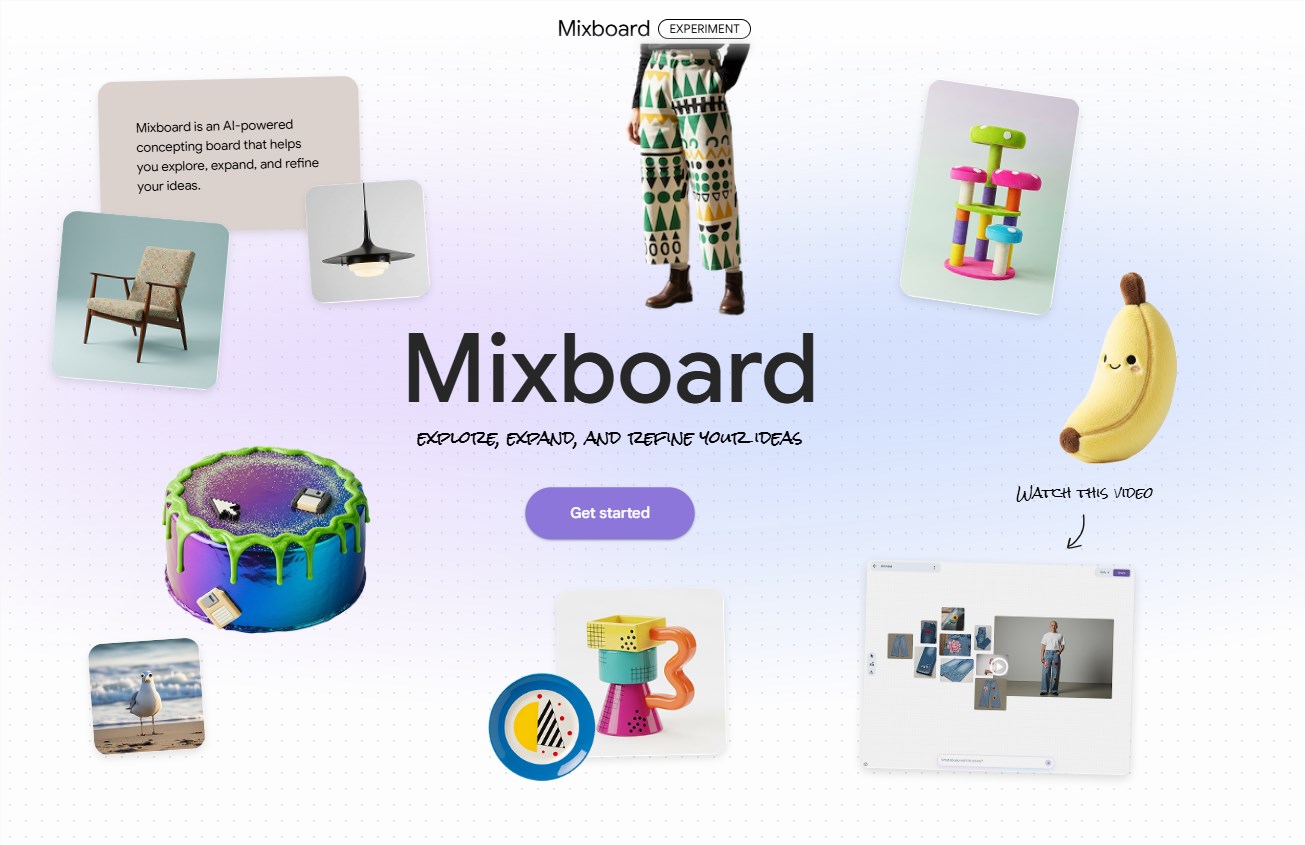
Google has introduced Mixboard, an experimental AI tool under Google Labs, designed to simplify the creation of mood boards for design inspiration. The tool supports text prompts and templates, enabling users to generate visual content effortlessly. Currently available for public testing in the U.S., Mixboard aims to enhance creativity in home decor, event planning, and more.

September 24, 2025
GoogleLabsAIDesignCreativeTools
ByteDance's Seeduplex Lets AI Listen and Talk Like Humans
News

ByteDance's Seeduplex Lets AI Listen and Talk Like Humans

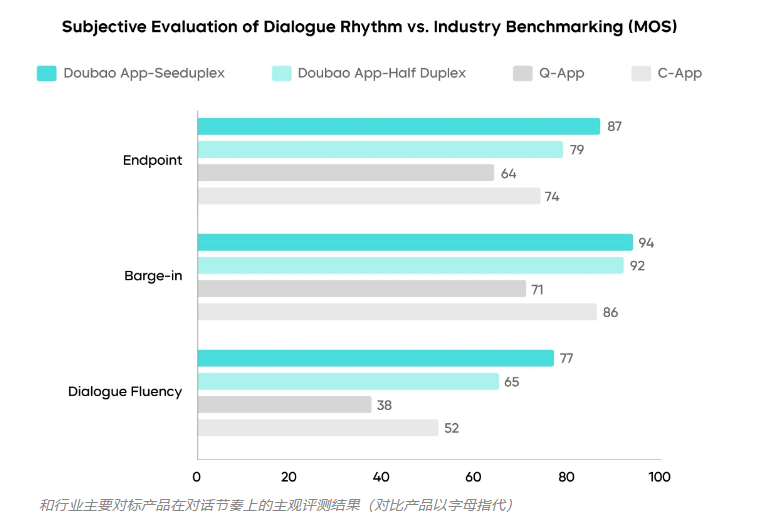
ByteDance has unveiled Seeduplex, a breakthrough voice AI that mimics human conversation by processing speech simultaneously rather than in turns. Already powering Douyin's voice features, this technology cuts response errors by half while handling noisy environments with surprising accuracy. By reducing delays and interruptions, it creates more natural dialogues - and hints at a future where AI assistants understand us through multiple senses.

April 9, 2026
Voice AIByteDanceHuman-Computer Interaction
News

Google DeepMind CEO Reveals Startup-Style Strategy to Regain AI Leadership

Google DeepMind CEO Demis Hassabis has unveiled how the company is adopting startup-like agility to reclaim its position at the forefront of AI innovation. By breaking down internal silos and pooling computing resources, DeepMind has transformed from follower to leader in just 2-3 years. Hassabis claims 90% of fundamental AI breakthroughs now come from Google-affiliated labs, with this new structure helping them better compete against rivals like OpenAI.

April 9, 2026
AI innovationGoogle DeepMindTech startups
WeChat Cracks Down on AI-Generated Content: Human Creativity Wins
News

WeChat Cracks Down on AI-Generated Content: Human Creativity Wins

WeChat's official accounts platform is taking a hard stance against AI-generated content, deleting posts that show no human touch. The new rules target fully automated articles, mass publishing through scripts, and even tutorials promoting such practices. Violators face penalties ranging from traffic restrictions to permanent bans - a clear message that WeChat values genuine human expression over machine-made content. As AI tools become ubiquitous, platforms are drawing lines to protect authentic creator voices.

April 9, 2026
WeChat policyAI content moderationDigital authenticity
News

Google's Gemini Gets Smarter with New Notebooks Feature

Google's Gemini AI assistant just leveled up with a new 'Notebooks' feature that organizes your projects and remembers context like never before. Think of it as giving your AI assistant a filing system for its brain - now it can keep track of your important documents, conversations, and instructions across all your devices. Available first for paying subscribers, this update transforms Gemini from a simple chatbot into a true project partner that actually remembers what you're working on.

April 9, 2026
Google GeminiAI productivityNotebooks feature
News

Tencent Cloud to Raise AI Service Prices by 5% This May

Tencent Cloud is hiking prices for AI computing and container services by 5% starting May 9, 2026. The increase affects core AI products and follows similar moves by Alibaba and Baidu. While existing contracts remain unchanged, renewals will reflect higher rates. The company cites rising global AI demand and hardware costs as key drivers behind the adjustments.

April 9, 2026
Tencent CloudAI PricingCloud Computing