WeChat Cracks Down on AI-Generated Content: Human Creativity Wins

WeChat Draws the Line on AI Content
Image

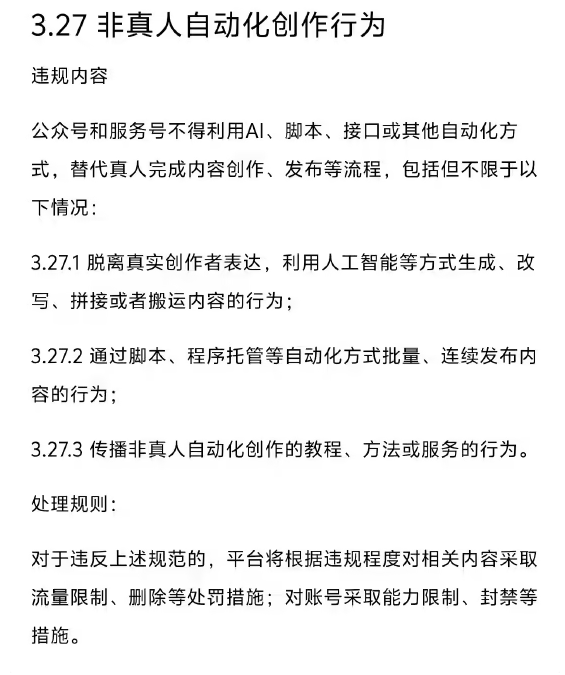
The battle for authentic content has reached China's most popular messaging platform. WeChat Official Accounts recently implemented strict new rules targeting what they call "non-human automated content creation" - essentially, articles written entirely by AI without human oversight or meaningful input.

Three Strikes Against Automation

The platform's updated guidelines establish clear boundaries:

  • No pure AI content: Articles completely generated by AI with no human expression or thought
  • No bulk publishing: Automated mass posting through scripts or APIs
  • No how-to guides: Tutorials teaching others to circumvent the rules

Even creators who claim to only use AI for formatting or technical explanations aren't safe if their content lacks genuine human perspective. "The system looks for that unmistakable robotic flatness," explains one affected publisher who wished to remain anonymous.

Penalties That Pack a Punch

WeChat isn't playing games with enforcement. First-time offenders might see their reach limited or posts quietly removed. Repeat violations? That could mean losing posting privileges entirely or even permanent account suspension.

Why the harsh measures? Platform representatives describe it as protecting WeChat's ecosystem from becoming "an ocean of soulless text." With over 1 billion monthly active users, maintaining content quality isn't just ideal - it's essential for user trust.

The Human Touch Wins

This crackdown signals a broader shift in how platforms view AI assistance versus AI replacement. Tools that help human creators? Still welcome. Tools that replace them? Not so much.

"It's like the difference between using a calculator and having a robot take your math test," says digital media professor Li Wen. "One assists human capability; the other eliminates human participation entirely."

As AI writing tools grow more sophisticated, WeChat's move may inspire similar policies across other platforms. The message is clear: in the age of artificial intelligence, authentic human creativity still carries premium value.

Key Points

  • New rules target fully automated AI content on WeChat Official Accounts
  • Three violations: Pure AI articles, bulk automated posting, and how-to guides
  • Penalties escalate from traffic limits to permanent bans
  • Enforcement already active with multiple reports of deleted content
  • Human perspective remains the platform's priority despite advancing AI capabilities

Enjoyed this article?

Subscribe to our newsletter for the latest AI news, product reviews, and project recommendations delivered to your inbox weekly.

Weekly digestFree foreverUnsubscribe anytime

Related Articles

China Targets False Info in Self-Media with AI Labeling Rules
News

China Targets False Info in Self-Media with AI Labeling Rules

China's Cyberspace Administration launches a two-month campaign to combat false information spread by self-media accounts. The initiative mandates stricter AI-generated content labeling and targets four key areas: hot topic exploitation, data fraud, improper labeling, and fake expert claims. Platforms must implement verification mechanisms and face penalties for non-compliance.

July 29, 2025
China internet regulationAI content moderationself-media
ByteDance's Seeduplex Lets AI Listen and Talk Like Humans
News

ByteDance's Seeduplex Lets AI Listen and Talk Like Humans

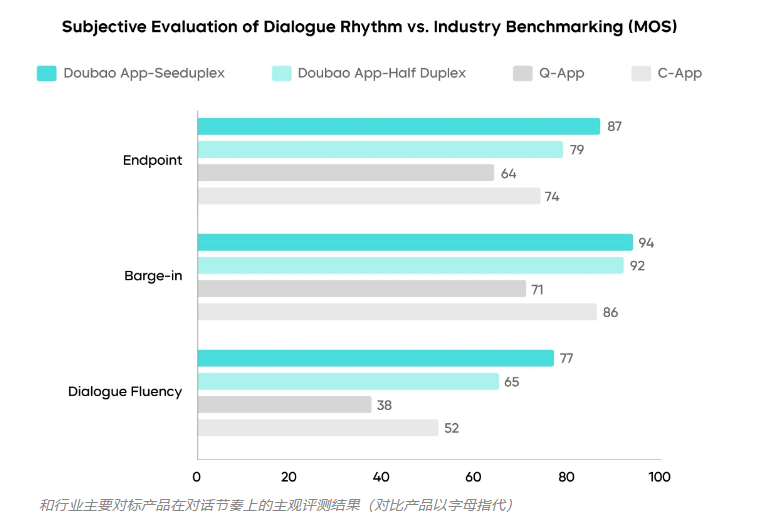
ByteDance has unveiled Seeduplex, a breakthrough voice AI that mimics human conversation by processing speech simultaneously rather than in turns. Already powering Douyin's voice features, this technology cuts response errors by half while handling noisy environments with surprising accuracy. By reducing delays and interruptions, it creates more natural dialogues - and hints at a future where AI assistants understand us through multiple senses.

April 9, 2026
Voice AIByteDanceHuman-Computer Interaction
News

Google DeepMind CEO Reveals Startup-Style Strategy to Regain AI Leadership

Google DeepMind CEO Demis Hassabis has unveiled how the company is adopting startup-like agility to reclaim its position at the forefront of AI innovation. By breaking down internal silos and pooling computing resources, DeepMind has transformed from follower to leader in just 2-3 years. Hassabis claims 90% of fundamental AI breakthroughs now come from Google-affiliated labs, with this new structure helping them better compete against rivals like OpenAI.

April 9, 2026
AI innovationGoogle DeepMindTech startups
News

Google's Gemini Gets Smarter with New Notebooks Feature

Google's Gemini AI assistant just leveled up with a new 'Notebooks' feature that organizes your projects and remembers context like never before. Think of it as giving your AI assistant a filing system for its brain - now it can keep track of your important documents, conversations, and instructions across all your devices. Available first for paying subscribers, this update transforms Gemini from a simple chatbot into a true project partner that actually remembers what you're working on.

April 9, 2026
Google GeminiAI productivityNotebooks feature
News

Tencent Cloud to Raise AI Service Prices by 5% This May

Tencent Cloud is hiking prices for AI computing and container services by 5% starting May 9, 2026. The increase affects core AI products and follows similar moves by Alibaba and Baidu. While existing contracts remain unchanged, renewals will reflect higher rates. The company cites rising global AI demand and hardware costs as key drivers behind the adjustments.

April 9, 2026
Tencent CloudAI PricingCloud Computing
Moxt Launches AI-Powered Workspace That Acts Like Your Smartest Colleague
News

Moxt Launches AI-Powered Workspace That Acts Like Your Smartest Colleague

A new AI-native workspace called Moxt is shaking up how we handle digital clutter. Think of it as hiring a team of AI colleagues who organize your files, generate reports, and clean out digital junk - all while you focus on what matters. The platform automatically archives 95% of low-value documents weekly, keeping workspaces lean and efficient. Early adopters praise its ability to create automated workflows that feel like having an extra set of hands.

April 9, 2026
AI productivitydigital organizationworkplace automation