AI-Powered Text Games Let Players Craft Their Own Virtual Worlds
The Rise of DIY AI Gaming
Move over blockbuster titles - there's a new gaming revolution happening in chat windows and text boxes. Across Chinese social platforms, a grassroots movement of AI-powered text games is gaining surprising traction. Using tools like Lingguang's full-code assistant, ordinary users are crafting surprisingly immersive virtual experiences through nothing but natural language commands.
From Cat Cafés to Convenience Stores
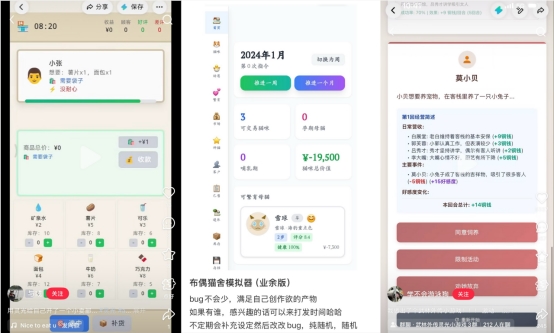
The creativity on display would put professional game studios to shame. One user designed a "Paw Cat Shelter Simulator" where players manage every aspect of feline care - from meal times to veterinary emergencies. Another built a bustling digital convenience store where virtual customers make specific requests like "a bottle of mineral water, two boxes of milk, and don't forget the chocolate!"
Nostalgia plays strong too. Fans have recreated beloved IPs like Tongfu Inn, letting players step into the shoes of classic characters while managing their own version of the legendary establishment. "It's not about fancy graphics," explains one creator. "These games let people build worlds exactly how they imagine them."
The Emotional Economy of Text
What these creations lack in visual polish, they more than make up for in personal connection. Priced between 9-30 yuan ($1-4), these micro-experiences tap into what industry watchers call the "emotional economy" - fulfilling psychological needs traditional games often overlook.
- A "PhD Simulator" lets players experience academic struggles
- Corporate ladder climbers can test management skills in "Internet Giant Company"
- Post-apocalyptic survival scenarios offer cathartic stress relief
"When young people crave control or nostalgia," observes digital culture analyst Li Wei, "these text games provide affordable wish fulfillment. They're not replacing AAA titles - they're serving emotional needs big studios ignore."
The Future of AI Playgrounds
Industry professionals see this as just the beginning. As multimodal AI evolves, today's text adventures could blossom into rich multimedia experiences. But for now, the beauty lies in their simplicity - proving sometimes the most powerful connections come not from cutting-edge graphics, but from shared imagination.
Key Points:
- Low-barrier creativity: Anyone can design detailed simulations using natural language AI assistants
- Emotional resonance: Simple text interfaces enable surprisingly deep personal connections
- Micro-entrepreneurship: Creators monetize niche experiences mainstream games overlook
- Evolution potential: Future integration of images/video could expand possibilities while retaining core appeal