AI Drama Pulled After Using Faces Without Permission

AI-Generated Drama Sparks Controversy Over Face Theft

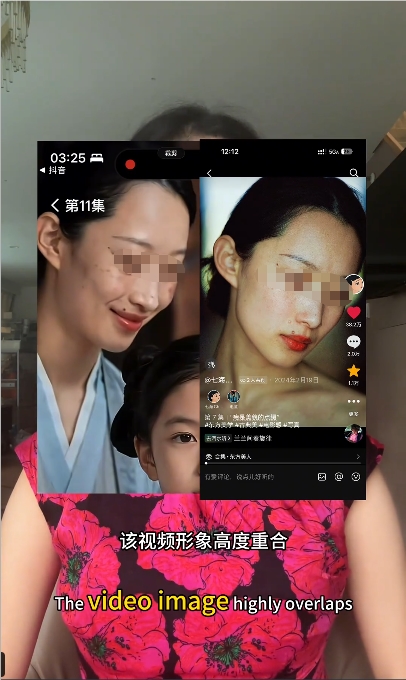
Hongguo Short Drama made waves this week by removing the AI-produced series The Peach Hairpin from its platform. The decision came after multiple bloggers complained their facial images were used without permission - some even finding their likenesses caricatured in the production.

How the Scandal Unfolded

The controversy began on March 31 when social media buzzed with accusations of "face stealing" by AI short dramas. Prominent victims included Hanfu blogger Bai Cai and model Qihai, who recognized their distinctive features replicated with unsettling accuracy in the show.

"It was like looking in a distorted mirror," Qihai told reporters. "My eye shape, my lip contour - all there but twisted into someone else's story."

The platform gave producers 72 hours to prove they had legal rights to use the images. When they failed to provide documentation, Hongguo took swift action - not just removing the content but suspending the company's upload privileges for two weeks.

Why This Case Matters

Legal experts point out this situation reveals critical questions about generative AI in entertainment:

  • Identifiability trumps technology: Even if images are "AI-generated," recognizable likenesses can still constitute infringement
  • Burden of proof shifts: Production companies must now document their digital sources more carefully
  • Platforms are watching: Major distributors are tightening AI content reviews to avoid liability

"This isn't about stifling creativity," explains media law professor Zhang Wei. "It's about respecting that human identity isn't raw material for algorithms to remix without consent."

The Bigger Picture for AI Content

As micro-dramas embrace AI for cost savings, this incident exposes hidden risks:

  1. Material tracing difficulties: AI-generated assets complicate copyright verification
  2. Stealth infringement: Some misuse may only surface when victims recognize themselves
  3. Reputation risks: Platforms face backlash for hosting questionable content

The industry now grapples with balancing AI's efficiency against ethical and legal boundaries. While technology enables stunning visual effects at lower costs, cases like The Peach Hairpin remind us that human rights shouldn't become collateral damage in the race for digital innovation.

Key Points:

  • Hongguo Short Drama removed an AI-generated series over unauthorized face usage
  • Production company suspended for 15 days after failing to prove image rights
  • Case highlights growing tension between generative AI and personal identity rights
  • Platforms increasing scrutiny of AI-assisted content submissions
Enjoyed this article?

Subscribe to our newsletter for the latest AI news, product reviews, and project recommendations delivered to your inbox weekly.

Weekly digestFree foreverUnsubscribe anytime

Related Articles

Model's Face Stolen by AI in Controversial Drama
News

Model's Face Stolen by AI in Controversial Drama

Fashion model Qihai Christ is fighting back after discovering her likeness was digitally inserted into a villain role in the popular short drama 'Peach Hairpin' without her consent. The unauthorized AI face-swapping has damaged her professional reputation and sparked legal action. This case highlights growing concerns about the ethical use of deepfake technology in entertainment.

April 2, 2026
AI ethicsdigital rightsentertainment law
China's Broadcast Industry Cracks Down on AI-Generated Celebrity Impersonations
News

China's Broadcast Industry Cracks Down on AI-Generated Celebrity Impersonations

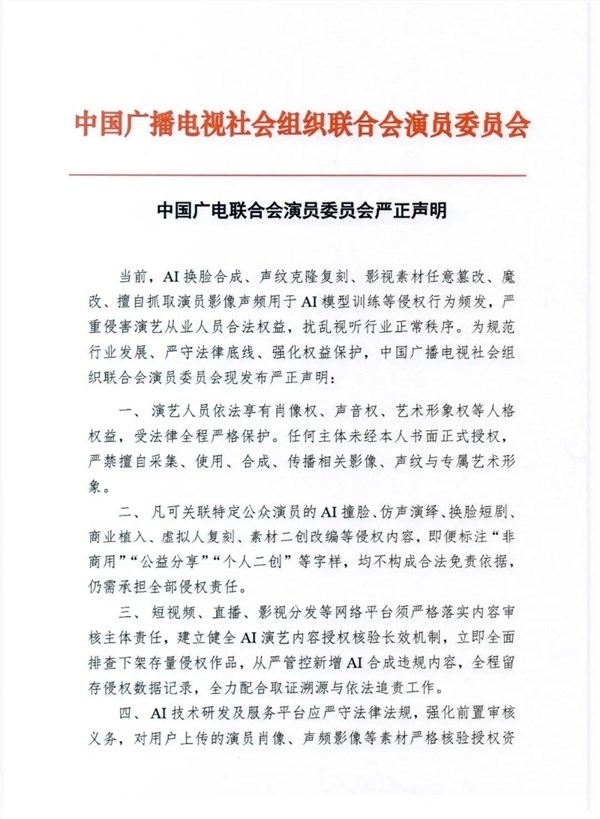
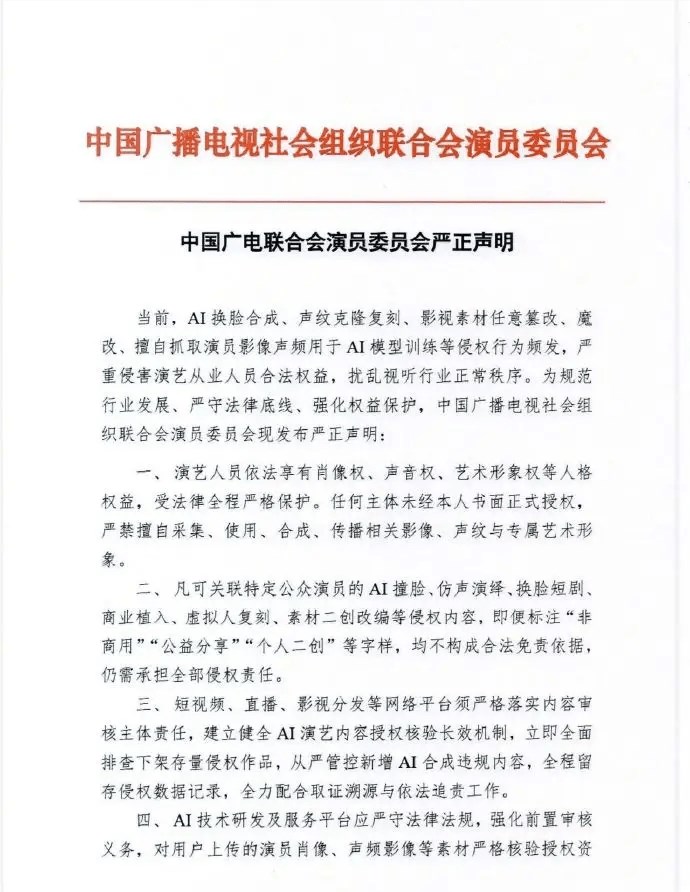
China's entertainment industry is taking a stand against unauthorized AI impersonations of actors. The China Radio and Television Association has issued strict new rules banning face-swapping and voice cloning without explicit permission. Platforms must now verify content authenticity, while the association pledges to monitor and remove infringing material. This move highlights growing concerns about digital identity protection in the age of advanced AI technologies.

April 3, 2026
AI regulationdigital rightsentertainment industry
News

WeChat Cracks Down on AI-Altered Videos, Removes 3,800 Clips

WeChat has intensified its crackdown on AI-modified videos that distort classic works and historical figures. The platform removed 3,800 violating clips and banned one account after finding content that twisted TV dramas, animated characters, and historical narratives. This move follows national guidelines to protect minors and maintain online order. WeChat urges creators to exercise self-discipline as it enhances its content moderation capabilities.

April 2, 2026
content moderationAI ethicsdigital safety
China's Entertainment Industry Cracks Down on Unauthorized AI Manipulation of Performers
News

China's Entertainment Industry Cracks Down on Unauthorized AI Manipulation of Performers

China's entertainment industry is taking a stand against the growing misuse of AI technology. The Actors Committee has issued a firm statement banning unauthorized face-swapping, voice cloning, and other digital manipulations of performers' likenesses. This comes as voice actors and celebrities increasingly find their digital identities being hijacked by cheap AI tools. The new guidelines clarify legal responsibilities and require platforms to implement better content verification systems.

April 2, 2026
AI regulationentertainment industrydigital rights
News

Zhou Shen Takes a Stand: New Song Blocks AI Voice Cloning

Chinese singer Zhou Shen has made waves by embedding a bold copyright notice in his latest release 'Moon Chronicle.' The track explicitly prohibits AI training and voice cloning, setting a new precedent for artist rights in the digital age. This move comes as musicians worldwide grapple with the ethical dilemmas posed by AI-generated music. Industry experts see this as a landmark case that could shape future copyright standards for human-AI collaboration in creative fields.

April 2, 2026
AI ethicsmusic copyrightvoice cloning
News

AI Drama Faces Backlash Over Alleged Face Theft from Public Photos

A Red Fruit short drama is under fire for allegedly using AI to steal ordinary people's faces without consent. The controversy erupted when a social media user recognized their photo being used in the production. Industry experts warn this highlights growing legal gray areas as AI technology outpaces regulation, with many celebrities also falling victim to unauthorized face-swapping videos.

March 31, 2026
AI ethicsDigital rightsEntertainment law