Xiaomi's 'Lobster' AI Agent Emerges with Strong Privacy Promise

Xiaomi Tests Waters with Privacy-Focused AI Assistant

Chinese tech giant Xiaomi has begun closed testing of its experimental AI assistant, internally known as "Lobster," marking the company's latest foray into artificial intelligence for smartphones. What sets this project apart? A bold privacy promise that could reshape how users view AI assistants.

Meet Lobster: More Than Just Another Chatbot

The oddly-named Lobster isn't your typical voice assistant. Xiaomi describes it as a "mobile AI Agent" designed to fundamentally change human-device interaction through four key pillars:

  • System-level intelligence that goes beyond basic commands
  • Personal context awareness that understands your habits
  • Ecosystem connectivity across Xiaomi's product universe
  • Continuous self-improvement capabilities

Image

Currently available only to select tech enthusiasts with Xiaomi 17 series devices, Lobster represents what happens when smartphone makers stop simply adding AI features and start building truly intelligent systems from the ground up.

The Privacy Promise You've Been Waiting For?

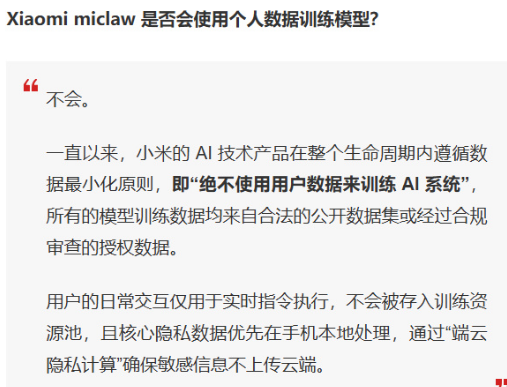
In an era where data privacy concerns dominate tech discussions, Xiaomi makes an unusually clear commitment: "We will never use user data to train our AI system."

The company outlines multiple safeguards:

  1. Training relies exclusively on legally published datasets or properly authorized data.
  2. Your real-time commands disappear after execution—they never enter any training pool.
  3. Sensitive processing happens locally on your device using "end-cloud privacy computing" technology.
  4. Both physical and algorithmic barriers prevent unauthorized cloud uploads of private information.
Image

Growing Pains Expected

The Lobster project remains firmly in experimental territory. Xiaomi openly acknowledges current limitations:

  • Battery drain needs optimization
  • Complex scenario handling requires refinement
  • System stability isn't yet perfect

The road ahead looks challenging but promising—if Xiaomi can deliver on both functionality and its privacy commitments, Lobster could set a new standard for trustworthy mobile AI assistants.

Key Points:

  • Limited rollout: Currently invitation-only for Xiaomi 17 users
  • Privacy first: No user data used for training—a rare guarantee
  • Local processing: Sensitive operations stay on-device
  • Work in progress: Performance improvements needed before wide release
Enjoyed this article?

Subscribe to our newsletter for the latest AI news, product reviews, and project recommendations delivered to your inbox weekly.

Weekly digestFree foreverUnsubscribe anytime

Related Articles

Tencent's QClaw AI Assistant Now Offering Beta Invites
News

Tencent's QClaw AI Assistant Now Offering Beta Invites

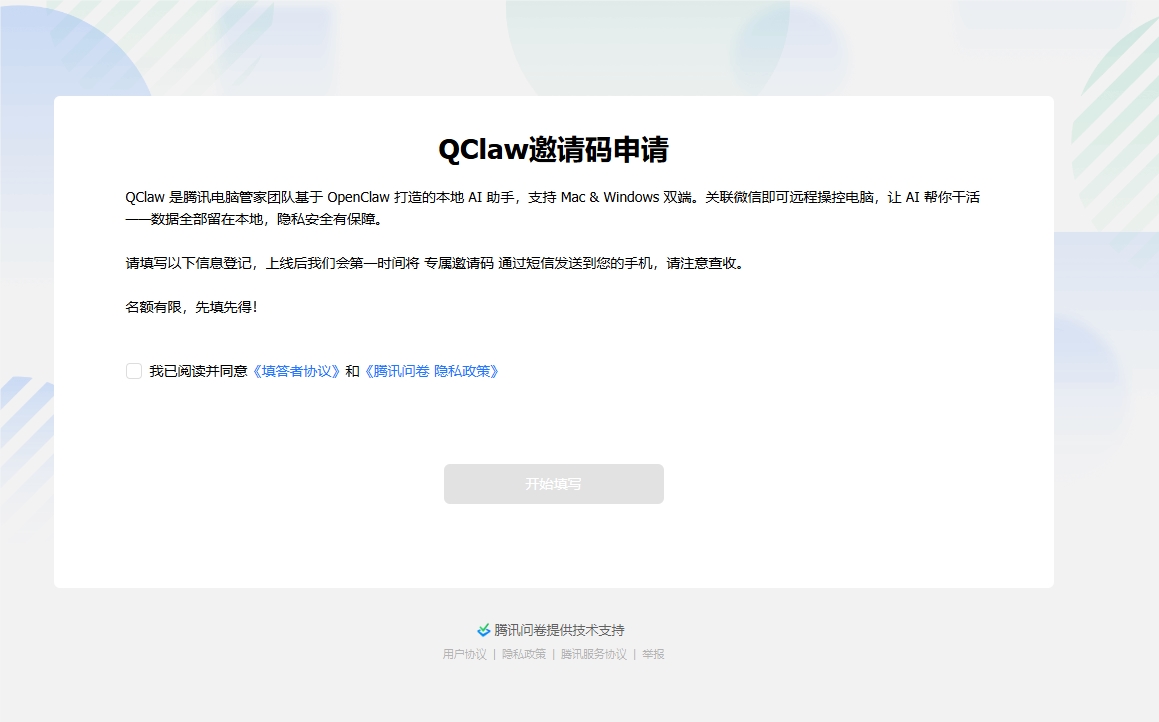
Tencent Computer Manager has unveiled QClaw, a privacy-focused local AI assistant currently in beta testing. Unlike cloud-based alternatives, QClaw processes all data on your device while offering cross-platform support and WeChat integration. Limited invitation codes are available through Tencent's official questionnaire.

March 9, 2026
QClawTencentAI Assistant
News

Apple's AI Ambitions Hit Hardware Wall: Could Google Save Siri?

Apple's privacy-first approach to AI is hitting unexpected roadblocks. Reports suggest their custom server chips struggle to power Gemini-enhanced Siri features, forcing tough choices between privacy ideals and performance. With warehouses full of underutilized servers and slow software updates, Apple may turn to an unlikely ally - Google's cloud infrastructure - while racing to develop next-gen AI chips.

March 3, 2026
Apple AIPrivacy TechCloud Computing
News

Microsoft's Copilot Tasks Takes Over Your To-Do List

Microsoft has unveiled Copilot Tasks, a cloud-based AI assistant that handles routine work so you don't have to. Running independently in the cloud, it can organize emails into presentations, manage subscriptions, even hunt for apartments - all while your computer stays free for other work. The system asks permission before sensitive actions like payments, blending automation with peace of mind.

February 27, 2026
MicrosoftAI AssistantProductivity Tools
News

Google Chrome Gets Smarter: Your Browser Just Became an AI Assistant

Google is transforming Chrome from a simple web browser into a powerful AI assistant. The latest update introduces Gemini-powered features right in your sidebar - think real-time shopping comparisons, email summaries, and even trip planning without switching tabs. While these upgrades promise to streamline our digital lives, experts caution about privacy concerns as AI takes on more personal tasks.

February 10, 2026
Google ChromeAI AssistantBrowser Technology
Apple's Privacy Promise Stands Firm Despite Google AI Partnership
News

Apple's Privacy Promise Stands Firm Despite Google AI Partnership

Apple CEO Tim Cook reassured users that privacy remains paramount despite collaborating with Google on AI. While leveraging Google's Gemini model for training, Apple insists its core 'device-side + private cloud' architecture stays unchanged. The upcoming iOS26.4 update promises a smarter, more personalized Siri with enhanced privacy features. However, challenges loom as Apple faces potential supply chain constraints for its private cloud servers.

January 30, 2026
Apple IntelligencePrivacy TechAI Partnerships
News

Xiaomi's Smart Glasses Now Let You Pay Parking Fees Just by Looking

Xiaomi and Alipay have teamed up to bring hands-free parking payments to smart glasses. Drivers can now settle parking fees with just a voice command or glance, thanks to new AI integration. The partnership also expands health features, turning Xiaomi's glasses into versatile daily assistants.

January 28, 2026
wearable techcontactless paymentssmart cities