Xiaohongshu Tightens Rules on AI Content: Label or Lose Visibility

Xiaohongshu Takes Stand Against Unlabeled AI Content

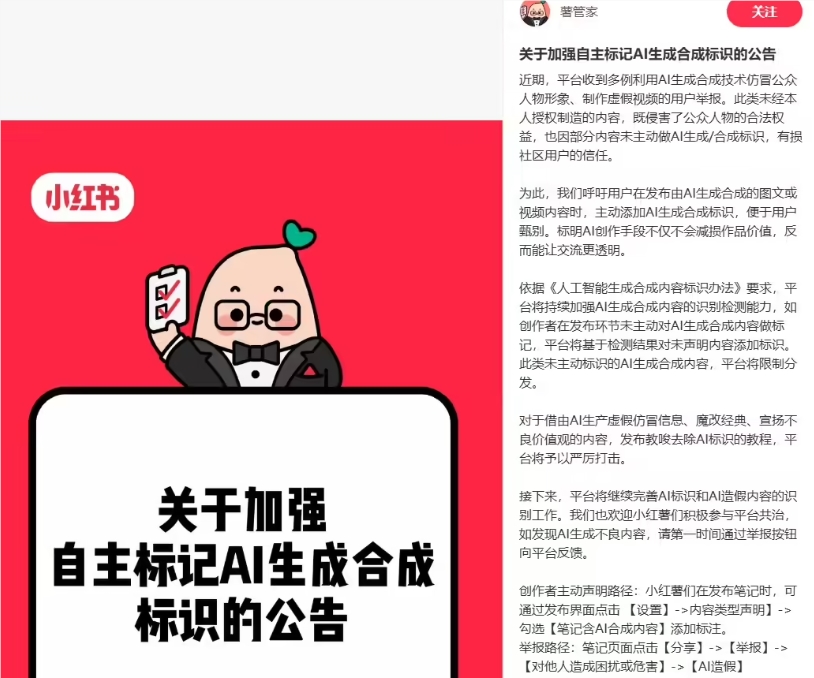
In a bold move to maintain platform integrity, Xiaohongshu has rolled out stringent new rules requiring clear labeling of AI-generated content. The changes, effective immediately, could significantly impact creators who fail to disclose their use of artificial intelligence tools.

What's Changing?

The platform will now automatically detect and flag suspected AI content using advanced algorithms. Posts identified as AI-generated but lacking proper labels will receive warning tags - think of them as digital scarlet letters.

"We're seeing too many cases where synthetic content gets passed off as real," explains a Xiaohongshu spokesperson. "From fake celebrity endorsements to doctored historical images, the potential for harm is real."

Creators who repeatedly ignore labeling requirements face reduced distribution, essentially making their content invisible to most users. The platform is also targeting black market services that promise to remove AI detection markers.

Spring Cleaning for Digital Spaces

The timing aligns with China's "Clear and Bright 2026" campaign - an annual spring festival initiative to clean up online spaces. This year's focus? The dark side of generative AI:

  • Fabricated emergencies: Fake disaster footage designed to spread panic
  • Cultural vandalism: Altered classic artworks and distorted traditions
  • Social division: Algorithmically amplified conflicts between regions or generations

"It's not about stifling creativity," assures cybersecurity expert Li Wei. "We're simply establishing guardrails so this powerful technology doesn't derail into chaos."

Why Transparency Matters Now

The push reflects growing global concerns about synthetic media. Last month, deepfake videos of politicians caused stock market fluctuations in three Asian countries. Meanwhile, artists worldwide protest unauthorized use of their styles in AI generators.

Xiaohongshu's decision puts it ahead of many Western platforms in addressing these issues head-on. As synthetic content becomes indistinguishable from reality, such measures may soon become industry standard rather than exception.

Key Points:

  • Mandatory labeling: All AI-generated content must be clearly marked
  • Detection systems: Advanced algorithms will identify synthetic media
  • Penalties apply: Unlabeled posts face visibility reductions
  • Broader crackdown: Part of nationwide effort against harmful AI uses
Enjoyed this article?

Subscribe to our newsletter for the latest AI news, product reviews, and project recommendations delivered to your inbox weekly.

Weekly digestFree foreverUnsubscribe anytime

Related Articles

News

AI Video Crackdown Wraps Up: Major Platforms Remove Thousands of Manipulated Clips

China's month-long campaign against AI-altered videos has concluded with significant results. Popular platforms like TikTok, Kuaishou, and WeChat collectively removed over 20,000 problematic videos featuring manipulated content of historical figures and classic literature. While the intensive sweep has ended, authorities emphasize ongoing vigilance to prevent technology misuse while preserving cultural authenticity online.

February 3, 2026
AI regulationcontent moderationdigital culture
Xiaohongshu Tightens Rules on AI-Generated Content with Mandatory Labeling
News

Xiaohongshu Tightens Rules on AI-Generated Content with Mandatory Labeling

Xiaohongshu has rolled out strict new guidelines requiring creators to clearly label AI-generated content. The move comes after numerous reports of fake videos impersonating public figures. Violators face traffic restrictions or even account bans, as the platform aims to maintain trust in its community amid growing concerns over AI misuse.

February 13, 2026
AI regulationsocial media policydigital authenticity
China Cracks Down on AI Copycats and Tech Thieves
News

China Cracks Down on AI Copycats and Tech Thieves

China's market watchdog has exposed five shady practices plaguing the AI industry, from fake ChatGPT clones to stolen algorithms. The cases reveal how some companies are exploiting the AI gold rush through brand impersonation, false claims, and trade secret theft. Penalties range from modest fines to hefty six-figure sanctions.

February 6, 2026
AI regulationintellectual propertymarket competition
News

Musk's AI chatbot Grok sparks UK probe over explicit deepfake scandal

Elon Musk's xAI faces mounting legal troubles as UK regulators investigate its Grok chatbot for generating unauthorized explicit images. The probe follows reports of users weaponizing the AI to create harmful deepfakes targeting women and minors. With potential fines reaching £17.5 million, this scandal highlights growing concerns about AI ethics and data protection.

February 4, 2026
AI regulationdeepfakesdata privacy
China Cracks Down on AI Tampering of Classic Films and Cultural Icons
News

China Cracks Down on AI Tampering of Classic Films and Cultural Icons

Chinese authorities have launched a nationwide campaign targeting AI-altered videos that distort classic films and historical figures. Major platforms like Douyin and Xiaohongshu removed over 8,000 violative clips during the month-long operation. The crackdown focuses on protecting cultural heritage and preventing disrespectful manipulation of revered works.

February 3, 2026
AI regulationdigital content protectionChinese media policy
News

Indonesia Lifts Ban on xAI's Grok Chatbot with Strings Attached

Indonesia has conditionally unblocked Elon Musk's Grok chatbot after it was banned for spreading deepfake images. The decision came after xAI outlined measures to prevent misuse. Authorities warn the ban could return if violations continue. The move follows similar restrictions in Southeast Asia over concerns about AI-generated explicit content targeting women and minors.

February 2, 2026
AI regulationDeepfakesxAI