
Warren Sounds Alarm: AI Boom Could Spark Next Financial Meltdown

Warren Warns of AI Bubble Threatening Financial Stability

At a Washington policy forum this week, Senator Elizabeth Warren delivered a sobering message: the artificial intelligence gold rush could end in economic disaster. Drawing parallels to the 2008 financial crisis, the Massachusetts Democrat cautioned that unchecked AI growth threatens to destabilize markets.

The Debt Trap of AI Development

"We're seeing warning signs that should make everyone nervous," Warren told attendees. She pointed to troubling patterns where AI companies are "living on borrowed time and borrowed money" - taking on massive debt while burning through cash faster than they can generate revenue.

The senator revealed that many firms now rely on shadowy private credit funds after traditional lenders grew wary. "These financing vehicles operate in regulatory gray areas," she explained. "When you combine high leverage with opaque accounting, you get the perfect recipe for trouble."

Domino Effect Fears

Warren painted a vivid picture of interconnected risk: "Imagine each heavily indebted AI company as a mountain climber roped together. If one slips, they all go down." She warned that widespread defaults could trigger panic selling across tech markets.

The comparison hits close to home for many Americans who remember the housing collapse. Like subprime mortgages before them, some AI ventures appear fundamentally unsound yet attract staggering investments based on hype rather than performance.

Call for New Oversight

The senator proposed establishing a Digital Regulatory Agency with authority over antitrust, privacy and consumer protection in tech sectors. "We can't keep applying 20th century rules to 21st century problems," she argued.

In a pointed message to Wall Street, Warren vowed to oppose any taxpayer-funded bailouts for struggling AI firms. "The market needs to understand there won't be a safety net this time," she stated firmly.

The warning comes amid unprecedented investment in generative AI tools like ChatGPT. Venture capital funding for AI startups surged past $50 billion last year alone, with some valuations approaching dot-com bubble levels.

Industry Reaction Mixed

While some attendees nodded in agreement during Warren's speech, others pushed back quietly. One venture capitalist later told reporters: "This is classic fearmongering about innovation we don't yet understand."

Yet even skeptics acknowledge certain parallels between today's AI frenzy and past tech bubbles. The key difference? Today's stakes involve not just investor portfolios but potentially the entire financial system.

Key Points:

  • Debt-fueled growth: Many AI firms operate with unsustainable financial models
  • Shadow financing: Risky private credit fills gaps left by cautious banks
  • Systemic risk: Interconnected tech sector could amplify any collapse
  • Regulatory gap: Current oversight inadequate for fast-moving AI industry
  • No bailouts: Warren promises tough stance against taxpayer rescues
Enjoyed this article?

Subscribe to our newsletter for the latest AI news, product reviews, and project recommendations delivered to your inbox weekly.

Weekly digestFree foreverUnsubscribe anytime

Related Articles

News

Hangzhou Court Tackles Landmark AI Traffic Hijacking Case

A legal battle over alleged AI-powered traffic hijacking has unfolded in Hangzhou, marking China's first such case. The dispute centers on whether an input method's feature that redirects users from a rival AI app constitutes unfair competition or legitimate innovation. With 100 million yuan in damages at stake, the court's decision could set important precedents for the fast-evolving AI industry.

April 23, 2026
AI regulationunfair competitiontech law
News

TikTok tightens rules on AI-generated content for local services

TikTok's life services platform has introduced strict new guidelines governing AI-generated content, banning unauthorized use of people's likenesses and requiring clear disclosure of synthetic media. The rules aim to protect consumer rights while curbing misleading marketing practices in the fast-growing local services sector.

April 22, 2026
TikTokAI regulationsynthetic media
News

TikTok Cracks Down on AI-Generated Shopping Videos

TikTok's Life Services platform has introduced strict new rules banning AI-generated content in group buying and e-commerce videos. The guidelines require clear labeling of AI-created material and prohibit unauthorized use of others' images or voices. Most notably, videos for services like dining, beauty treatments, and home repairs must now show real experiences - no more digitally fabricated scenes or exaggerated results. These changes aim to protect consumers from misleading content while maintaining transparency in the growing world of AI-assisted marketing.

April 22, 2026
TikTok policyAI regulatione-commerce transparency
News

TikTok Cracks Down on AI-Generated Content: New Rules Protect Creators' Rights

TikTok has introduced strict new guidelines for AI-generated content, requiring creators to disclose when they use synthetic media and obtain proper authorization for using others' likenesses or works. The platform aims to protect personality rights and prevent misleading marketing by banning unauthorized use of voices, images, or copyrighted material in AI creations. These measures also target deceptive product promotions, ensuring what you see matches what you get.

April 22, 2026
AI regulationcontent creationdigital rights
News

TikTok tightens rules on AI content: No more fake faces or voices without permission

TikTok's life services platform has rolled out strict new guidelines for AI-generated content, putting creators on notice about unauthorized face-swapping and voice imitation. The rules require clear labeling of AI content and crack down on misleading marketing tactics. With these changes, TikTok aims to protect user rights while keeping its platform authentic and trustworthy.

April 22, 2026
AI regulationTikTok policydigital rights
Claude's ID Check Sparks User Backlash: Privacy Fears and Account Bans
News

Claude's ID Check Sparks User Backlash: Privacy Fears and Account Bans

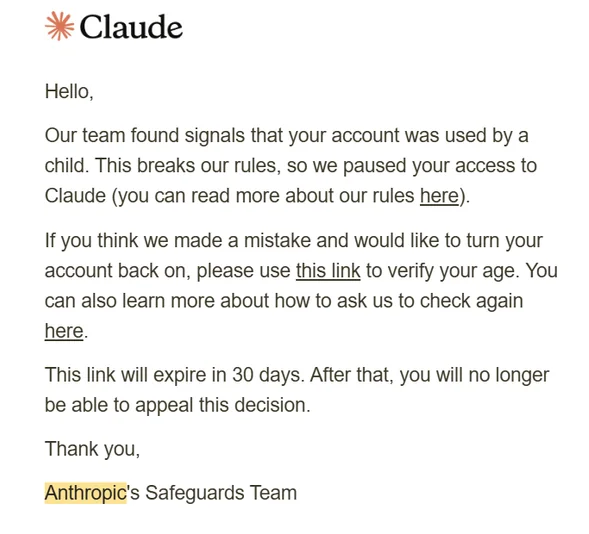
Anthropic's new mandatory ID verification for Claude AI has users up in arms. The process requires holding physical IDs for photos, with data handled by third-party Persona. But many see it as a prelude to account suspensions - like one teen developer who lost access despite paying for services. With privacy concerns over data sharing and strict age limits, Claude's security measures are creating as many problems as they solve.

April 17, 2026
AI regulationdigital privacyage verification