
TikTok tightens rules on AI-generated content for local services

TikTok cracks down on AI misuse in local services content

TikTok's life services division rolled out comprehensive new rules this week to regulate how creators can use artificial intelligence tools, marking one of the platform's most significant moves to address growing concerns about synthetic media.

Protecting personal rights in the AI era

The guidelines specifically prohibit creators from using AI to manipulate people's images or voices without explicit permission. This includes face-swapping, voice cloning, or adapting others' creative works through generative AI.

"We're seeing more cases where someone's likeness gets appropriated without consent," explains digital rights attorney Mark Chen. "These rules create clear boundaries before these technologies become even more widespread."

Transparency requirements for synthetic content

Every piece of AI-generated or altered content must now carry clear disclosure labels. The platform wants users to instantly recognize when they're viewing synthetic media rather than authentic footage.

This push for transparency extends to marketing materials too. Businesses can't use AI to exaggerate product features or fabricate store details that don't match reality. Those viral burger ads showing impossibly juicy patties? They'll need to reflect what customers actually receive.

Cleaning up the content ecosystem

The guidelines also target questionable practices like using AI to manufacture viral trends or generate sensational but irrelevant content purely for clicks. TikTok says it will actively remove such material to maintain quality standards.

Industry analysts see this as part of a broader shift toward responsible AI adoption. "Platforms are realizing they need guardrails before synthetic content becomes indistinguishable from reality," notes tech analyst Lisa Wong.

Key points:

  • No unauthorized use of individuals' likenesses via AI tools
  • Mandatory labeling for all synthetic or altered content
  • Stricter truth-in-advertising rules for local businesses
  • Crackdown on artificial virality and sensationalized AI content
Enjoyed this article?

Subscribe to our newsletter for the latest AI news, product reviews, and project recommendations delivered to your inbox weekly.

Weekly digestFree foreverUnsubscribe anytime

Related Articles

News

TikTok Cracks Down on AI-Generated Shopping Videos

TikTok's Life Services platform has introduced strict new rules banning AI-generated content in group buying and e-commerce videos. The guidelines require clear labeling of AI-created material and prohibit unauthorized use of others' images or voices. Most notably, videos for services like dining, beauty treatments, and home repairs must now show real experiences - no more digitally fabricated scenes or exaggerated results. These changes aim to protect consumers from misleading content while maintaining transparency in the growing world of AI-assisted marketing.

April 22, 2026
TikTok policyAI regulatione-commerce transparency
News

TikTok Cracks Down on AI-Generated Content: New Rules Protect Creators' Rights

TikTok has introduced strict new guidelines for AI-generated content, requiring creators to disclose when they use synthetic media and obtain proper authorization for using others' likenesses or works. The platform aims to protect personality rights and prevent misleading marketing by banning unauthorized use of voices, images, or copyrighted material in AI creations. These measures also target deceptive product promotions, ensuring what you see matches what you get.

April 22, 2026
AI regulationcontent creationdigital rights
News

TikTok tightens rules on AI content: No more fake faces or voices without permission

TikTok's life services platform has rolled out strict new guidelines for AI-generated content, putting creators on notice about unauthorized face-swapping and voice imitation. The rules require clear labeling of AI content and crack down on misleading marketing tactics. With these changes, TikTok aims to protect user rights while keeping its platform authentic and trustworthy.

April 22, 2026
AI regulationTikTok policydigital rights
News

Yelp's AI Makeover: Your New Digital Concierge Just Got Smarter

Yelp's spring update transforms its platform into an AI-powered lifestyle assistant. The upgraded system now handles everything from food delivery to doctor appointments, blending conversational AI with practical services. By integrating DoorDash, Zocdoc and other platforms, Yelp aims to keep users within its ecosystem for complete local service experiences. The move signals a broader industry shift toward actionable AI assistants that don't just answer questions - they get things done.

April 22, 2026
AI assistantslocal servicesplatform integration
Claude's ID Check Sparks User Backlash: Privacy Fears and Account Bans
News

Claude's ID Check Sparks User Backlash: Privacy Fears and Account Bans

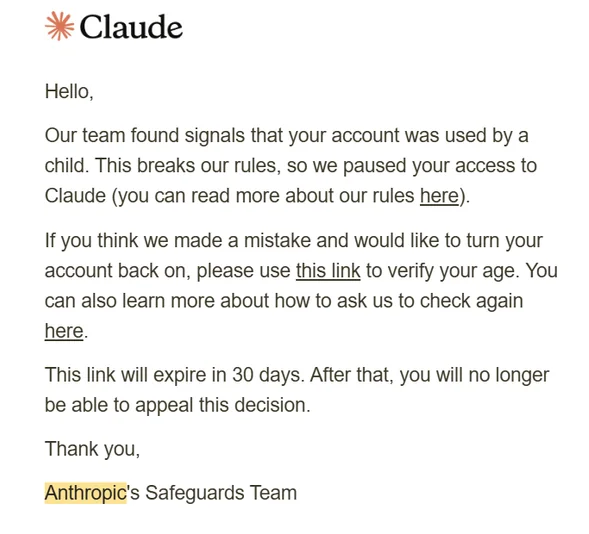
Anthropic's new mandatory ID verification for Claude AI has users up in arms. The process requires holding physical IDs for photos, with data handled by third-party Persona. But many see it as a prelude to account suspensions - like one teen developer who lost access despite paying for services. With privacy concerns over data sharing and strict age limits, Claude's security measures are creating as many problems as they solve.

April 17, 2026
AI regulationdigital privacyage verification
News

Claude's New ID Check: What It Means for AI Users

Anthropic has introduced identity verification for certain Claude features, requiring users to submit government IDs and real-time selfies. The company partnered with Persona Identities for the process, promising data won't be used for training or marketing. While aimed at responsible AI use, the move has sparked debate about privacy and accessibility in the AI community.

April 15, 2026
AI regulationdigital identityAnthropic