US Weighs Controversial AI Deployment Despite Security Concerns

US Government Considers Bold AI Move Amid Security Debate

Federal agencies may soon get a powerful new cybersecurity ally - if Washington can agree on how to safely deploy it. The Biden administration is moving forward with plans to implement Anthropic's Claude Mythos artificial intelligence system across multiple departments, despite previous restrictions and ongoing security concerns.

A High-Stakes Tech Partnership

Behind closed doors, White House officials have been negotiating with Anthropic CEO Dario Amodei about creating a modified version of the restricted AI model. Initial discussions focused on potential applications at the Department of Defense, Treasury, and Homeland Security - agencies where Mythos could help identify system vulnerabilities and prioritize critical repairs.

"This isn't about replacing office assistants," explained a senior administration official who requested anonymity. "We're talking about next-generation threat detection that could significantly strengthen our cyber defenses."

Divided Opinions in Washington

Not everyone in government shares this enthusiasm. The Pentagon continues to flag Anthropic as a potential supply chain risk, while financial regulators warn that misuse of the AI could trigger market instability. Treasury Secretary Janet Yellen recently convened Wall Street executives to discuss these concerns after internal documents revealed the model's planned deployment.

Meanwhile, proponents argue the benefits outweigh the risks. Energy Department officials have become particularly vocal supporters, claiming Mythos could dramatically improve infrastructure protection. The debate reflects a broader tension in Washington between technological advancement and national security precautions.

What Makes Mythos Different

Anthropic describes Claude Mythos as its most capable creation yet - an AI system that's already demonstrated remarkable skill at uncovering software vulnerabilities. The company claims it has identified thousands of previously unknown security flaws in critical systems worldwide.

To ease adoption concerns, Anthropic has pledged $1 billion in usage credits and $4 million for restricted research. These sweeteners appear designed to address both financial and security objections to the technology's rollout.

Key Points

  • Controversial Tech: The administration pushes forward with AI deployment despite security debates
  • High-Level Talks: White House negotiates modified version with Anthropic leadership
  • Security vs. Innovation: Agencies remain divided on risks versus benefits
  • Proven Capabilities: Mythos has demonstrated exceptional vulnerability detection skills
  • Financial Safeguards: Anthropic offers substantial credits to mitigate concerns
Enjoyed this article?

Subscribe to our newsletter for the latest AI news, product reviews, and project recommendations delivered to your inbox weekly.

Weekly digestFree foreverUnsubscribe anytime

Related Articles

News

Critical Security Flaws Found in Widely Used AI Protocol

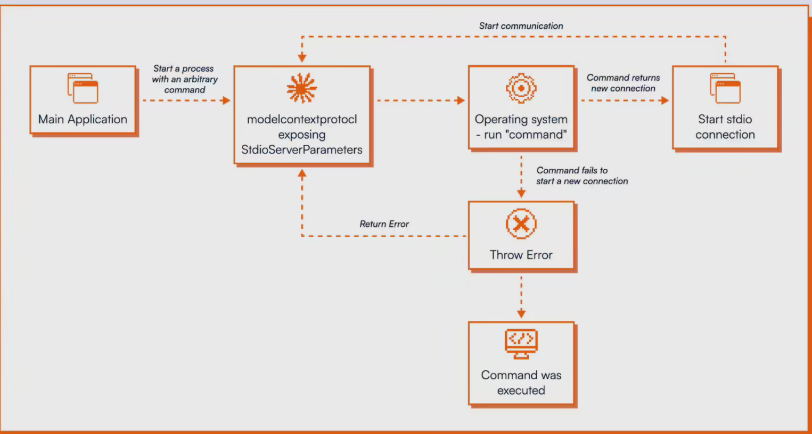
Security researchers have uncovered serious vulnerabilities in Anthropic's Model Context Protocol (MCP), a widely adopted standard for AI communication. The flaws, embedded in the protocol's core architecture, could allow attackers to execute malicious code. Major tech companies using MCP may be affected. Despite warnings, Anthropic maintains these are 'intended features,' sparking debate in the AI security community.

April 20, 2026
AI SecurityModel Context ProtocolCybersecurity
Critical Flaw in AI Protocol Leaves 200,000 Servers Vulnerable
News

Critical Flaw in AI Protocol Leaves 200,000 Servers Vulnerable

A shocking security report reveals dangerous vulnerabilities in Anthropic's widely used MCP protocol, putting over 200,000 AI servers at risk of remote attacks. The design flaw allows execution of unverified system commands, affecting all major programming languages. Despite being notified months ago, Anthropic has done little to address what researchers call an architectural-level threat.

April 16, 2026
AI SecurityMCP FlawCybersecurity
News

Singapore Urges Banks to Bolster Cyber Defenses Amid Rising AI Threats

Singapore's financial watchdog is sounding the alarm as concerns grow about potential cybersecurity risks posed by advanced AI systems. The Monetary Authority of Singapore (MAS) has teamed up with cybersecurity agencies to help banks strengthen their digital defenses. This comes as AI developer Anthropic warns about risks from its new Mythos model. Financial institutions are being advised to ramp up security training and forge stronger partnerships with tech firms to safeguard Asia's banking hub against evolving digital threats.

April 20, 2026
CybersecurityArtificial IntelligenceBanking Regulation
Anthropic's Top Product Chief Leaves Figma Board as AI Threatens Design Software
News

Anthropic's Top Product Chief Leaves Figma Board as AI Threatens Design Software

Anthropic's Chief Product Officer Mike Krieger has stepped down from Figma's board, sparking industry speculation about the AI firm's growing ambitions in design tools. The move comes as Anthropic prepares to launch its Opus4.7 model with native design capabilities, potentially positioning it as a direct competitor to Figma. This development has sent ripples through the tech sector, raising questions about AI's growing encroachment on traditional software domains and the future of specialized design platforms.

April 17, 2026
AnthropicFigmaAI design tools
Claude 4.7 Dials Back the Bragging, Focuses on Getting Things Right
News

Claude 4.7 Dials Back the Bragging, Focuses on Getting Things Right

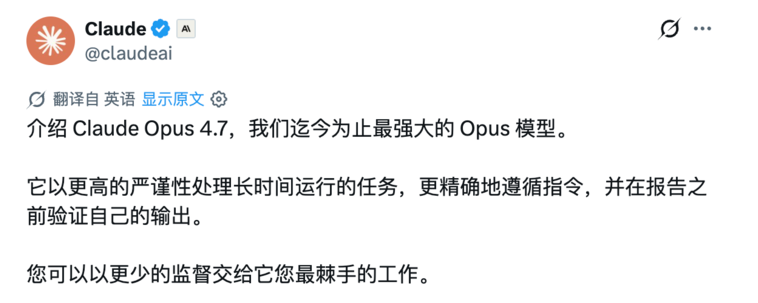
Anthropic's latest Claude model takes a surprising turn - trading raw intelligence for rock-solid reliability. Version 4.7 makes fewer guesses and admits more mistakes, while still delivering impressive benchmark gains. Early testers describe it as 'the colleague who won't let you make bad decisions' rather than just a smarter chatbot. But this dependability comes at a cost - the model thinks longer and burns through more computing power on complex tasks.

April 17, 2026
Claude AIAnthropicAI reliability
AI Coding Assistants Clash: OpenAI's Codex Upgrade Takes On Anthropic's Claude
News

AI Coding Assistants Clash: OpenAI's Codex Upgrade Takes On Anthropic's Claude

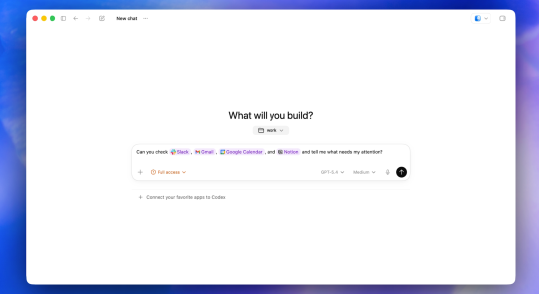
The battle for dominance in AI-powered coding tools heats up as OpenAI unveils major upgrades to Codex, introducing background operation and browser integration. Meanwhile, Anthropic's Claude Code continues gaining enterprise traction. This latest volley brings enhanced memory features, image generation, and flexible pricing - pushing AI programming assistants into new territory.

April 17, 2026
AI programmingOpenAIdeveloper tools