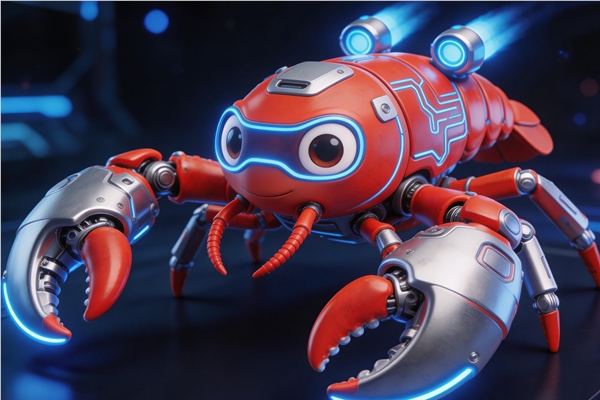
The Rise of AI 'Crabs': How OpenClaw Agents Are Changing Automation
The Crab Revolution: AI Agents That Actually Work
Remember when AI was just a fancy chatbot? Those days are gone. The OpenClaw framework has spawned a new generation of so-called 'crab' agents that don't just talk - they act. These digital assistants can now access your system to complete real tasks, from document processing to controlling smart home devices.
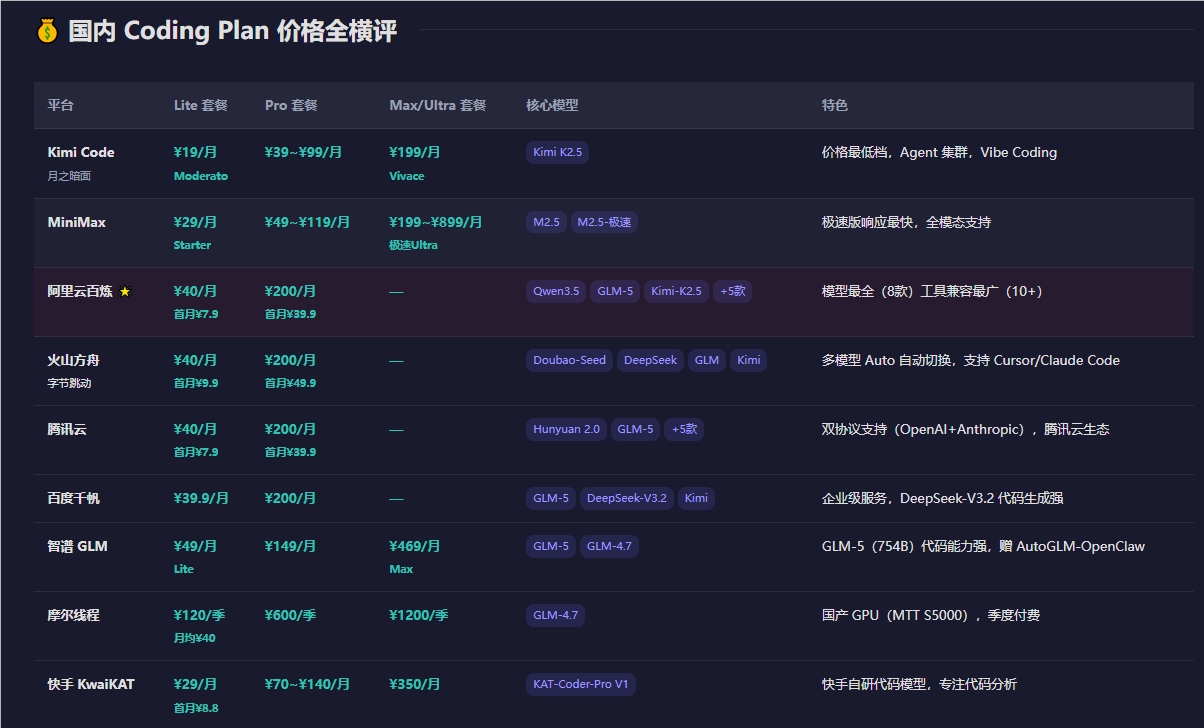
Who's Who in the Crab Ecosystem
The market has quickly divided into three distinct approaches:
- The Open-Source Swarm: OpenClaw leads this developer-friendly movement with over 26,000 plugins. It's the choice for tech enthusiasts who want maximum customization.
- Big Tech's Ecosystem Play: Companies like Tencent and ByteDance are baking crab functionality directly into their platforms. QClaw integrates with WeChat, while ArkClaw works seamlessly within Feishu.
- Hardware Makers Join the Fray: Huawei and Xiaomi are bringing crabs to your devices. Xiaomi's version even controls your smart home through voice commands.
What Could Possibly Go Wrong?
With great automation comes great responsibility. The Ministry of Industry and Information Technology recently flagged security concerns with some open-source versions. Their advice? Always verify important tasks manually and consider hardware-isolated solutions for sensitive operations.
The billing models also require careful attention. Some platforms use a 'pay-as-you-go' approach that can lead to surprise charges when complex commands trigger multiple API calls. Experts recommend setting spending limits before testing services like KimiClaw or AutoClaw.
Key Points
- AI crabs represent a major shift from recommendation engines to true digital assistants
- Three main approaches exist: open-source, big tech integrations, and hardware solutions
- Security remains a concern - important operations still need human oversight
- Watch out for billing surprises with pay-as-you-go models that charge per API call