Text-Based AI Games Go Viral as Creators Craft Digital Worlds
The Rise of DIY AI Gaming
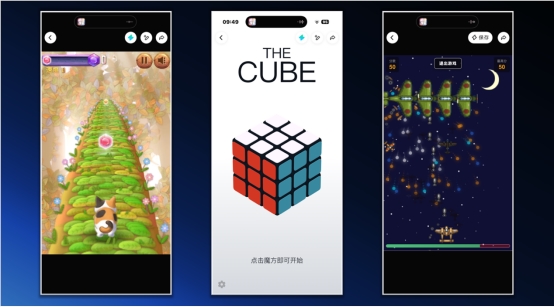
Move over blockbuster video games - there's a charming new trend in digital entertainment. Across Chinese social platforms, creative netizens are using AI assistants like Lingguang to build surprisingly engaging text-based simulations. What began as a niche hobby has blossomed into a vibrant ecosystem of homemade digital experiences.
From Virtual Pets to Nostalgic Inns
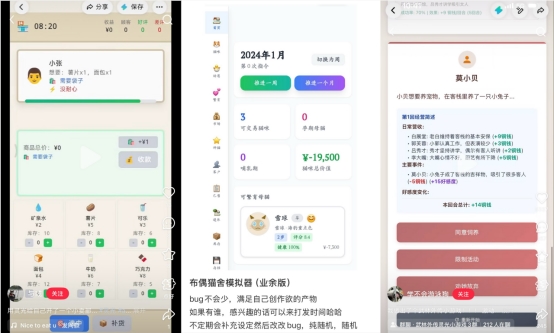
The creativity on display is staggering. One user designed a "Paw Cat Shelter Simulator" where players manage every aspect of feline care - from scheduling vet visits to arranging adoptions. Another built a remarkably detailed convenience store simulation, complete with virtual customers making specific requests like "a bottle of mineral water and two boxes of milk."
Perhaps most intriguing are the nostalgia-driven creations. Fans have recreated beloved Chinese TV settings like Tongfu Inn, allowing players to step into the shoes of classic characters while managing their own digital establishments. These aren't just games - they're interactive love letters to shared cultural memories.
Why Text Games Are Thriving
At first glance, these text-based experiences might seem primitive compared to today's graphically rich games. But their simplicity is precisely their strength:
- Instant creativity: No coding skills required - just natural language conversations with AI assistants
- Emotional resonance: Players form surprisingly deep connections through pure imagination
- Micro-entrepreneurship: Creators sell their games for 9.9-30 yuan ($1.50-$4.50), creating new income streams
"These tools finally let me bring my ideas to life without needing a programming degree," shared one creator who developed a PhD student simulator. "The best part? Watching complete strangers enjoy something I made in my free time."
The Bigger Picture
Industry observers see this as more than just a gaming fad. Digital culture expert Li Wen notes: "These games fill an emotional gap that traditional gaming often misses. When young people crave comfort, control, or nostalgia, these lightweight experiences deliver exactly that."
The phenomenon also hints at AI's evolving role in content creation. Rather than replacing human creativity, tools like Lingguang are amplifying it - turning casual users into game designers overnight.
Key Points:
- AI text games are gaining popularity for their simplicity and emotional appeal
- Creators use natural language tools to build diverse simulations quickly
- Games range from pet care to nostalgic recreations of classic settings
- The trend reflects growing demand for lightweight, emotionally resonant digital experiences
- Experts see potential for future integration of images and video as technology advances