Senate Embraces AI Assistants: ChatGPT and Rivals Get Green Light
Senate Staff Get AI Assistants Approved
The halls of Congress are getting a digital upgrade. Starting this week, U.S. Senate aides can officially use artificial intelligence tools like ChatGPT and Google Gemini in their daily work - with some important strings attached.
What's Changing
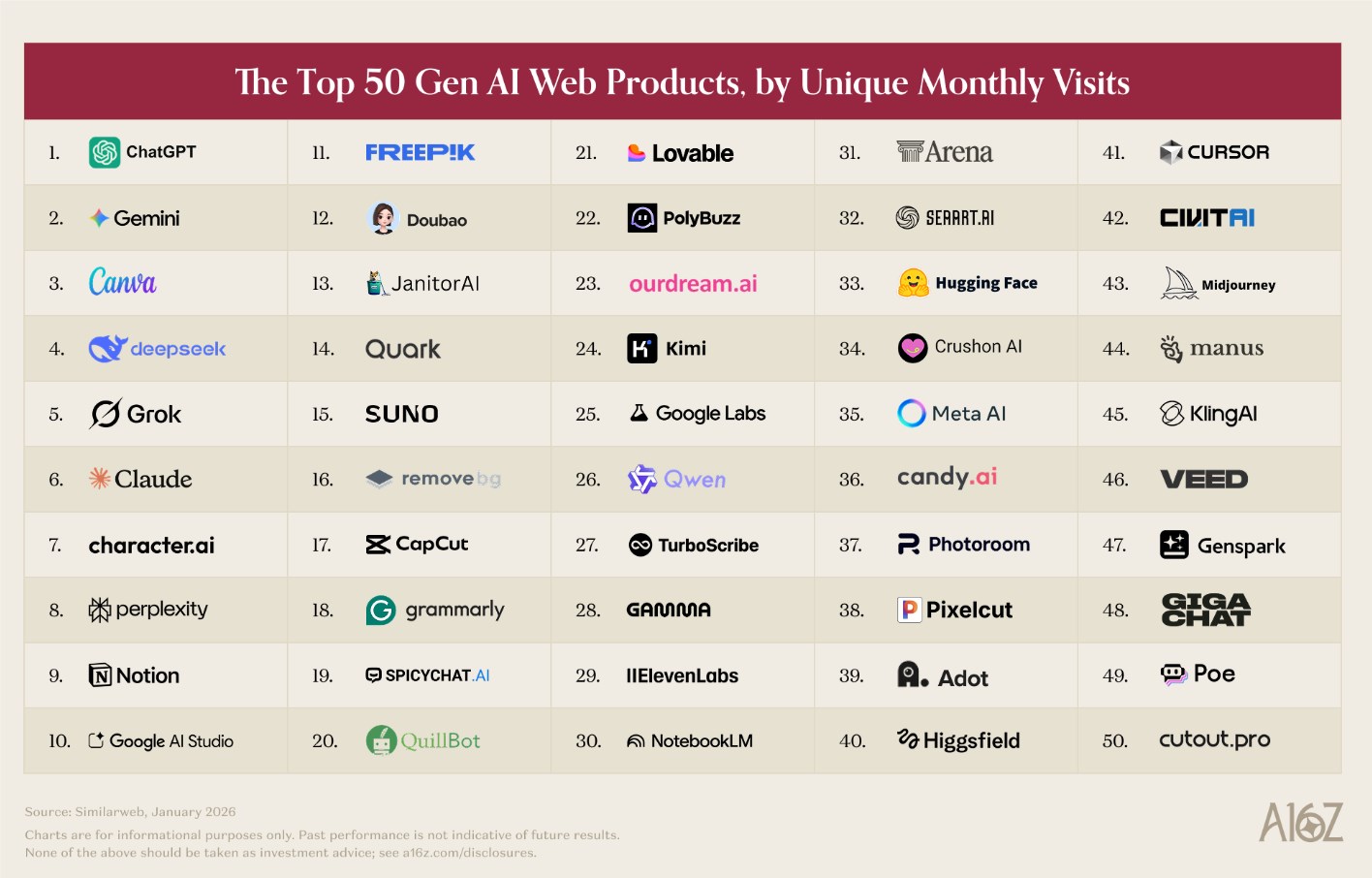
According to internal documents obtained by The New York Times, three major AI platforms received approval:
- Microsoft Copilot (integrated directly into Senate systems)
- Google Gemini
- OpenAI's ChatGPT
These tools will help staffers draft documents, summarize complex information, prepare briefing materials, and conduct research. "It's about working smarter," explained one senior aide who requested anonymity. "We're drowning in information - if AI can help surface what matters faster, that's huge."
Security First Approach
The rollout comes with significant safeguards:
- All Copilot data remains within Microsoft's secure government cloud environment
- Individual offices maintain control over what gets processed through AI systems
- Staff handling classified materials face additional restrictions
"We're not throwing open the doors," cautioned a technology officer familiar with the implementation. "This is carefully controlled access to boost productivity while maintaining security."
Following the House's Lead
The Senate isn't pioneering this move - their counterparts in the House of Representatives already approved similar tools last year, including Anthropic's Claude system. But the Senate's adoption marks another milestone in government's gradual embrace of generative AI.
Observers note these approvals could accelerate Capitol Hill's digital transformation. "Congress moves slowly," said tech policy analyst Miriam Chen. "When both chambers adopt new technologies this quickly by Washington standards, it sends a strong signal."
The approvals don't mean free rein for AI use though. Each congressional office sets its own guidelines, creating a patchwork of policies across Capitol Hill.
What Comes Next?
The big unanswered question: How will lawmakers balance efficiency gains against potential risks? While excited about time-saving benefits, many staffers remain wary about feeding sensitive legislative materials into commercial AI systems.
"We'll be watching closely how offices implement these tools," said Daniel Reese from the Government Accountability Project. "The devil is always in the details with new technologies."
Key Points:
- Three major AI chatbots approved for Senate staff use
- Strict security protocols implemented for sensitive data
- Individual offices maintain control over specific usage
- Follows similar House approval last year
- Marks accelerating adoption of AI in government