Perplexity CEO: AI Won't Kill Your iPhone, It'll Make It Smarter
Why Your iPhone Might Become Even More Essential in the AI Era
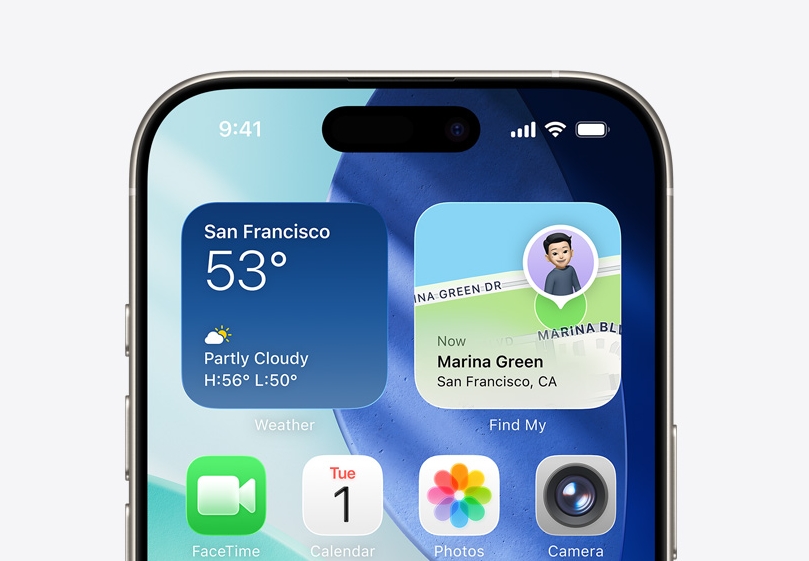
In a world buzzing with AI breakthroughs, one tech leader has a surprising prediction: your smartphone isn't going anywhere. Perplexity CEO Aravind Srinivas recently shared his vision of how artificial intelligence will actually strengthen the iPhone's position rather than threaten it.
The iPhone as Your Digital Passport
Srinivas paints a compelling picture of the iPhone evolving into what he calls a "digital passport" - an essential tool that holds the keys to your digital identity. "Think about all the personal data your phone already stores," he explains. "Payments, health metrics, communication history - this contextual information is exactly what future AI systems will need to deliver truly personalized experiences."
This perspective flips the common narrative that standalone AI devices might replace smartphones. Instead, Srinivas sees our phones becoming even more central as they provide the rich personal context that makes AI truly useful.
Apple's Hidden Advantage: Hardware Meets Privacy
The Perplexity CEO highlights Apple Silicon as an underappreciated asset in this coming transformation. As AI computing shifts from cloud servers to edge devices (your phone), powerful local processing becomes crucial. Apple's chips are uniquely positioned to handle what Srinivas calls "agent loops" - the continuous back-and-forth between user and AI that happens entirely on your device.
This approach offers two major benefits:
- Faster responses without waiting for cloud servers
- Better privacy by keeping sensitive data local
"Apple's philosophy of on-device processing aligns perfectly with where AI is headed," Srinivas notes. While competitors might have flashier chatbots today, Apple's control over both hardware and software gives it a long-term edge in personalized AI.
The Coming Siri Revolution
Admitting that Siri currently lags behind rivals like OpenAI's offerings, Srinivas sees big potential in Apple's expected 2026 upgrade to a context-aware assistant. "Imagine Siri that truly understands you," he suggests. "Not just answering questions but anticipating needs based on your habits, location, and past interactions."
The key advantage? Apple doesn't need to convince users to buy new devices - they can roll out these capabilities to millions of existing iPhones through software updates.
What This Means for the Tech Landscape
This vision suggests several important shifts:
- Hardware matters again - After years of cloud dominance, powerful local processing is becoming crucial for advanced AI features.
- Privacy becomes a selling point - As consumers grow wary of data-hungry AI services, Apple's approach could win converts.
- Ecosystem beats individual apps - The tight integration between Apple's hardware, software and services creates advantages third-party apps can't match.
The battle for AI supremacy might not be won by who has the biggest language model, but by who controls the devices where these models meet real users every day.
Key Points:
- AI needs context: Personalized artificial intelligence requires access to your data history - something your phone already has.
- Edge computing rises: Processing on your device means faster responses and better privacy protection.
- Apple's quiet strength: Their control over both hardware and software positions them well for the next phase of AI development.
- Siri's second act: An upcoming major upgrade could transform how we interact with our iPhones.