Singapore Emerges as AI's Neutral Ground Amid US-China Tensions
Why AI Companies Are Choosing Singapore Over Silicon Valley
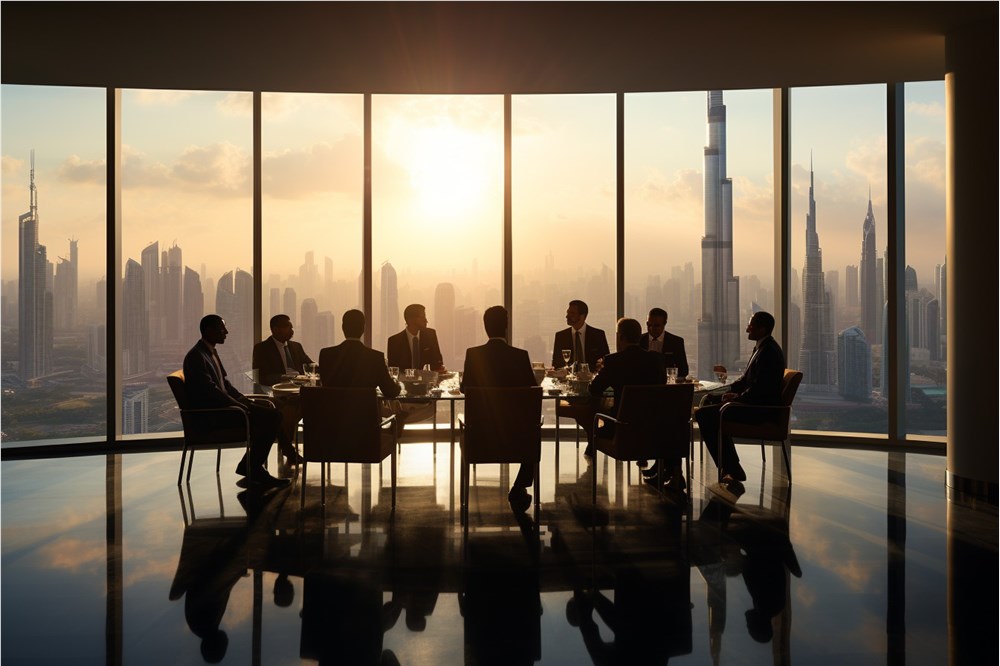
In the high-stakes world of artificial intelligence, where geopolitical tensions often overshadow technological progress, Singapore has emerged as an unlikely peacemaker. This compact city-state is rapidly becoming the Switzerland of AI - a neutral ground where Chinese and American tech firms can coexist away from the crossfire of international disputes.
The Allure of Neutrality
For Chinese startups looking westward, Singapore offers more than just a tropical climate. It provides a crucial stepping stone to global markets while minimizing political baggage. "Setting up shop here gives us credibility with international clients," explains one founder who recently relocated from Shenzhen. "We're no longer seen as just another Chinese company."
American firms face their own challenges back home. With US visa policies becoming increasingly restrictive, companies like OpenAI and Anthropic have found Singapore's employment pass system remarkably efficient - some approvals come through in as little as three days compared to the H-1B lottery system's months-long uncertainty.
Intellectual Property Safe Haven
Beyond visas, Singapore's legal framework offers something increasingly rare: predictability. The country's robust intellectual property protections give companies confidence that their innovations won't get caught in geopolitical crosshairs. This matters tremendously when you're dealing with cutting-edge AI research that could be worth billions.
"Our international clients sleep better knowing we're operating under Singaporean law," says the CTO of an AI security firm that recently moved its headquarters from California. "It's not about running away from anywhere - it's about running toward stability."
The Talent Magnet Effect
The real winner in this corporate migration might be Singapore itself. As more tech firms establish Asian hubs there, the city-state is developing a self-reinforcing ecosystem of talent and innovation. Universities are expanding AI programs, venture capital is flowing in, and startup incubators are popping up across the island.
But this boom comes with concerns. Both China and the US have been tightening controls on technology exports and talent flows. Some analysts worry Singapore could eventually face pressure to choose sides - potentially undermining its carefully cultivated neutrality.
Looking Ahead
The question isn't whether Singapore will maintain its current role - it's how long this golden era can last. For now though, in an industry where politics increasingly dictates possibilities, this small nation has carved out an unexpectedly large space for technological progress to continue unimpeded.
Key Points:
- Geopolitical refuge: Companies seek neutral ground amid US-China tensions
- Visa advantage: Employment passes approved in days vs months for US H-1Bs
- Legal protections: Strong IP laws attract sensitive AI research projects
- Talent concentration: Creating Asia's newest tech hub outside Silicon Valley