Peng Lei Forecasts 5 Brain-Computer Interface Breakthroughs
Brain-Computer Interface Trends: A 5-Year Outlook
At the 2025 Yabuli China Entrepreneurs Forum, Peng Lei, founder of Neuracle Technologies, unveiled five transformative trends in brain-computer interface (BCI) technology poised to redefine human-machine interaction by 2030.
1. Spinal-BCI Integration: Restoring Mobility
Peng Lei highlighted breakthrough potential for paralysis patients through dual neural implants:
- Cranial BCI to decode motor signals
- Spinal interface to bypass injury sites "This could reactivate neural pathways," he stated, noting preclinical trials show promise for quadriplegic patients.
2. Visual Cortex Stimulation: Digital Sight
Blindness may become treatable via:
- 60-channel prototypes (2026) generating light perception
- 2000-channel systems (2028) enabling shape recognition Neuralink's upcoming blind trial could accelerate adoption, with Peng predicting "functional vision" within a decade.
3. Hippocampal Modulation: Memory Augmentation
The technology targets:
- Alzheimer's reversal through targeted stimulation
- Memory prosthetics acting as cognitive "SSD drives" "We're not just repairing - we're enhancing," Peng emphasized, citing 30% recall improvement in early studies.
4. Embodied AI: The Consciousness Catalyst
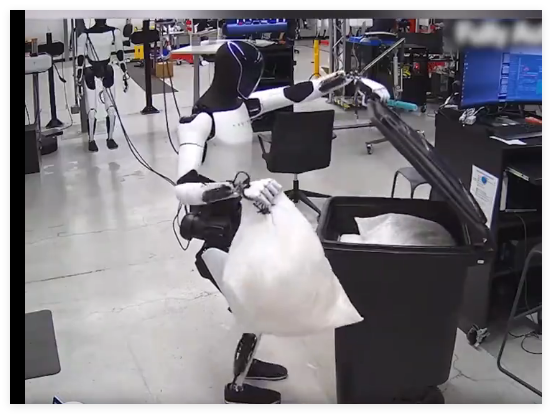
Critical partnerships like BrainCo-AnyBot aim to:
- Integrate BCIs with robotic bodies
- Create sensory feedback loops "True AI consciousness requires physical interaction," Peng argued. "Text models alone can't develop subjective experience."
5. Carbon-Silicon Fusion: The 2045 Horizon
The final frontier involves:
- Direct neural-cloud interfaces
- Hybrid biological-digital cognition Referencing The Singularity, Peng projected this integration becoming mainstream between 2035-2045, urging Chinese tech firms to lead development.
Key Points:
- Medical breakthroughs: BCI-spinal fusion could restore movement; visual stimulation may cure blindness
- Cognitive enhancement: Memory augmentation enters clinical testing phases
- AI evolution: Embodied intelligence critical for machine consciousness
- Technological merger: Human-machine integration expected by mid-2040s
- Global race: China positioning as BCI innovation leader