Google Brings Robotics Innovator Intrinsic Into Its Fold
Google Welcomes Robotics Pioneer Intrinsic
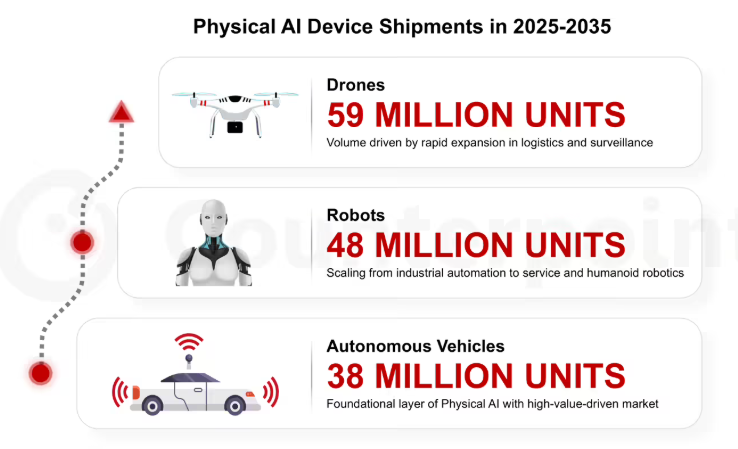
In a significant tech industry move, Google announced on February 25, 2026 the integration of Intrinsic, Alphabet's robotics software division. This acquisition signals Google's serious push into industrial automation by combining its AI expertise with physical world applications.
Merging Digital Smarts With Physical Machines
The deal promises to bridge the gap between artificial intelligence and real-world robotics. While Intrinsic will continue operating independently, its researchers will now work closely with Google DeepMind teams. The collaboration gives Intrinsic direct access to Gemini AI models and Google Cloud services - powerful tools that could transform complex robotic programming into something more accessible.
From Secret Project to Industry Player
The story of Intrinsic reads like a classic Silicon Valley startup tale:
- Humble beginnings: Born in Alphabet's secretive X lab (formerly Google X), the project spent five years developing quietly before emerging publicly in 2021
- Strategic acquisitions: Under CEO Wendy Tan White, the company smartly snapped up Vicarious (backed by Jeff Bezos) and Open Robotics' commercial division
- Product milestones: Their Flowstate platform (2023) simplified robot programming, followed by the Vision AI model launch in late 2025
Automating Factories of the Future
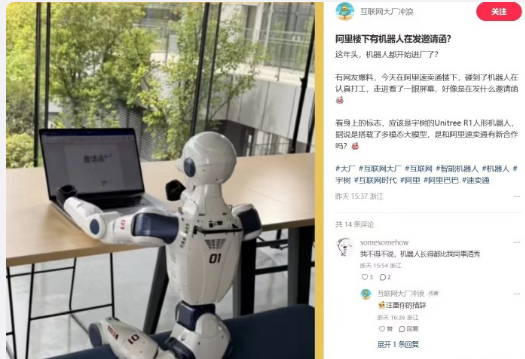
The most exciting development might be Intrinsic's partnership with manufacturing giant Foxconn. Together they're developing "general intelligent robots" designed to automate entire electronics production lines. Imagine factories where robots don't just perform repetitive tasks but can adapt intelligently to new challenges - that's the ambitious vision driving this collaboration.
Key Points:
- Strategic alignment: Brings together Google's AI leadership with industrial robotics expertise
- Technology boost: Intrinsic gains access to Gemini models and cloud infrastructure
- Industry impact: Foxconn partnership could redefine electronics manufacturing automation