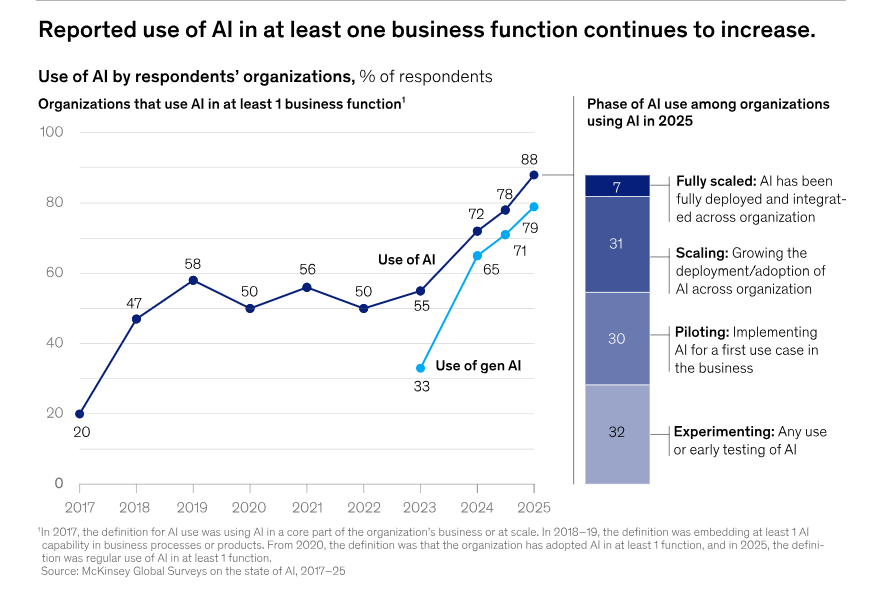
OpenAI's Frontier Platform Turns AI Into Your Next Office Teammate
OpenAI's New Frontier: AI That Works Alongside Humans
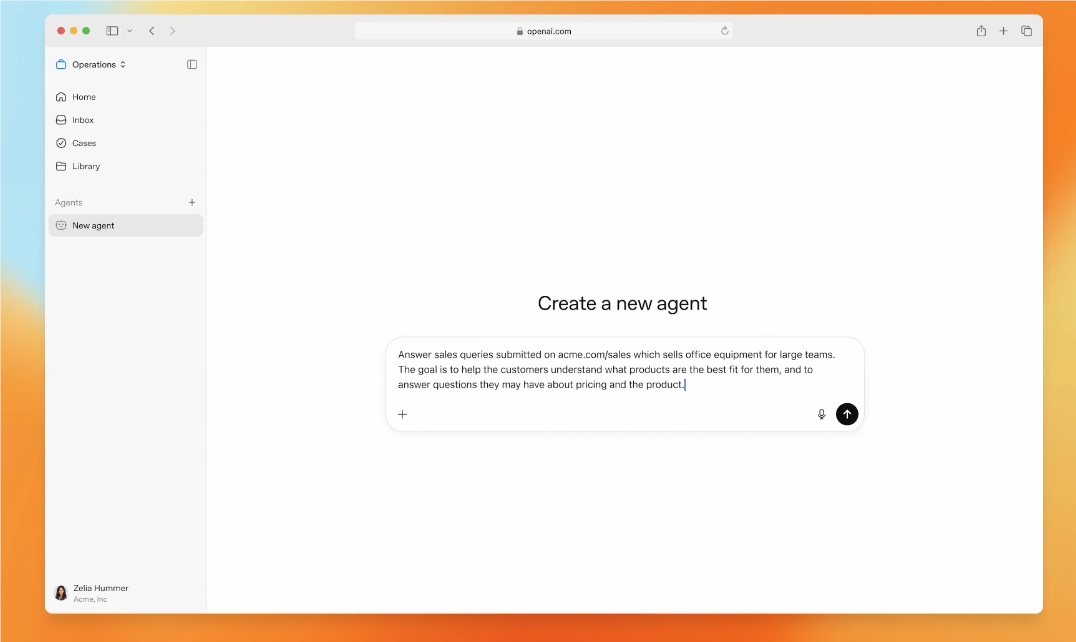
Move over, clunky chatbots - OpenAI just introduced what might be the first true digital coworkers. Their new Frontier platform represents a quantum leap from conversational AI to functional workplace partners that understand your business as well as human employees do.
Bridging the AI Implementation Gap
We've all seen the promise of AI fall flat when hitting real-world office environments. Frontier tackles this head-on by giving AI agents something previous systems lacked: context. Like onboarding a new hire, the platform connects to CRM systems, databases, and productivity tools to create what OpenAI calls a "business semantic layer."
"Imagine an assistant who doesn't just answer questions about your sales pipeline but can actually update records or flag opportunities," explains an OpenAI spokesperson. "That's the difference between an AI that chats and one that contributes."
More Than Suggestions - Real Execution
The platform's standout feature? Actual task execution. Frontier agents can:
- Operate computer systems within set permissions
- Run code for data analysis
- Plan multi-step workflows
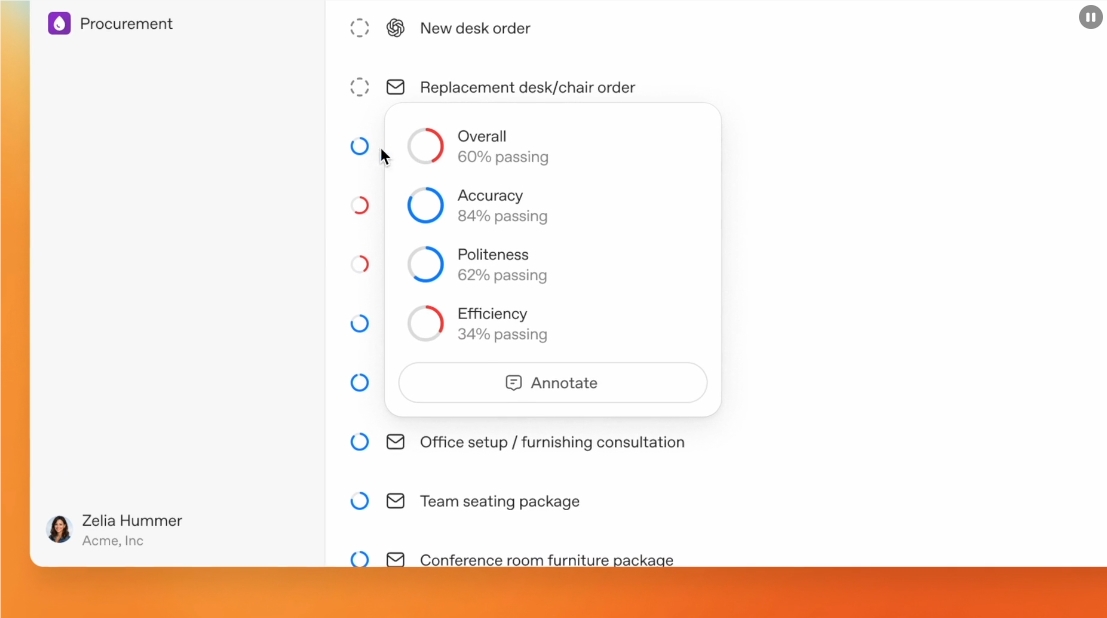
- Learn from feedback loops
Early results impress: One manufacturer reduced equipment failure analysis from three weeks to four hours. A financial services firm saw revenue jump 18% after implementing Frontier-powered sales assistants.
Designed for Real Offices
Unlike disruptive tech requiring complete system overhauls, Frontier plays nice with existing infrastructure:
- Plug-and-play with major cloud providers
- Granular permission controls matching corporate hierarchies
- Continuous optimization that improves with use
The system even handles something notoriously difficult for AI - understanding when it doesn't know something and appropriately escalating issues to human colleagues.
Who's Already On Board?
The platform's early access program reads like a who's who of corporate America:
- State Farm for claims processing
- Oracle integrating with enterprise software
- Uber optimizing driver dispatch algorithms
The common thread? Companies drowning in operational complexity but wary of rip-and-replace solutions.
Key Points:
- Digital coworkers, not tools - Agents operate with business context and permissions like human staff
- Measurable impact - Pilot programs show 10x efficiency gains in some processes
- No infrastructure shock - Works within existing tech stacks across departments
- Learning on the job - Continuous improvement through real-world feedback loops