Microsoft's Fara-7B Brings AI Power to Your Device Without Compromising Privacy
Microsoft Takes AI Local with New Privacy-Focused Assistant
In a move that could reshape how businesses handle sensitive data, Microsoft has introduced Fara-7B, a compact artificial intelligence assistant designed to operate entirely on users' devices. This local approach eliminates the need to send confidential information to cloud servers, addressing growing enterprise concerns about data privacy.
Seeing the Web Like Humans Do
What sets Fara-7B apart is its remarkably human-like approach to interacting with digital interfaces. Rather than relying on technical backend code (what developers call "accessibility trees"), the AI processes visual screenshots of web pages—just like we do with our eyes—then predicts where to click or type next.
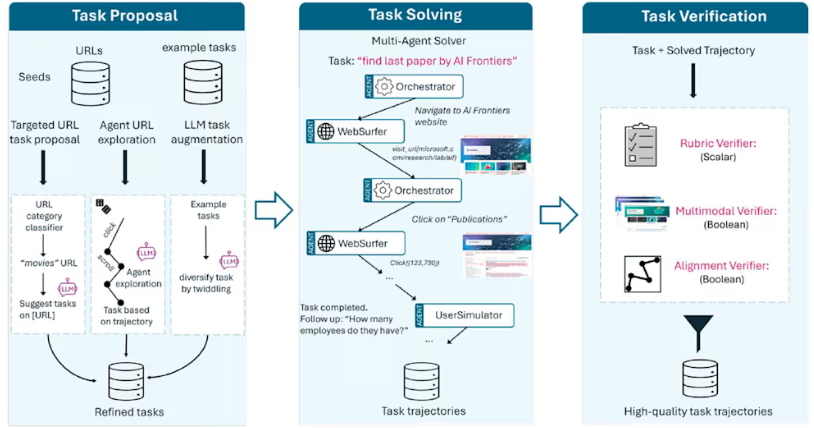
"We wanted an assistant that could navigate any website," explains Microsoft researcher Elena Vasquez. "Even poorly coded ones that trip up traditional automation tools."
Small Package, Big Performance
The numbers tell an impressive story:
- 73.5% success rate on complex web tasks (beating GPT-4o's 65.1%)
- Completes jobs in 16 steps versus competitors' 41 steps
- Processes sensitive workflows like HR records without data leaving the device
The secret? Microsoft employed "knowledge distillation" techniques to pack capabilities typically found in much larger models into Fara-7B's efficient framework.
Built-In Safety Nets
Recognizing the risks of autonomous AI actions, Microsoft baked in safeguards:
- The model pauses at "key points" requiring human approval before proceeding with sensitive operations
- A specialized interface called Magentic-UI reduces decision fatigue during oversight
- Training emphasizes recognizing when to stop rather than pushing through uncertainty
The company acknowledges occasional missteps still occur—a reality facing all current AI systems—but believes these guardrails significantly reduce potential harm.
What's Next?
While available now for experimentation (via Hugging Face and Microsoft Foundry), Fara-7B isn't quite ready for mission-critical deployment. Future versions will focus on smarter learning through real-world practice rather than simply adding more parameters.
The release signals tech giants' growing recognition that sometimes smaller, specialized models better serve specific needs—especially when privacy can't be compromised.
Key Points:
🔒 Local processing keeps sensitive company data on-device 👁️ Visual interaction mimics human browsing behavior ⚡ Surprising efficiency outperforms larger competitors 🛑 Safety pauses require approval before critical actions