Meta's Open-Source Retreat: How Pumpkin Soup and Chinese AI Reshaped Its Strategy
Meta's Open-Source Dream Crumbles Amid Strategic U-Turn
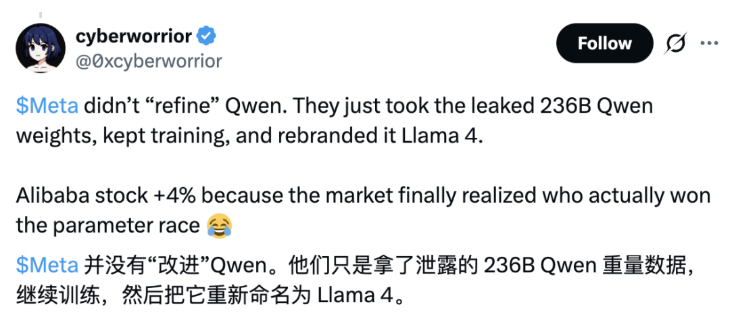
The tech world watched in disbelief as Meta, once the self-proclaimed "Android of AI," quietly shelved its open-source ideals. Their upcoming "Avocado" model—expected spring 2026—won't just be closed-source; it reportedly owes its training to China's Alibaba Qwen. The irony wasn't lost on investors: Alibaba shares jumped 4% pre-market while Silicon Valley whispered about "homework copying."
From Belief to Bottom Line
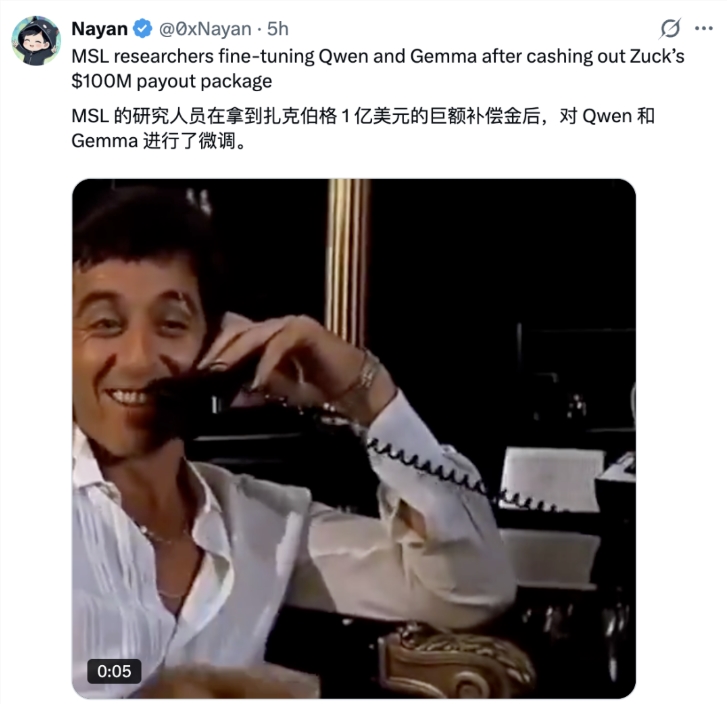
Zuckerberg originally envisioned open-source AI as an ecosystem play, comparing Llama models to Android's democratizing force. That vision soured after Llama4's disastrous April 2025 debut. When evaluators accused it of benchmark manipulation, Meta's response was swift—and ruthless. The Llama team found themselves sidelined as Zuckerberg rolled out a "dream team" recruitment drive complete with seven-figure offers and personal touches like homemade pumpkin soup for OpenAI defectors.
The Closed-Source Crusaders Take Charge
The strategic shift crystallized around Alexander Wang, Meta's new $1.43 billion Chief AI Officer from Scale AI. His TBD Lab became ground zero for the closed-source push, with Zuckerberg taking unusual personal interest—"mentoring" Wang from an adjacent office and reportedly checking progress daily. Insiders suggest the attention backfired; even massive paychecks couldn't offset the frustration of a CEO perpetually hovering over shoulders.
Casualties of War
The human cost emerged quickly:
- October 2025: FAIR lab layoffs claimed research director Tian Yuan Dong among others
- November 2025: Yann LeCun, convolutional neural networks pioneer, exited quietly after being told to mute his open-source advocacy
- Current: Remaining staff describe a "siege mentality" as Avocado consumes resources
The Irony Beneath the Code
What makes Avocado particularly provocative is its DNA. This supposed closed-source flagship relies fundamentally on open-source components—especially Alibaba Qwen. As one engineer quipped anonymously: "We're building walls with bricks labeled 'free to use.'" Meanwhile, China's open-source community watches with wry amusement as their work becomes foundational to Silicon Valley's proprietary ambitions.
The broader implications are stark:
- Talent Wars: Zuckerberg's soup diplomacy highlights desperate competition for AI researchers
- East-West Shift: Chinese models now underpin Western tech giants' most sensitive projects
- Investor Calculus: Markets clearly value practical applications over ideological purity
Key Points:
- Meta will release closed-source "Avocado" AI in 2026 using Alibaba's Qwen technology
- Strategic shift followed Llama4 scandal and leadership changes favoring proprietary models
- High-profile departures include Yann LeCun amid cultural clash over openness
- Development highlights growing reliance on Chinese open-source projects despite geopolitical tensions