Ant Group's Lingbo Tech Opens Doors with Powerful New AI Model
Ant Group Subsidiary Releases Game-Changing Robotics AI
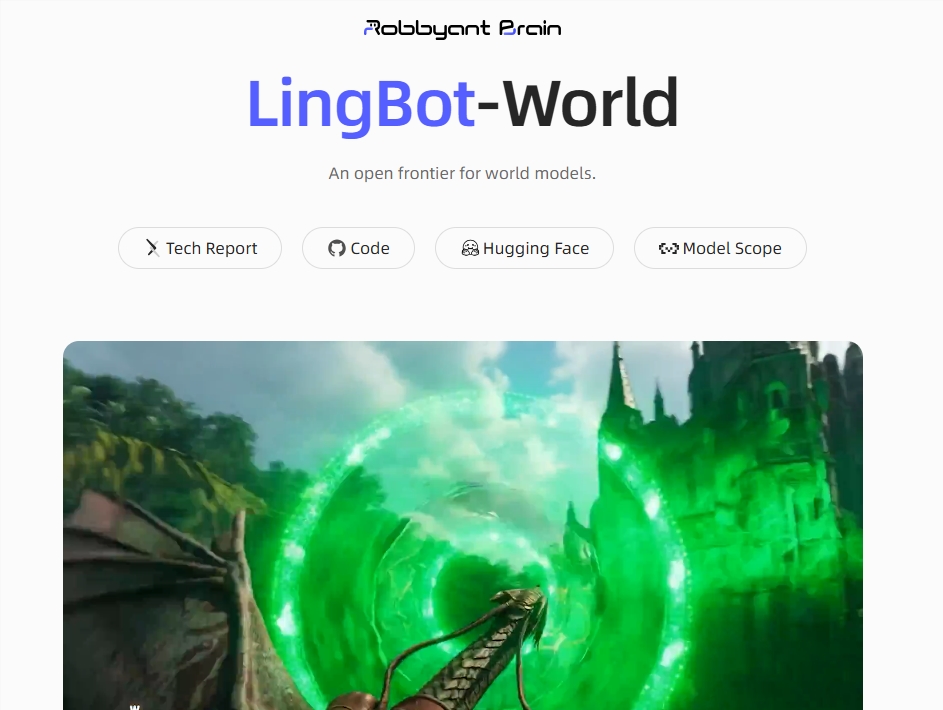
Lingbo Technology, the embodied intelligence arm of financial giant Ant Group, has taken a bold step toward democratizing robotics development. The company recently open-sourced its LingBot-VLA model along with a comprehensive suite of development tools - a move that could significantly lower barriers in this cutting-edge field.
Performance That Turns Heads
The numbers tell an impressive story. In rigorous testing at Shanghai Jiao Tong University's GM-100 benchmark, LingBot-VLA achieved:
- 15.7% average success rate across three robot platforms (outperforming Pi0.5's 13%)
- 17.3% success rate after adding depth perception capabilities
- Nearly 10% better performance than competitors in simulation tests with random disturbances
"What really excites us," explains a Lingbo spokesperson, "is how these gains translate to real-world applications where lighting conditions and object placement are never perfect."
Under the Hood: Smart Engineering Choices
The model's advantages go beyond raw performance numbers:
Efficient Training: Thanks to smart pre-training approaches, developers can achieve superior results with less data - crucial for organizations without massive datasets.
Blazing Speed: The engineering team built a remarkably efficient toolchain that processes 261 samples per second per GPU card (using an 8-GPU setup). That's up to 2.8 times faster than competing frameworks.
Open Source Done Right
Lingbo isn't just dumping code online - they've created a complete ecosystem:
- Pretrained models available on Hugging Face and ModelScope
- Full GitHub repository including data processing and evaluation tools The GM-100 benchmark dataset and detailed technical documentation complete the package.
This comprehensive approach means developers can hit the ground running rather than spending months recreating infrastructure.
Why This Matters Now
The timing couldn't be better as industries from manufacturing to healthcare increasingly explore robotic solutions. By removing key technical barriers, Lingbo's move could accelerate innovation across sectors. As one robotics researcher put it: "Tools like this help small teams punch above their weight - that's how real innovation happens."
Key Points:
- Proven Performance: Outperforms competitors in both real-world and simulated tests
- Developer Friendly: Complete toolchain reduces implementation time
- Accessible Innovation: Open-source approach lowers barriers to entry
- Future-Ready: Particularly strong in handling unpredictable environments