Magic Leap and Google Partner Again for Next-Gen AR Glasses

Magic Leap and Google Reunite for Next-Generation AR Glasses

On October 29, Magic Leap revealed at the Future Investment Initiative (FII) conference in Riyadh that it has rekindled its strategic partnership with Google. The two tech giants will collaborate on developing cutting-edge augmented reality (AR) glasses prototypes, aiming to push the boundaries of AR technology.

A New Chapter in AR Innovation

Ross Rosenberg, leader of Magic Leap, stated: "We’ve evolved from pioneers in AR to ecosystem partners, marking the next phase of our vision." He highlighted Magic Leap’s expertise in optics, display systems, and device services, which will be leveraged alongside Google’s resources to create practical yet powerful AR solutions.
Image

Focus on Comfort and Performance

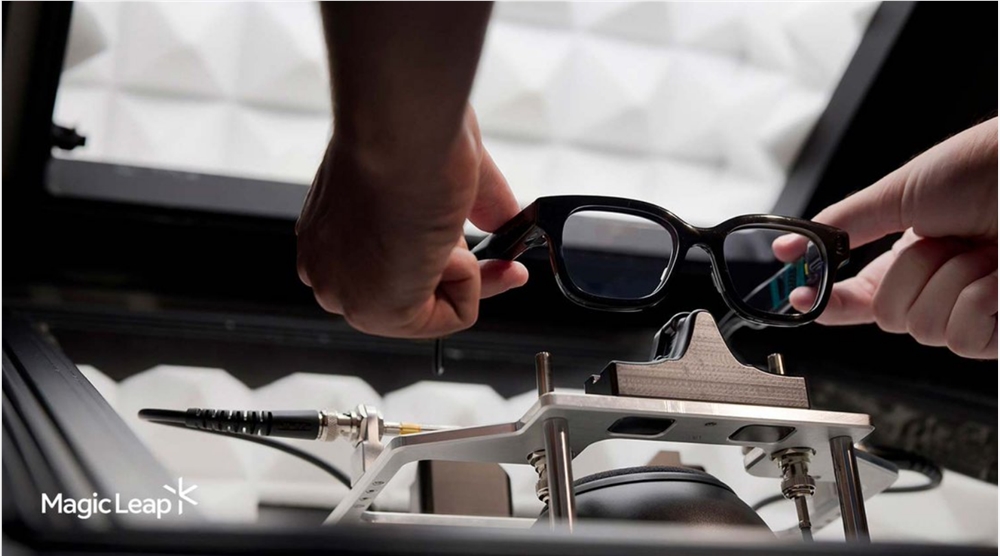
The three-year partnership will prioritize prototypes that balance visual quality, comfort, and manufacturability. Magic Leap’s advanced optical technology will be paired with Google’s Raxium micro LED engine, promising lightweight, wearable designs without compromising display fidelity or user experience.

At FII, Magic Leap showcased an AI glasses prototype designed for the Android XR ecosystem. The demonstration emphasized:

  • Comfortable and stylish design
  • Seamless integration of Google’s Raxium micro LED engine
  • Blending of digital content with real-world environments via multimodal AI

Industry Praise for the Collaboration

Shahram Izadi, Vice President and General Manager of Google XR, applauded Magic Leap’s contributions: "Their precision in optics and waveguide design delivers unmatched stability." He noted this synergy enables harmonious blending of physical and digital vision, reducing eye strain for users.

Key Points:

  1. Magic Leap and Google reunite for next-gen AR glasses development.
  2. The partnership combines Magic Leap’s optics expertise with Google’s Raxium micro LED technology.
  3. Prototypes prioritize wearability, visual quality, and seamless digital-physical integration.
  4. A live demo at FII highlighted comfort and Android XR compatibility.

Enjoyed this article?

Subscribe to our newsletter for the latest AI news, product reviews, and project recommendations delivered to your inbox weekly.

Weekly digestFree foreverUnsubscribe anytime

Related Articles

Google Trends Gets Smarter: AI-Powered Comparisons Now Available
News

Google Trends Gets Smarter: AI-Powered Comparisons Now Available

Google Trends just leveled up with Gemini AI integration, transforming how we explore search trends. The update introduces smart sidebars that automatically suggest related searches and visual improvements making data easier to digest. Now comparing up to eight topics at once, journalists and researchers can uncover hidden connections faster than ever.

January 15, 2026
GoogleData AnalysisAI Tools
Google's Upcoming Smart Glasses Pack Surprising Features
News

Google's Upcoming Smart Glasses Pack Surprising Features

A leaked Google companion app reveals intriguing details about upcoming Android XR glasses. The device will support crisp 3K video recording and smart conversation detection powered by Gemini AI - all while keeping your data private with on-device processing. As Google quietly prepares to challenge Meta's Ray-Bans, these glasses might just become your next favorite wearable.

January 13, 2026
GoogleSmartGlassesAndroidXR
Gmail Gets Smarter: Google's Gemini AI Transforms Email Search
News

Gmail Gets Smarter: Google's Gemini AI Transforms Email Search

Google has supercharged Gmail with its Gemini3 AI, bringing natural language search to your inbox. Now you can ask questions like 'What was the plumber's quote?' and get instant answers. The update also includes free writing assistance, smarter replies, and an upcoming 'AI Inbox' that prioritizes important messages while respecting your privacy.

January 9, 2026
GoogleGmailGeminiAI
Meta's Spatial Lingo Turns Your Living Room Into a Language Classroom
News

Meta's Spatial Lingo Turns Your Living Room Into a Language Classroom

Meta has unveiled Spatial Lingo, an innovative open-source Unity app that transforms everyday objects into language learning tools. Using mixed reality technology, the app guides users through vocabulary practice with items in their immediate environment. Developers can explore Meta's SDKs through practical examples while creating engaging educational experiences. The project showcases how AR can make language learning more immersive and contextually relevant.

January 8, 2026
Augmented RealityLanguage LearningMeta
News

Google and Qualcomm Bring AI Assistants to Your Car's Dashboard

Qualcomm and Google are taking their automotive partnership to the next level by embedding Google's AI assistant directly into vehicle systems. The upgraded Snapdragon Digital Chassis will power smarter, more intuitive cars that can anticipate your needs - from adjusting cabin settings to planning your commute. Chinese EV makers like Leapmotor will be first to roll out these AI-powered features, signaling a major shift in how we interact with our vehicles.

January 6, 2026
automotive technologyAI assistantssmart cars
Google's A2UI Standard Turns AI Into Instant Interface Designers
News

Google's A2UI Standard Turns AI Into Instant Interface Designers

Google has introduced A2UI, an open standard that enables AI agents to create graphical interfaces on the fly. Moving beyond text responses, AI can now generate interactive elements like forms and buttons tailored to each conversation. This breakthrough promises more natural interactions - imagine booking restaurants through visual forms instead of endless text exchanges. Already adopted by multiple partners, A2UI could redefine how we interact with AI assistants.

December 22, 2025
A2UIAI InterfacesGoogle