Google's AI Crackdown: Developers Face Bans for Using Open-Source Tools
Google Clamps Down on Open-Source AI Tools
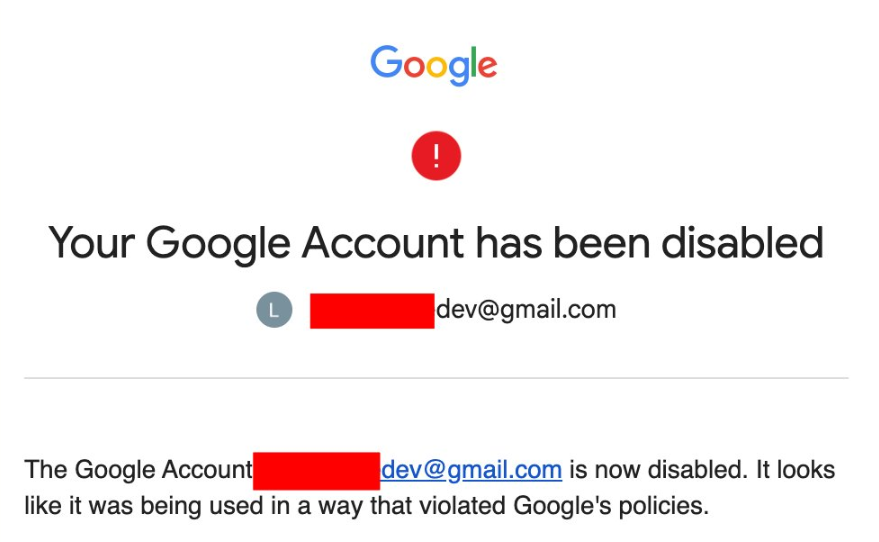
Developers using Google's Antigravity platform are facing unexpected account bans - all for connecting to popular open-source AI coding agents like OpenClaw and OpenCode. The crackdown, which began quietly last month, has sent shockwaves through the developer community and raised questions about Google's strategy in the competitive AI market.
The Antigravity Controversy
Launched in November 2025, Antigravity was Google's answer to the growing demand for integrated AI development environments. The platform promised seamless access to Google's powerful underlying models, positioning itself as a one-stop shop for AI development. But trouble started when developers began integrating third-party frameworks to enhance functionality.
"We were just trying to build better applications," says one developer who wished to remain anonymous. "Suddenly our entire Google ecosystem access was revoked - even email services. It feels like we're being punished for innovation."
Protection or Power Play?
Industry analysts see multiple motivations behind Google's move:
- Intellectual property concerns: Protecting proprietary technology from being used with competing frameworks
- Market dominance: Maintaining control over the rapidly growing AI development space
- Revenue protection: Ensuring developers remain dependent on Google's paid services
The timing is particularly interesting as open-source alternatives gain traction. Tools like OpenClaw have been gaining popularity precisely because they offer flexibility that proprietary systems often lack.
Developer Backlash Grows
The bans have sparked heated discussions across social media and developer forums:
- Many argue this undermines the collaborative spirit of software development
- Some warn it could push talent toward more open platforms
- A few see it as inevitable corporate behavior in a competitive market
The frustration is palpable in online communities. "This isn't just about today's projects," writes one developer on Hacker News. "It makes me question whether I want to build my career around a platform that might pull the rug out at any moment."
What Comes Next?
The situation highlights growing tensions in the AI industry between corporate control and open innovation. While Google maintains its actions protect legitimate business interests, the developer exodus could have unintended consequences.
Some predict this might accelerate:
- Migration to alternative platforms with more permissive policies
- Development of workarounds to bypass Google's restrictions
- Increased regulatory scrutiny of big tech's control over AI infrastructure
The coming months will reveal whether this proves to be a strategic masterstroke or a miscalculation that drives talent toward competitors.
Key Points:
- Google is banning accounts of developers using open-source tools on its Antigravity platform
- The move appears aimed at maintaining control over its AI ecosystem
- Developers express frustration, with some considering alternative platforms
- Industry watchers debate whether this will protect or ultimately harm Google's position
- The conflict highlights broader tensions between corporate and open-source AI development