LiteLLM Drops Controversial Delve Plugin Amid Privacy Backlash

LiteLLM Cuts Ties With Delve After Developer Revolt

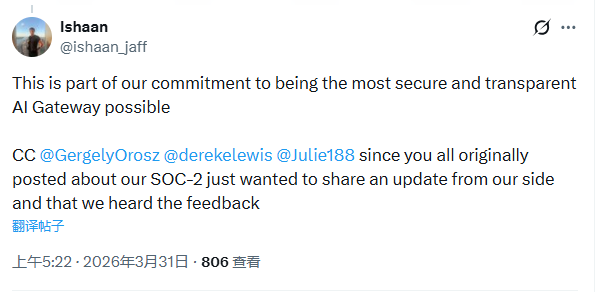
In a dramatic about-face, AI gateway provider LiteLLM has scrapped its controversial Delve plugin following months of mounting criticism from its core developer community. The decision comes after technical experts exposed potential privacy risks in the tool's opaque data handling practices.
Image

Why Developers Raised Red Flags

The Delve tool was originally marketed as a performance booster - promising faster response times and smarter prompt analysis for developers working with multiple large language models. But beneath the surface, many noticed troubling signs:

  • Black box operations: The plugin processed sensitive data without clear visibility into its mechanisms
  • Closed-door partnerships: Undisclosed third-party collaborations raised eyebrows
  • Philosophical clash: Its proprietary approach contradicted LiteLLM's open-source roots

"We missed the mark on transparency," admitted LiteLLM's founder in a candid blog post. "When building tools that handle sensitive data, trust isn't optional - it's the foundation."

The Fallout and Future Plans

The backlash reached critical mass last month when several prominent AI developers publicly abandoned the platform. LiteLLM's damage control includes:

  • Immediate removal of all Delve-related code
  • New third-party audit requirements for future tools
  • Roadmap for open-source alternatives launching Q3 2026

The pivot hasn't been painless. Early adopters report temporary workflow disruptions, though most agree the long-term benefits outweigh short-term headaches.

Bigger Than One Plugin: An Industry Wake-Up Call

This incident exposes growing pains in the AI middleware space. As gateway platforms become critical infrastructure, developers demand:

  1. Radical transparency - No more black boxes hiding behind "proprietary tech" claims
  2. Audit trails - Clear documentation of data flows and model interactions
  3. Open standards - Interoperability that doesn't lock users into single providers

"The days of 'move fast and break things' are over in AI infrastructure," notes Amelia Chen, CTO at rival platform OpenGateway. "Today's developers won't tolerate mystery meat architectures."

The message is clear: In an era where AI trust is fragile, middleware providers must choose between short-term optimization tricks and long-term credibility.

Key Points:

  • LiteLLM removes Delve after community backlash over privacy concerns
  • Founder admits security assessment failures, pledges transparency reforms
  • Incident highlights industry shift toward auditable AI infrastructure
  • Developers increasingly prioritize open standards over proprietary speed boosts
Enjoyed this article?

Subscribe to our newsletter for the latest AI news, product reviews, and project recommendations delivered to your inbox weekly.

Weekly digestFree foreverUnsubscribe anytime

Related Articles

Claude Pro Subscriptions Soar as Users Flock to Anthropic's Safety-First AI
News

Claude Pro Subscriptions Soar as Users Flock to Anthropic's Safety-First AI

Anthropic's Claude AI is seeing explosive growth in paid subscriptions, doubling its user base this year. The surge comes amid controversy over military AI use and the release of powerful new tools like Claude Code and autonomous 'Computer Use' features. While still trailing OpenAI in total users, Anthropic is carving out a premium niche with its strong safety stance and developer-focused innovations.

March 30, 2026
AI subscriptionsAnthropicClaude Pro
Cursor's Composer 2 Challenges AI Giants with Budget-Friendly Power
News

Cursor's Composer 2 Challenges AI Giants with Budget-Friendly Power

Cursor has shaken up the AI programming world with its new Composer 2 model, delivering performance that rivals top-tier offerings from OpenAI and Anthropic at just a fraction of the cost. The specialized coding model achieves this through focused training on programming tasks alone, skipping general knowledge to hone its technical precision. With prices up to 90% lower than competitors, this release marks Cursor's strategic shift from dependency to independence in the increasingly competitive AI tools market.

March 20, 2026
AI programmingCursorComposer2
HKU's CLI-Anything Turns Any Software into AI-Friendly Tools with One Command
News

HKU's CLI-Anything Turns Any Software into AI-Friendly Tools with One Command

The University of Hong Kong's Data Intelligence Lab has released CLI-Anything, an open-source tool that transforms any software into an AI agent-friendly command-line interface. This breakthrough eliminates the frustrations of unreliable UI automation, offering developers a robust way to integrate professional tools like GIMP, Blender, and LibreOffice with AI systems. The project has already gained significant traction, surpassing 17,000 GitHub stars shortly after launch.

March 17, 2026
AI developmentsoftware automationopen source
AI Coding Assistants Put to the Test: Who Really Delivers?
News

AI Coding Assistants Put to the Test: Who Really Delivers?

A new benchmark called the OpenClaw ranking has shaken up the AI world by putting popular coding assistants through rigorous real-world challenges. While some models like Gemini3Flash and Claude family members excelled, others like GPT-5.2 surprisingly fell short. This evaluation cuts through the hype to show which AI tools can actually write functional code when it matters most.

March 9, 2026
AI codingdeveloper toolstechnology benchmarks
Anthropic Bolsters AI Ambitions with Vercept Acquisition
News

Anthropic Bolsters AI Ambitions with Vercept Acquisition

AI powerhouse Anthropic has snapped up Seattle-based startup Vercept in a strategic move to strengthen its Claude Code ecosystem. While some founders transition to Anthropic, others voice disappointment over the product shutdown. The deal highlights the fierce competition for top AI talent as major players race to dominate emerging technologies.

February 26, 2026
AnthropicAI acquisitionsdeveloper tools
OpenAI's GPT-5.3-Codex Arrives: A Coding Partner That Thinks Like You
News

OpenAI's GPT-5.3-Codex Arrives: A Coding Partner That Thinks Like You

OpenAI has officially launched GPT-5.3-Codex globally, marking a significant leap in AI-assisted programming. Unlike previous versions, this model combines coding prowess with human-like reasoning, acting more like a collaborative senior developer than just a code generator. With 25% faster processing and groundbreaking 'mid-task interaction' capabilities, it lets developers adjust requirements on the fly without losing context. The upgrade includes a massive 400K token memory window – enough to handle even the most complex projects.

February 25, 2026
AI programmingGPT-5.3developer tools