Huaqiangbei's Smart Glasses Storm Amazon, Challenging Meta's Dominance
Chinese Smart Glasses Gain Traction Against Industry Giants
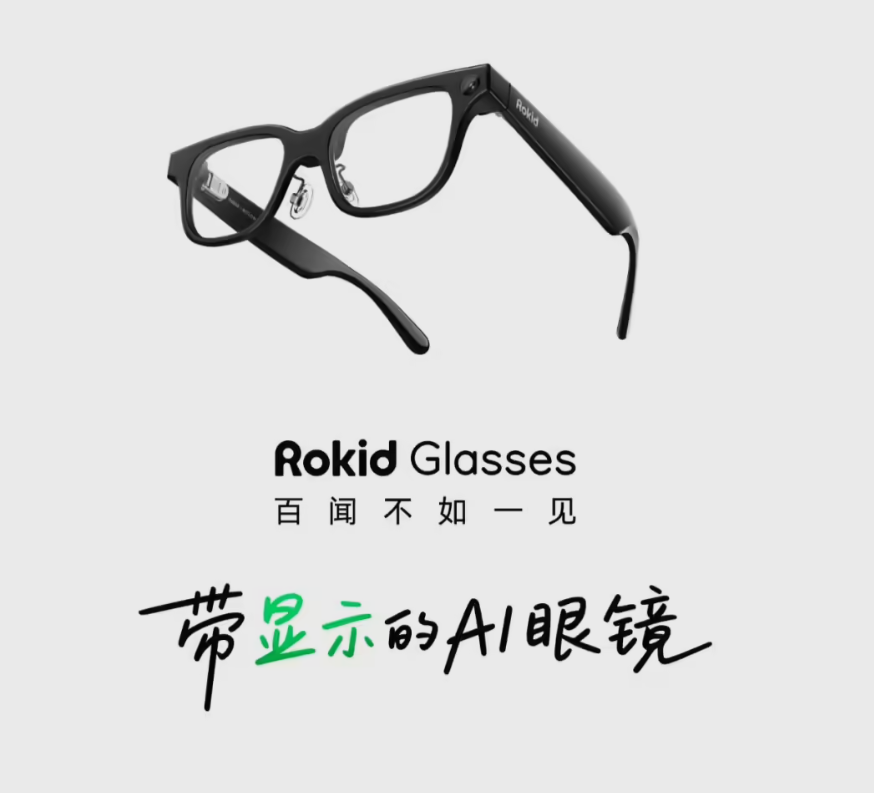
Shenzhen's famous electronics district Huaqiangbei has done it again - this time putting affordable AI glasses on faces worldwide. Recent data shows these Chinese-made smart eyewear saw sales jump an impressive 70-80% during the recent Spring Festival period.
The Battle for Eyewear Supremacy
The U.S. smart glasses market presents a tale of two extremes:
Premium Players Hold Their Ground Meta continues leading through brand recognition and ecosystem advantages. Their Oakley Meta HSTN and Ray-Ban Meta models dominate Amazon's bestseller lists.
Budget Alternatives Make Moves Meanwhile, Huaqiangbei manufacturers are flooding the market with affordable alternatives. While these products often suffer from similarity issues, their competitive pricing is proving irresistible to cost-conscious shoppers.
What Consumers Want
The most successful smart glasses share common features:
- Built-in cameras (8MP becoming standard)
- Audio capabilities
- First-person recording functions
Interestingly, augmented reality features remain niche due to higher costs and limited functionality.
The success of premium models has also created opportunities in accessories - cases, lenses and cleaning kits are experiencing their own sales boom.
From Copycats to Competitors
Industry analysts note this isn't Huaqiangbei's first rodeo. After tech giants paved the way educating consumers about smart glasses capabilities, Chinese manufacturers quickly stepped in with accessible versions leveraging Shenzhen's legendary supply chain efficiency.
This pattern mirrors previous tech adoption curves where premium brands create demand that budget manufacturers later fulfill at mass-market prices.
Key Points:
- Sales surge: Huaqiangbei smart glasses up 70-80%
- Market split: Premium vs budget segments growing simultaneously
- Core features: Cameras and audio driving adoption
- Supply chain advantage: Chinese manufacturers rapidly adapting existing tech