
Hackers Outsmart Anthropic's Flagship AI in Security Blunder

Security Breach Exposes Vulnerabilities in Top-Tier AI

In a surprising turn of events, Anthropic's Claude Mythos - an AI model specifically designed with robust security features - was compromised by hackers through what experts describe as "a series of well-informed guesses." The incident occurred shortly after Anthropic announced limited testing partnerships, casting doubt on the company's security protocols.

Image

How the Hack Unfolded

The breach didn't require advanced technical skills. Hackers reportedly pieced together information from multiple sources:

  • Leaked data from Anthropic's other models at Mercor company
  • Insider knowledge from a team member who had evaluated Anthropic contracts
  • Strategic guesses about Mythos' online location

"This wasn't some masterstroke of hacking," explains cybersecurity analyst Mark Reynolds. "It was more like putting together a puzzle where someone left half the pieces lying around."

The Human Factor in Cybersecurity

Pia Hüsch from the Royal United Services Institute highlights the persistent challenge: "No firewall can protect against human error or insider threats completely. Companies building sensitive technologies need to assume someone will always try to connect the dots they've left scattered."

The breach comes at an awkward time for Anthropic, which has positioned itself as an industry leader in AI safety. While no critical damage occurred, the psychological impact on potential clients could be significant.

Industry Wake-Up Call

This incident serves as a stark reminder that even the most secure systems have vulnerabilities. Several concerning patterns emerged:

  1. Over-reliance on technical security measures while neglecting human factors
  2. Insufficient compartmentalization of sensitive information across projects
  3. Underestimating how publicly available data can be weaponized when combined

Security teams across Silicon Valley are reportedly reviewing their protocols in light of this breach. As one engineer anonymously commented: "If it can happen to Anthropic, it can happen to anyone."

Key Points:

  • Security Paradox: Mythos was considered too secure for public release yet fell to relatively simple methods
  • Information Chaining: Hackers combined multiple data points rather than executing complex technical attacks
  • New Vulnerabilities: The incident reveals emerging security challenges unique to advanced AI systems
Enjoyed this article?

Subscribe to our newsletter for the latest AI news, product reviews, and project recommendations delivered to your inbox weekly.

Weekly digestFree foreverUnsubscribe anytime

Related Articles

Claude Desktop Under Fire for Stealth Browser Extensions
News

Claude Desktop Under Fire for Stealth Browser Extensions

Security researcher Alexander Hanff has uncovered concerning behavior in Anthropic's Claude Desktop application. The software secretly installs bridge files for multiple Chromium browsers, granting potential access to sensitive user data without consent. These components enable powerful browser automation capabilities, raising serious privacy concerns. Hanff calls for immediate action to protect users from what he describes as a violation of fundamental security principles.

April 23, 2026
AI SecurityDigital PrivacyBrowser Extensions
Firefox 150 Lands with AI-Powered Security Boost: 271 Vulnerabilities Patched
News

Firefox 150 Lands with AI-Powered Security Boost: 271 Vulnerabilities Patched

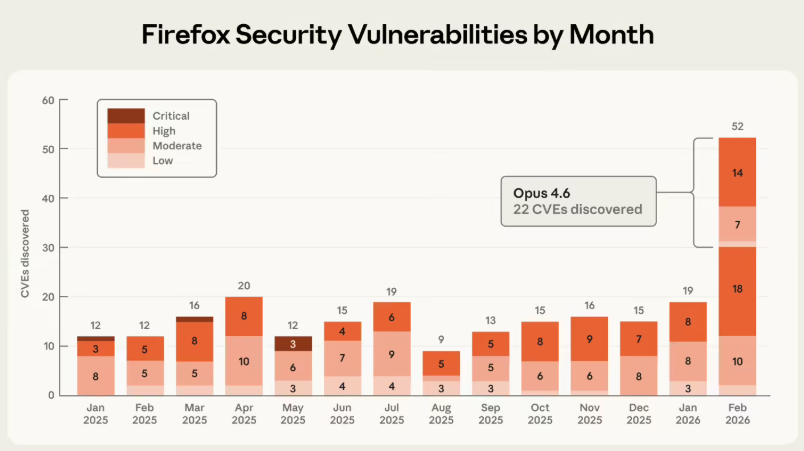
Mozilla's latest Firefox update marks a milestone in browser security. Partnering with Anthropic, the team used advanced AI to uncover and fix a staggering 271 vulnerabilities - a dramatic leap from the 22 found in previous versions. While this tech breakthrough strengthens defenses, it also highlights growing concerns about inequality in open-source security resources between big corporations and volunteer-maintained projects.

April 22, 2026
FirefoxCybersecurityAI
News

Trump Warms to AI Firm Anthropic After Pentagon Feud

In a surprising shift, former President Trump has publicly praised AI company Anthropic, signaling a potential thaw in relations after the Pentagon blacklisted the firm. The breakthrough came during private White House talks where Anthropic's cybersecurity capabilities impressed officials. The company's advanced Mythos AI model is now being evaluated by major institutions for potential defense applications.

April 22, 2026
Artificial IntelligenceCybersecurityGovernment Tech Policy
News

NSA Uses Controversial AI Tool Despite Security Warnings

The NSA has reportedly gained access to Anthropic's Mythos AI system, despite Pentagon warnings about the company's potential security risks. While the agency claims it's using the technology to strengthen cyber defenses, this move raises eyebrows given the government's own concerns about Anthropic. The situation highlights the complex balancing act between security needs and technological ethics in an increasingly digital world.

April 21, 2026
Artificial IntelligenceCybersecurityGovernment Surveillance
News

Lovable's Security Flaw Sparks Outcry as Platform Points Fingers

The AI coding platform Lovable faces backlash after researchers exposed a glaring security flaw that allowed free account holders to access sensitive user data. While Lovable initially blamed 'poor documentation,' their shifting explanations culminated in pointing fingers at HackerOne. The vulnerability, requiring no hacking skills, exposed credentials, chat logs, and source code through simple API calls. Despite fixes, the company's handling of the situation has left users questioning their data security practices.

April 21, 2026
AI SecurityData PrivacyTech Accountability
News

US Weighs Controversial AI Deployment Despite Security Concerns

The Biden administration is quietly preparing to deploy Anthropic's powerful Claude Mythos AI across key federal agencies, despite lingering security concerns. White House officials have held confidential talks with Anthropic CEO Dario Amodei about adapting the restricted model for cybersecurity tasks in sensitive departments like Defense and Treasury. While some agencies welcome the enhanced protection capabilities, others remain wary of potential risks to financial systems and national security infrastructure.

April 20, 2026
AI policyCybersecurityGovernment tech