Google Veo 3.1 Introduces Precision Video Editing
Google Veo 3.1 Unveils Advanced Video Editing Capabilities
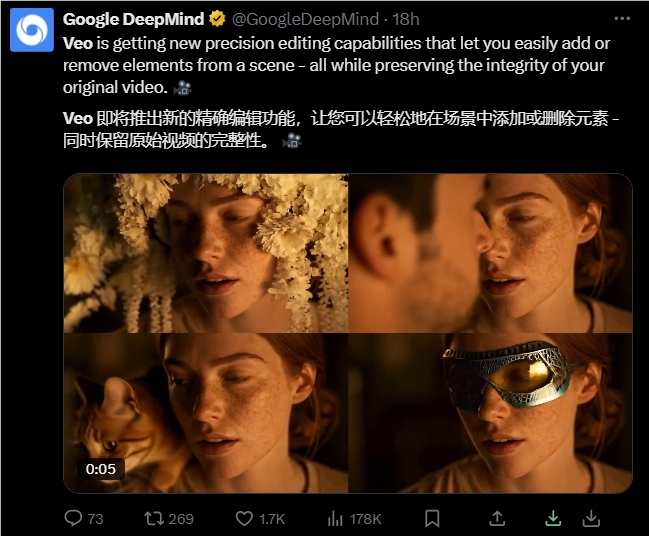
Google has announced the upcoming launch of Veo 3.1, a significant upgrade to its AI-powered video editing platform. The new version introduces Precise Editing, a feature that allows users to add or remove elements from videos while preserving the original footage's integrity and realism.
Core Upgrades in Veo 3.1
The latest iteration builds upon Veo 3, focusing on enhancing precision and naturalness in video edits. Users can now make fine-grained modifications, such as inserting new objects or removing unwanted elements, without altering the overall scene. The AI algorithm automatically generates realistic shadows, lighting adjustments, and environmental interactions.
This breakthrough leverages multimodal AI architecture, including computer vision and generative adversarial networks (GANs), supporting dynamic video processing at up to 1080p resolution and 24 frames per second.
Key Features
Intelligent Element Insertion
The Insert tool enables users to add new elements—ranging from realistic props to fantasy creatures—with seamless integration. The system handles complex interactions like light projection and motion consistency automatically.
Seamless Object Removal
The upcoming Remove feature allows users to erase specific objects or people while intelligently reconstructing the background. Advanced video repair algorithms ensure no traces remain after removal.
Expanded Applications
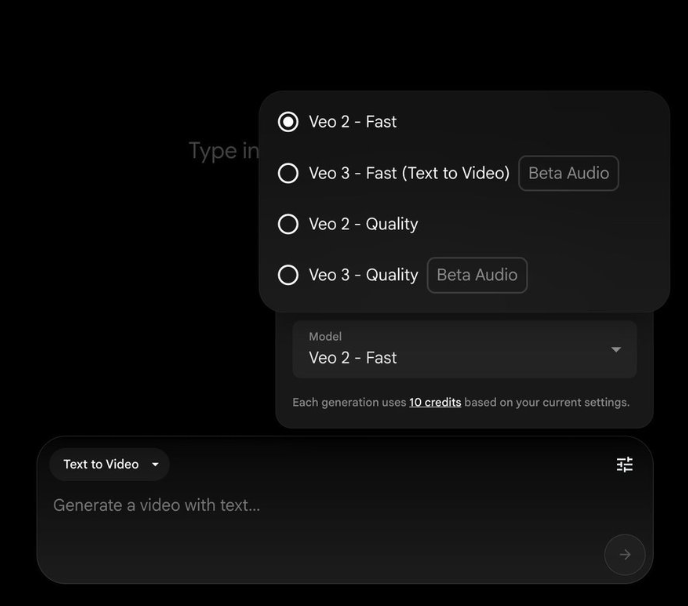
Veo 3.1's capabilities extend beyond Google's Flow platform, available via Gemini API, Vertex AI, and other developer tools. It supports both horizontal and vertical formats, compatible with platforms like TikTok and YouTube Shorts.
Industry Impact
The introduction of Precise Editing marks a shift from AI-generated content to professional-grade post-production tools. Industries such as advertising, education, and entertainment stand to benefit significantly from these advancements.
Key Points
- Precision Editing: Add or remove elements seamlessly while maintaining realism.
- AI-Driven: Handles shadows, lighting, and environmental interactions automatically.
- Multimodal Architecture: Combines computer vision and GANs for high-quality output.
- Broad Compatibility: Works across multiple platforms via APIs.