Google's Nano Banana AI Sparks Photo Privacy Debate
Google's AI Image Tool Faces Privacy Backlash
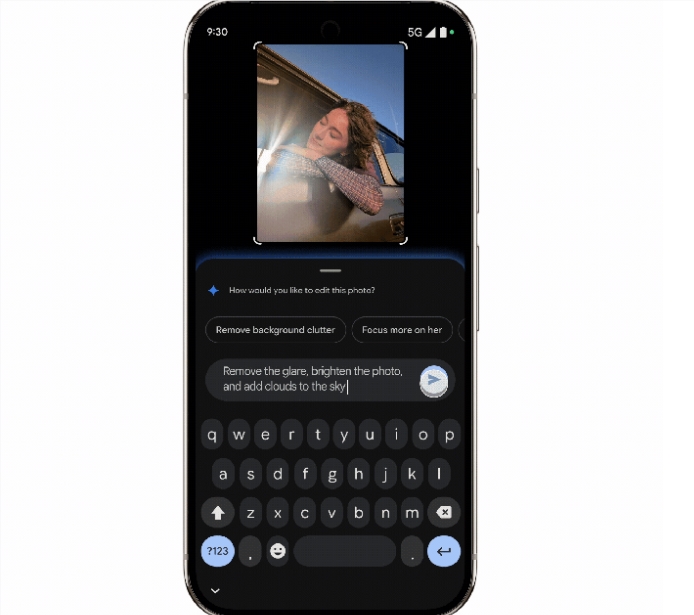
A storm is brewing around Google's latest artificial intelligence offering. The tech giant's Nano Banana image generation tool has landed in hot water following explosive claims from rival company Proton about how it might be using personal photos.
The Allegations
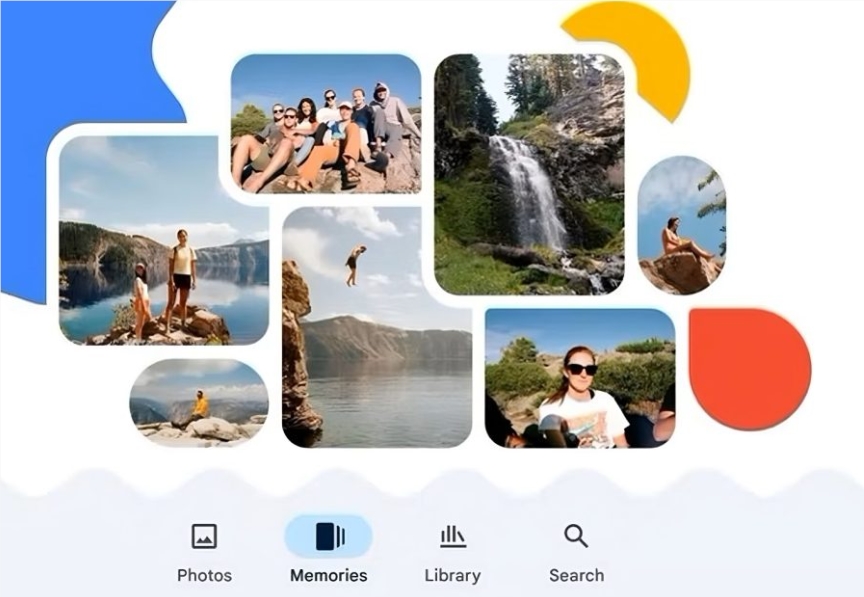
Privacy-focused Proton alleges Google scans images stored in Google Photos to train its AI systems, potentially affecting all 1.5 billion users of the service. "Google AI performs so well because they're scanning every Android user's photo albums," Proton stated in a viral social media post. "They just won't admit it."
The timing couldn't be worse for Google. Nano Banana already faced criticism for creating hyper-realistic images that blur reality, raising ethical questions about AI content.
Google's Response
The company issued a firm denial to Forbes: "We do not use personal data to train generative AI models." However, Google acknowledged its photo service isn't end-to-end encrypted, revealing automated systems scan images primarily to detect illegal content like child exploitation material.
This admission adds fuel to privacy advocates' concerns. Without encryption, technically nothing prevents broader analysis of user photos - even if companies promise otherwise.
The Bigger Picture
The controversy exposes fundamental tensions in our digital lives. As Zak Doffman notes in Forbes, cloud storage inherently means surrendering some privacy control. Services balancing safety features with user trust walk a tightrope - especially when AI enters the equation.
Most users never read lengthy privacy policies governing these platforms. When accusations surface, trust erodes quickly regardless of proof. The Nano Banana situation serves as another wake-up call about understanding what happens to our digital footprints.
Key Points:
- Privacy concerns swirl around Google's Nano Banana AI and photo scanning practices
- Proton alleges unauthorized use of personal images for AI training
- Google denies the claims but confirms lack of end-to-end encryption
- Cloud storage risks come into sharp focus amid growing AI integration