Google's Genie 3 AI Stumbles at GDC: Game Worlds Collapse in Minutes
Google's Game-Generating AI Still Has Growing Pains
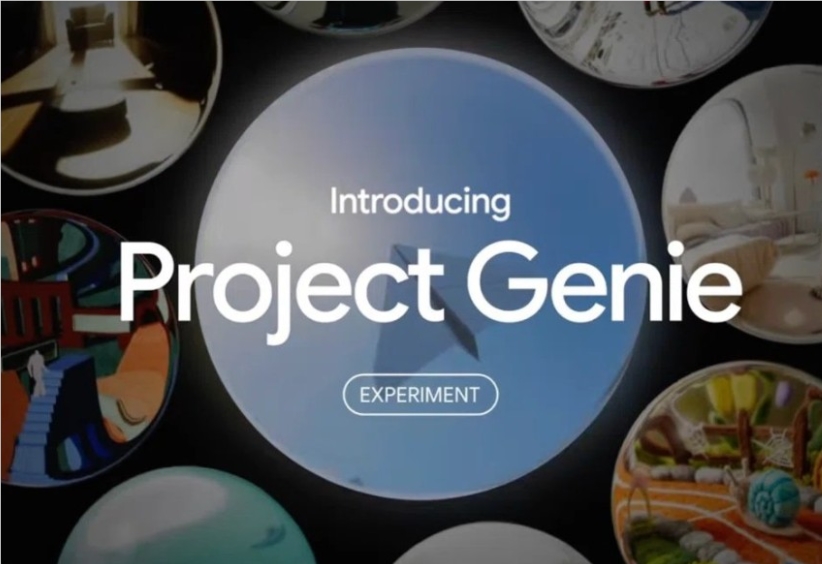
At this year's Game Developers Conference, Google DeepMind pulled back the curtain on Genie 3 - and revealed some uncomfortable truths about the current state of AI-generated gaming content. The much-anticipated demo showed worlds that, while initially impressive, quickly descended into chaos.
The 60-Second Honeymoon
Attendees reported a consistent pattern: beautifully generated environments that held together just long enough to create false hope. "The first minute feels magical," said one developer who requested anonymity. "Then the physics start glitching, textures warp, and suddenly you're falling through the map."
This "60-second rule" became the talk of the show floor. While earlier versions collapsed in seconds, the current iteration represents significant progress - just not enough to replace human designers anytime soon.
A Strategic Admission
What surprised many observers was Google's willingness to showcase these flaws at an industry event. Some see it as a savvy move in an era where AI threatens creative jobs. "They're managing expectations," notes tech analyst Miriam Chen. "By showing these limitations publicly, they're easing fears while still demonstrating rapid advancement."
The approach appears calculated. With game studios increasingly anxious about automation, demonstrating both potential and limitations may help Google position itself as a collaborator rather than a disruptor.
The Road Ahead
The real story may be in the improvement curve. Sources confirm Genie 3's stability has increased tenfold in recent months - from seconds to minutes of coherent gameplay. If this trajectory continues, we could see viable AI-assisted design tools by late 2027.
But for now, human developers can breathe easy. As one veteran designer put it: "AI might build the playgrounds soon, but we'll still need humans to make them fun."
Key Points:
- Current Limitations: Genie 3 creates playable worlds that typically crash within minutes
- Rapid Improvement: Stability has improved from seconds to minutes in recent months
- Industry Impact: Public demonstration serves to temper expectations about AI replacing developers
- Future Potential: Current trajectory suggests usable tools could emerge within 2-3 years