Shanghai Registers 150 AI Models Amid Growing Tech Oversight

Shanghai Tightens Oversight as AI Registry Hits 150 Models

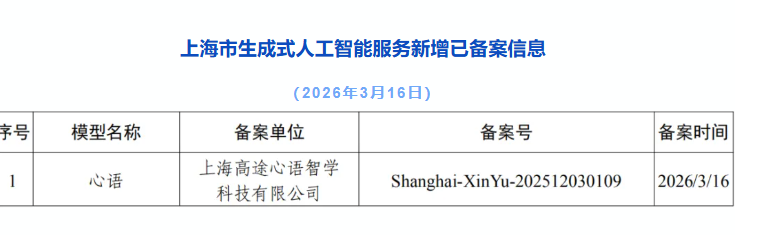
The Shanghai Cyberspace Administration has announced its latest batch of registered generative AI services, with one new model approved this month pushing the city's total to 150 certified artificial intelligence systems. The March 16 filing represents continued progress in China's push to balance technological innovation with regulatory oversight.
Image

Structured Approach to AI Governance

Working closely with other government departments, Shanghai officials conducted the registration process under guidelines established by China's Interim Measures for Generative AI Services Management. The comprehensive approach doesn't stop at direct filings - services that utilize registered models through APIs or provide socially influential capabilities must also complete documentation.

"We're seeing Shanghai establish itself as a model for responsible AI development," noted a tech policy analyst familiar with the regulations. "The dual focus on innovation and accountability could set standards for other cities."

Transparency Requirements Take Effect

The new rules carry significant operational implications:

  • Registered services must prominently display their filing information including model names and registration numbers
  • Developers are required to clearly mark AI-generated content following official identification standards
  • Platforms bear responsibility for ensuring users can easily distinguish artificial from human-created material

The measures aim to address growing public concerns about deepfakes and misinformation while maintaining space for technological advancement.

Building an AI Innovation Hub Responsibly

Shanghai authorities emphasize their commitment to making the city a global leader in artificial intelligence development. "Our goal is creating an environment where groundbreaking AI applications can flourish within clear ethical boundaries," explained a cyberspace administration spokesperson.

The registry system represents Shanghai's latest effort to navigate complex questions about emerging technologies. As one industry observer put it: "Getting this balance right could determine whether China realizes its ambitions in the global AI race."

Key Points:

  • 150 registered models: Shanghai maintains detailed oversight of generative AI services operating in the city
  • Mandatory disclosures: Services must show filing details and identify synthetic content
  • Balanced approach: Regulations seek to encourage innovation while preventing misuse
  • National implications: Shanghai's policies may influence broader Chinese tech governance
Enjoyed this article?

Subscribe to our newsletter for the latest AI news, product reviews, and project recommendations delivered to your inbox weekly.

Weekly digestFree foreverUnsubscribe anytime

Related Articles

News

Bona Films Sets Record Straight: No OpenClaw Plans for Bolu AI

Bona Films has clarified that its Bolu AI short drama platform isn't integrating with OpenClaw, despite market speculation. While the Chinese film giant remains open to exploring new technologies, it's currently focusing on its proprietary AI tools for streamlining content creation. The announcement comes as investors increasingly watch how traditional media companies adapt to AI advancements.

March 17, 2026
AI in entertainmentFilm technologyGenerative AI
Tencent Cloud Shifts Gears: AI Models Move from Free Trials to Paid Plans
News

Tencent Cloud Shifts Gears: AI Models Move from Free Trials to Paid Plans

Tencent Cloud is making waves in the AI industry with a major pricing overhaul. Starting March 13, 2026, several high-performance models will transition from free trials to pay-as-you-go plans. The changes affect popular models like GLM5 and Kimi2.5, while Tencent's own Huan Yuan series gets a pricing makeover. Developers should brace for these shifts as the platform moves toward sustainable AI services.

March 12, 2026
AI PricingTencent CloudGenerative AI
AI Video Pioneer Aishike Secures Major Funding While Launching Game-Changing Real-Time Model
News

AI Video Pioneer Aishike Secures Major Funding While Launching Game-Changing Real-Time Model

Aishike Technology, a leader in AI video generation, has closed its Series C funding round led by Donyi Capital. The company simultaneously unveiled PixVerse R1 - the world's first real-time interactive world model that transforms static video generation into dynamic digital experiences. With over 100 million users already engaging with their platform, this technological leap signals a new era where viewers become active participants in AI-generated worlds.

March 12, 2026
AI VideoInteractive MediaTech Funding
News

Silicon Valley's $125M Fight Against NY Lawmaker Pushing AI Transparency

As midterm elections near, New York congressional candidate Alex Bores finds himself in Silicon Valley's crosshairs for championing AI safety regulations. A tech-backed Super PAC has poured $125 million into attack ads targeting Bores, who successfully pushed through New York's RAISE Act requiring major AI firms to disclose safety plans. The battle highlights growing tensions between tech leaders advocating unfettered AI development and policymakers demanding accountability.

March 4, 2026
AI RegulationTech LobbyingCampaign Finance
OpenAI Snags Coveted GPT.com Domain in Strategic Brand Move
News

OpenAI Snags Coveted GPT.com Domain in Strategic Brand Move

OpenAI appears to have quietly acquired the premium domain GPT.com, which now redirects to ChatGPT's official site. The move mirrors their previous acquisition of Chat.com and suggests a deliberate strategy to control key digital real estate in the AI space. While unconfirmed officially, domain records show GPT.com transferred to OpenAI's preferred registrar, strengthening their brand presence as competition in generative AI intensifies.

March 2, 2026
OpenAIDomain StrategyGenerative AI
News

Disney Flexes Copyright Muscle as Google Bans AI-Generated Characters

Google has quietly pulled the plug on Disney character generation in its Gemini and Nano Banana AI tools following legal pressure. The move highlights growing tensions between tech giants and copyright holders in the AI era. While Disney blocked Google's use of its characters, it's reportedly cutting deals with other AI companies - showing how intellectual property is becoming both weapon and commodity.

February 12, 2026
AI CopyrightDisneyGenerative AI