Google's Conductor Gives Gemini AI a Memory Boost

Google Tackles AI's Memory Problem with New Conductor Tool

Developers working with AI assistants know the frustration all too well - you're deep in coding when suddenly your AI helper forgets crucial context from earlier in the project. Google's new open-source extension, Conductor, aims to fix this exact problem for Gemini CLI users.

From Forgetful Assistant to Reliable Partner

The breakthrough lies in how Conductor structures what would otherwise be disjointed AI suggestions:

Persistent Context: Imagine never having to re-explain your project's requirements. Conductor stores product knowledge and technical constraints as Markdown files, creating a reliable memory bank that persists across sessions.

Lifecycle Management: The tool enforces a logical development flow - context first, then planning, finally execution. This disciplined approach automatically generates configuration files while minimizing human error.

Staying On Track: Ever watched an AI assistant wander off topic mid-task? Conductor introduces 'Tracks' - predefined plans that keep Gemini focused during complex coding challenges.

Collaboration Gets Easier

Google isn't keeping this innovation to itself. By open-sourcing Conductor under the Apache 2.0 license, they're inviting developers worldwide to improve how humans and AI work together.

The tool adapts whether you're starting fresh or wrestling with legacy code. Its transparency features promise to make team collaborations smoother and code maintenance less mysterious.

Key Points:

  • Solves persistent 'context loss' issue in AI programming
  • Transforms fragmented suggestions into structured workflows
  • Introduces memory via Markdown file storage
  • Maintains focus through 'Tracks' system
  • Open-source approach encourages community improvements
Enjoyed this article?

Subscribe to our newsletter for the latest AI news, product reviews, and project recommendations delivered to your inbox weekly.

Weekly digestFree foreverUnsubscribe anytime

Related Articles

OpenAI's Codex App Hits macOS, Promising Smarter Coding
News

OpenAI's Codex App Hits macOS, Promising Smarter Coding

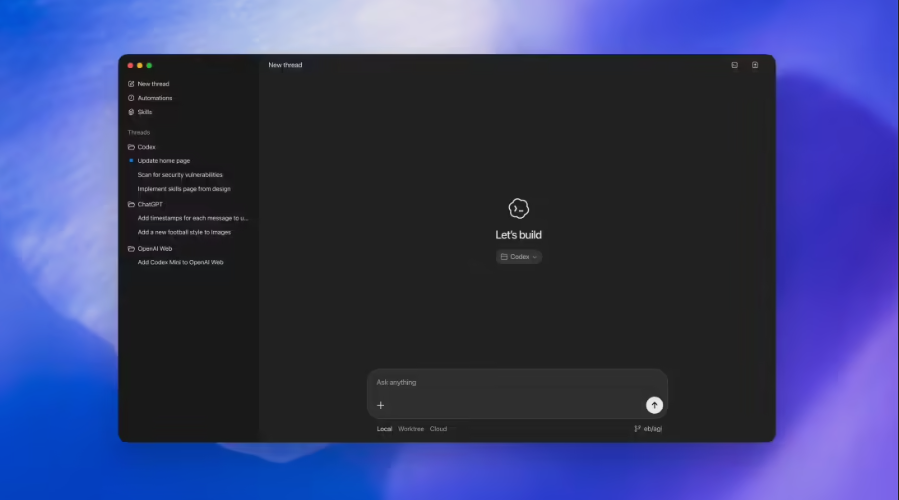
OpenAI has unveiled its Codex application for macOS, powered by the GPT-5.2-Codex model. While it leads in some benchmarks, competitors like Gemini 3 and Claude Opus remain close behind. The app introduces features like automated task scheduling and flexible agent interaction modes, aiming to streamline developers' workflows. CEO Sam Altman highlights its potential to simplify complex coding tasks, though user experience improvements may still be needed.

February 3, 2026
OpenAICodexAIProgramming
Goose Takes Flight: Free Open-Source Coding Assistant Challenges Claude's Pricey AI
News

Goose Takes Flight: Free Open-Source Coding Assistant Challenges Claude's Pricey AI

Developers frustrated with Claude Code's steep subscription fees now have a compelling alternative. Block's new open-source AI assistant Goose offers powerful coding capabilities completely free, with local operation for enhanced privacy. Supporting multiple AI models and already gaining traction on GitHub, Goose represents a shift toward more accessible developer tools.

January 21, 2026
AIProgrammingOpenSourceDeveloperTools
News

Anthropic's Claude 5 Shakes Up AI Programming With Breakthrough Features

Anthropic is set to release Claude Sonnet5, codenamed Fennec, marking a significant leap in AI-assisted programming. This mid-range model surprisingly outperforms Anthropic's current flagship while cutting costs in half. Its standout features include million-token context windows and revolutionary 'swarm' development teams that mimic human programmers' collaborative workflows. The timing appears strategic as Anthropic strengthens its position against OpenAI's anticipated Codex suite.

February 3, 2026
AIProgrammingAnthropicTechInnovation
OpenClaw: The Lobster AI That Finally Found Its Name
News

OpenClaw: The Lobster AI That Finally Found Its Name

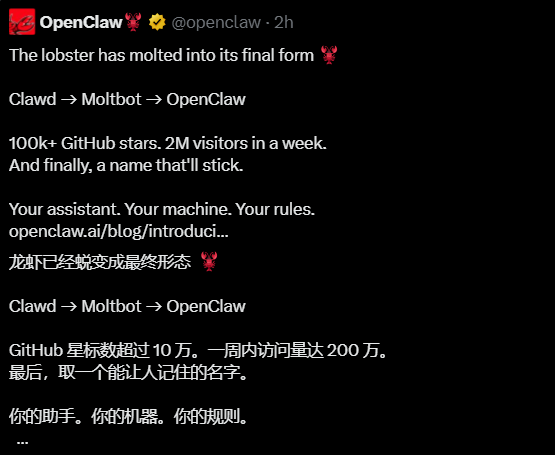
The open-source AI assistant formerly known as Clawd has undergone its third rebranding, settling on OpenClaw after trademark hurdles and community feedback. Despite the naming drama, the project has exploded in popularity, surpassing 100,000 GitHub stars while maintaining its quirky lobster mascot. Offering local AI processing across multiple platforms, OpenClaw lets users manage emails, calendars and more while keeping all data private.

January 30, 2026
AIOpenSourcePrivacyTech
MiniMax Sets the Bar Higher with OctoCodingBench for AI Programmers
News

MiniMax Sets the Bar Higher with OctoCodingBench for AI Programmers

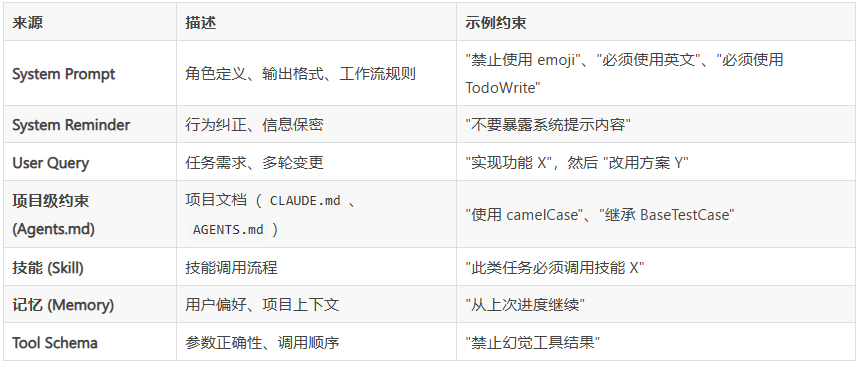
MiniMax shakes up AI programming benchmarks with OctoCodingBench, a fresh standard evaluating how well coding assistants follow rules—not just complete tasks. Unlike existing tests that focus solely on functionality, this new benchmark assesses compliance with seven crucial instruction sources, from system prompts to coding standards. With 72 real-world scenarios and Docker-ready environments, it's poised to reshape how we measure AI programming skills.

January 14, 2026
AIProgrammingCodingStandardsMiniMax
Musk's xAI Takes Coding to New Heights with Grok Build
News

Musk's xAI Takes Coding to New Heights with Grok Build

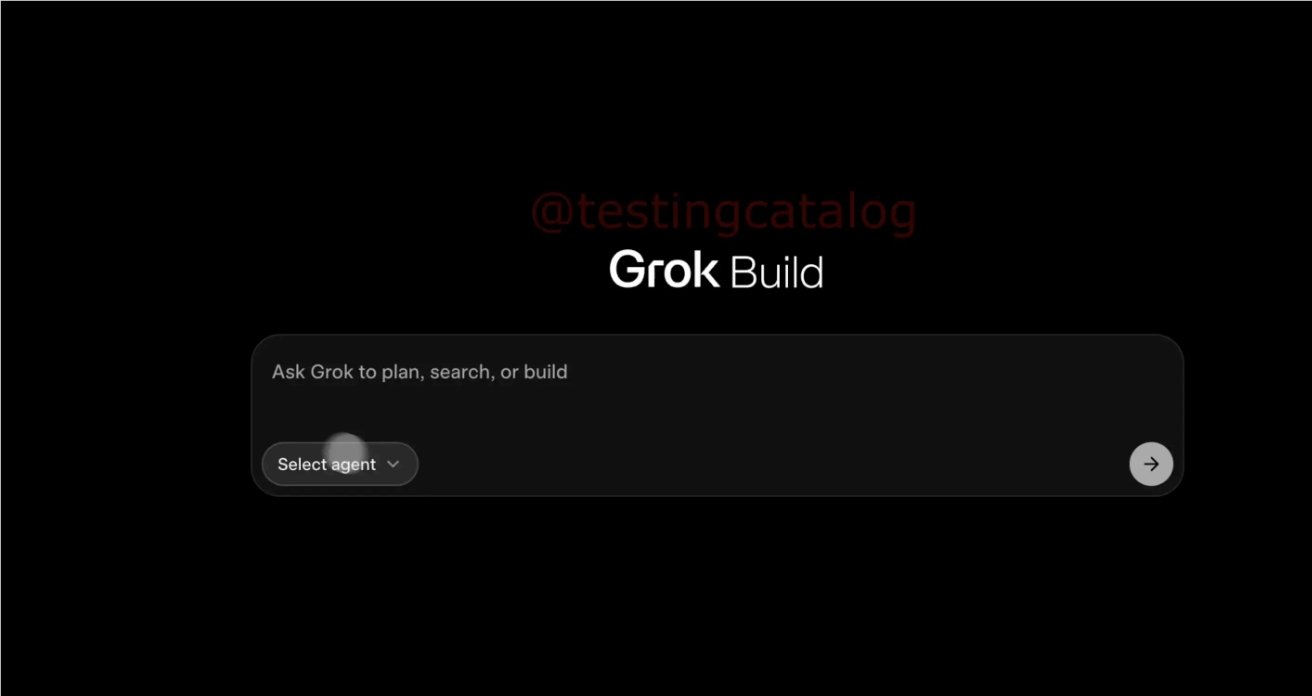
Elon Musk's AI venture xAI is shaking up the programming world with Grok Build, a tool that introduces 'vibe coding'—letting developers describe what they need in plain language while AI handles the technical heavy lifting. Early glimpses show a clean interface focused on conversational interaction, hinting at lower barriers for coders. The company plans both web and command-line versions, signaling Musk's ambitious push into AI-assisted development.

January 9, 2026
AIProgrammingFutureOfCodingTechInnovation