

OpenAI's Codex App Hits macOS, Promising Smarter Coding
OpenAI Brings Codex to macOS Developers
In a move that could reshape how programmers work, OpenAI has launched its Codex application for macOS. The tool integrates the company's latest GPT-5.2-Codex model, designed to boost productivity while squaring off against rival offerings like Claude Code.
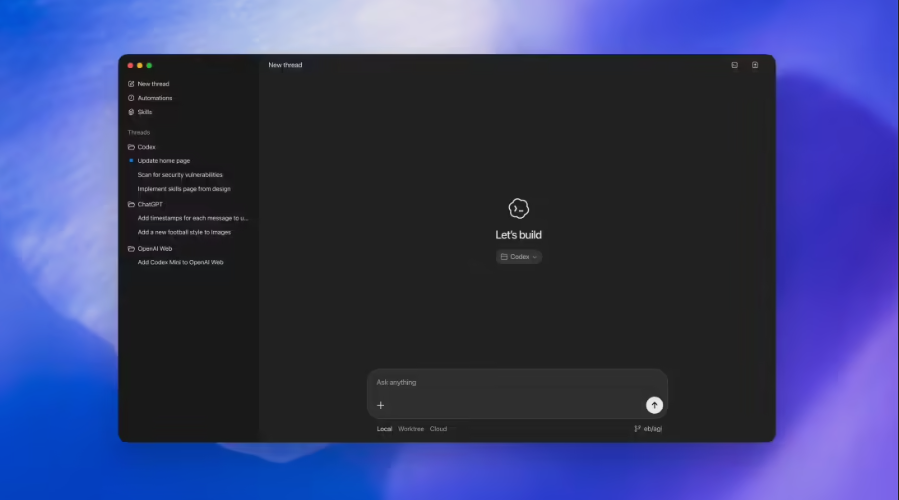
A New Player in the AI Agent Space
The release comes as AI agents see explosive growth. What sets Codex apart? Its ability to run multiple agents simultaneously, combining their strengths for cutting-edge workflows. "For complex development scenarios," OpenAI CEO Sam Altman explained during the launch, "GPT-5.2 stands as our most capable model yet. By packaging this power in a flexible interface, we're making advanced tools accessible to more developers."
Performance: Leading But Not Alone
Benchmark tests paint an interesting picture. While GPT-5.2 tops TerminalBench rankings, its lead over Gemini 3 and Claude Opus remains slim—a reminder that the AI coding assistant race is far from decided. These results suggest users might trade minor performance differences for better usability or integration features.
Features That Could Change Your Workflow
The app introduces several thoughtful innovations:
- Automated task scheduling lets you queue background jobs that collect results automatically
- Customizable agent interactions range from strictly technical to more conversational styles
- Parallel processing enables multiple agents to tackle different aspects of a project simultaneously
Developers can now structure their AI assistance to match personal working styles—whether they prefer bare-bones efficiency or more contextual collaboration.
Key Points:
- OpenAI's Codex app brings GPT-5.2 capabilities to macOS users
- Benchmarks show strong performance but narrow leads over competitors
- Automated scheduling and flexible interaction modes headline new features
- The release signals intensifying competition in AI-assisted development tools