Cursor Snaps Up Graphite to Forge Next-Gen AI Coding Suite
Coding Gets Smarter: Cursor Acquires Graphite
The developer tools landscape just got more interesting. Cursor, the AI-powered code editor gaining traction among programmers, has finalized its acquisition of Graphite - a rising star in AI-assisted code collaboration. The deal, expected to close within weeks, marks a strategic play to dominate the emerging category of intelligent development environments.

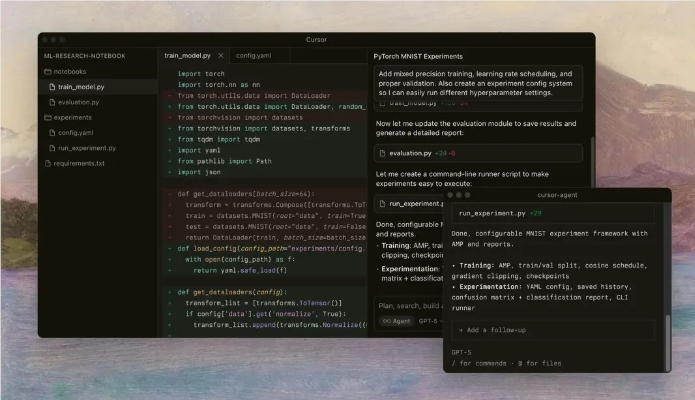
Image source note: The image is AI-generated, and the image licensing service provider is Midjourney.
More Than Just a Merger
What makes this acquisition noteworthy isn't just the coming together of two promising startups, but their shared vision for transforming how developers work. "This isn't about absorbing technology - it's about multiplying capabilities," explains Merrill Lutsky, Graphite's co-founder and CEO who will join Cursor's leadership team.
The arrangement preserves Graphite's operational independence while giving it access to Cursor's resources and large language model expertise. Developers using either platform shouldn't expect radical changes overnight, but the roadmap reveals ambitious integration plans:
- AI Reviewer meets Bugbot: Graphite's code analysis tool will combine forces with Cursor's error detection system
- Shared model improvements: Both platforms will benefit from enhanced AI capabilities
- Unified workflow: The goal is seamless movement from writing to review to deployment
Why This Matters Now
The timing reflects growing demand for intelligent coding assistants that do more than suggest snippets. As projects grow increasingly complex, developers need tools that understand context across the entire development lifecycle - something neither company could deliver alone.
"We kept hearing from users who wanted our review capabilities earlier in their workflow," Lutsky notes. "Meanwhile, Cursor users were asking for better collaboration features post-coding. This partnership answers both needs."
The combined entity aims to challenge traditional IDE providers by offering what they call "context-aware coding" - where AI understands not just syntax but project goals, team patterns and deployment requirements.
What Comes Next?
Integration work begins immediately after deal closure, with initial feature rollouts expected within six months. Existing customers of both platforms can continue using them as-is during the transition.
The tech community will be watching closely whether this merger can deliver on its promise of truly unified AI-assisted development. If successful, it could redefine expectations for modern coding environments.
Key Points:
- Strategic acquisition combines complementary AI coding technologies
- Graphite maintains independence while gaining technical resources
- Product integration focuses on combining review tools and enhancing automation
- Goal: Create end-to-end intelligent development environment
- Existing users won't see immediate disruptions