Cohere Takes on Speech AI Giants with Open-Source Edge Model

Cohere Challenges Tech Titans with Open-Source Speech AI

In a bold move that could reshape the speech recognition landscape, AI company Cohere launched its open-source Transcribe model on March 26. This isn't just another voice-to-text tool—it's a carefully crafted challenger designed to outmaneuver industry giants where it matters most: on everyday devices.

Small Package, Big Performance

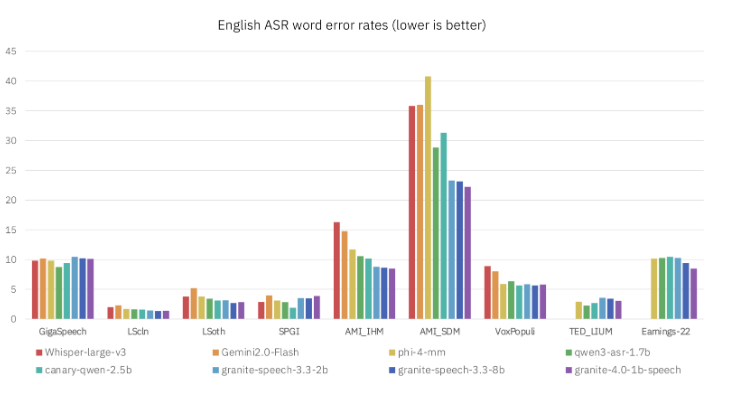
The 2-billion parameter model punches above its weight, delivering accuracy that surpasses offerings from ElevenLabs and Alibaba according to Hugging Face benchmarks. What makes Transcribe special isn't just what it can do, but where it can do it—running natively on smartphones, computers, and industrial hardware without constant cloud calls.

"We're seeing a perfect storm for edge AI," explains industry analyst Maria Chen. "Between privacy concerns and latency demands, enterprises are desperate for solutions that process sensitive voice data locally."

Multilingual Muscle

Transcribe flexes its linguistic capabilities across 14 languages including:

  • Chinese
  • Japanese
  • French
  • Hebrew

The model's compact architecture comes from clever engineering choices rather than capability compromises. By focusing on efficient parameter usage, Cohere achieved what many thought impossible—high accuracy without massive computational overhead.

Strategic Play in the Agent Wars

This release marks Cohere's first major foray beyond its text-generation stronghold. The company confirmed Transcribe will soon integrate with its North agent platform, signaling ambitions to build complete conversational AI systems.

"Voice is becoming the new command line," observes tech journalist David Park. "With Siri-like interactions exploding, every AI player needs ears as good as their brains. Cohere just gave theirs a serious upgrade."

The open-source approach mirrors Meta's playbook—harnessing developer communities to accelerate ecosystem growth while positioning itself against IBM, Alibaba and Zoom's recently launched Companion 3.0.

Key Points:

  • Edge-native design enables local processing on consumer devices
  • Apache 2.0 license encourages broad adoption and customization
  • 14-language support covers major global markets
  • Privacy advantage appeals to healthcare and financial sectors
  • Strategic expansion into voice completes Cohere's AI agent stack
Enjoyed this article?

Subscribe to our newsletter for the latest AI news, product reviews, and project recommendations delivered to your inbox weekly.

Weekly digestFree foreverUnsubscribe anytime

Related Articles

IBM's Granite 4.0 Speech Model: Smaller Size, Bigger Performance
News

IBM's Granite 4.0 Speech Model: Smaller Size, Bigger Performance

IBM has unveiled Granite 4.0 1B Speech, a compact yet powerful multilingual speech recognition model designed for edge computing. Half the size of its predecessor, it delivers improved accuracy while supporting Japanese ASR and English-Chinese translation. The innovative two-stage architecture allows flexible deployment on resource-constrained devices, topping benchmarks with an impressive 5.52% word error rate.

March 16, 2026
IBMspeech recognitionedge computing
News

Hume AI's TADA Brings Lightning-Fast, Hallucination-Free Speech to Your Phone

Hume AI has unveiled TADA, a groundbreaking text-to-speech system that runs efficiently on mobile devices. Unlike traditional models, it eliminates content hallucinations while delivering audio five times faster. What really sets it apart? The ability to generate 700-second audio clips and provide real-time transcriptions simultaneously - no extra processing needed. Early tests show it outperforms larger models in voice quality too.

March 12, 2026
AI speech synthesismobile technologyopen source AI
Kunlun Wanwei's Open-Source Video AI Takes Creativity to New Heights
News

Kunlun Wanwei's Open-Source Video AI Takes Creativity to New Heights

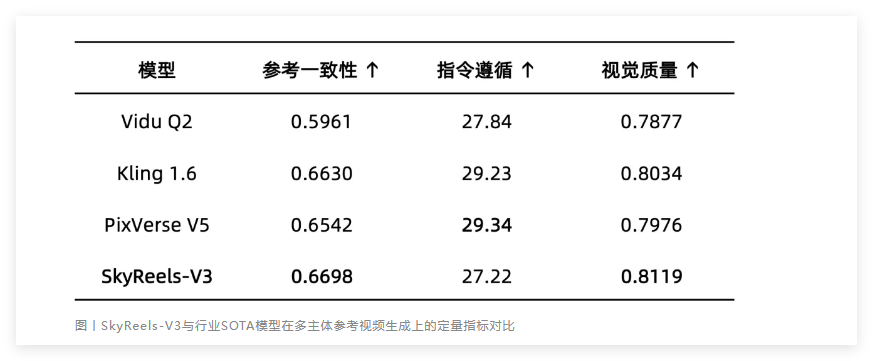
Chinese tech firm Kunlun Wanwei has unveiled SkyReels-V3, an open-source video generation model that's turning heads in the AI community. This versatile tool combines image-to-video conversion, cinematic-style extensions, and lifelike virtual avatars in one package. Early tests show it outperforms commercial rivals in visual quality and consistency. Best of all? It's free to use—for now.

January 29, 2026
AI video generationopen source AImultimodal models
News

Alibaba Cloud's New Image Editor Fixes Annoying Glitches

Alibaba Cloud's Tongyi Lab has unveiled Qwen-Image-Edit-2511, solving pesky image drift problems that frustrated users of earlier versions. The upgrade delivers smoother edits with better structural consistency and detail preservation. Now available as open-source, this tool could revolutionize everything from e-commerce to film editing.

December 26, 2025
AI image editingopen source AIcomputer vision
MiniMax and HUST Open-Source Game-Changing Visual AI Tech
News

MiniMax and HUST Open-Source Game-Changing Visual AI Tech

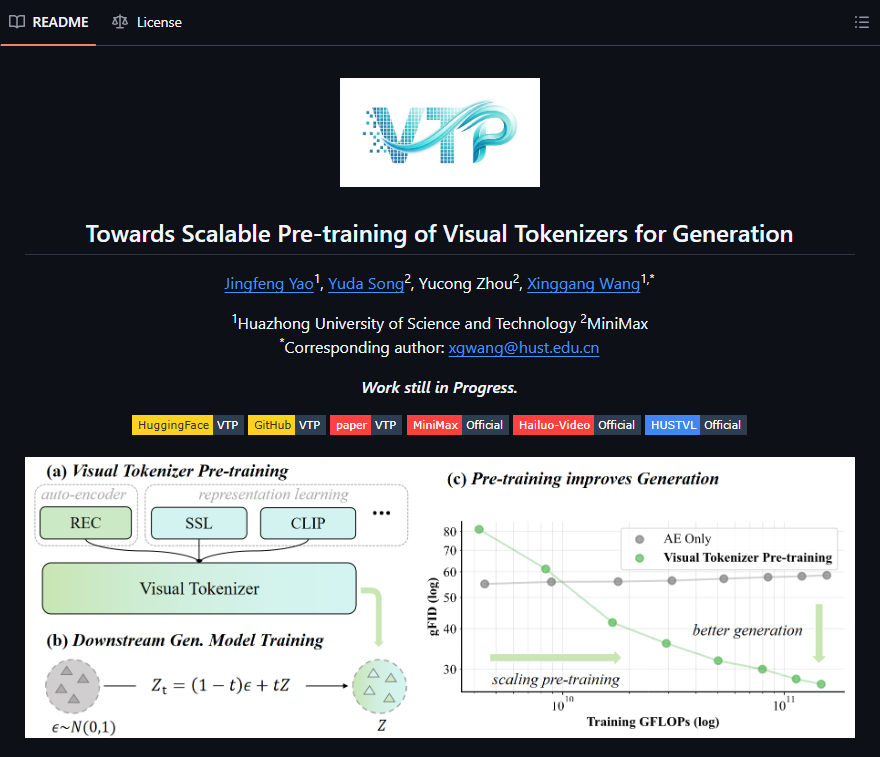
MiniMax and Huazhong University of Science and Technology have made waves by open-sourcing their VTP technology, which boosts image generation performance by nearly 66% without altering core model architecture. This breakthrough challenges conventional wisdom in AI development, proving that smarter optimization can outperform brute-force scaling.

December 24, 2025
AI innovationcomputer visionopen source AI
AI2's Molmo 2 Brings Open-Source Video Intelligence to Your Fingertips
News

AI2's Molmo 2 Brings Open-Source Video Intelligence to Your Fingertips

The Allen Institute for AI has just unveiled Molmo 2, a game-changing open-source video language model that puts powerful visual understanding tools directly in developers' hands. With versions ranging from 4B to 8B parameters, these lightweight yet capable models can analyze videos, track objects, and even explain what's happening on screen. What makes this release special? Complete transparency - you get full access to both the models and their training data, a rare find in today's proprietary AI landscape.

December 17, 2025
AI researchcomputer visionopen source AI