
China Unveils Groundbreaking Standards for Humanoid Robots

China Sets New Benchmark With Humanoid Robot Standards

The robotics landscape just got clearer in China. Today, authorities unveiled comprehensive national standards for humanoid robots - the first of their kind covering every aspect of these advanced machines.

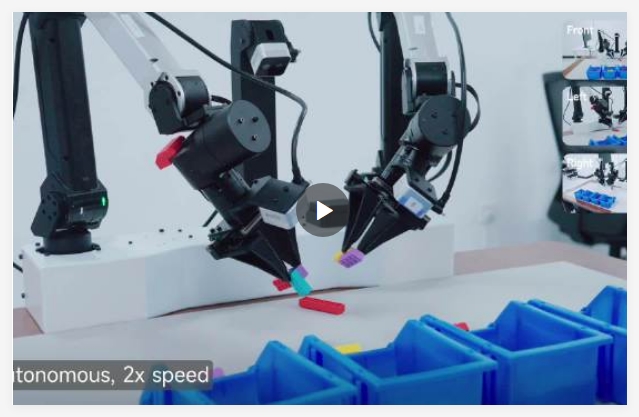
Image

A Framework For The Future

The newly released "Standard System for Humanoid Robots and Embodied Intelligence" tackles six crucial areas:

  • Core foundational elements
  • Brain-inspired computing systems
  • Mechanical components and limbs
  • Complete robotic systems
  • Practical applications
  • Safety protocols and ethical guidelines

What makes this system unique? It doesn't just focus on hardware specifications. The standards address both the "brain" (AI processing) and "body" (physical components) of robots while ensuring ethical considerations remain front and center throughout development.

Solving Industry Growing Pains

The timing couldn't be better. As humanoid robots transition from lab prototypes to real-world solutions, manufacturers have struggled with inconsistent benchmarks. These new standards promise to:

  • Reduce development fragmentation
  • Address critical data shortages
  • Establish clear performance metrics
  • Ensure safe integration into workplaces

The impact could be particularly significant in precision-demanding fields like medical robotics and advanced manufacturing.

Global Implications

With nations racing to lead in robotics technology, China's standardized approach may give domestic developers an edge. The framework encourages collaboration across academia, government labs, and private companies - potentially accelerating breakthroughs.

The standards committee plans further refinements based on industry feedback. Their ultimate goal? Creating an ecosystem where Chinese innovations can compete globally while maintaining rigorous safety protocols.

Key Points:

  • First comprehensive national standards covering humanoid robot development lifecycle
  • Addresses both AI processing ('brain') and mechanical systems ('body')
  • Includes mandatory safety and ethics provisions
  • Expected to boost adoption in healthcare and manufacturing
  • Positions China competitively in the global robotics race
Enjoyed this article?

Subscribe to our newsletter for the latest AI news, product reviews, and project recommendations delivered to your inbox weekly.

Weekly digestFree foreverUnsubscribe anytime

Related Articles

News

Robots Get a Brain Upgrade: ForceGPT Unveils Game-Changing AI Model

In a major leap for robotics, ForceGPT has introduced DM0 - the world's first embodied native AI model designed specifically for robots. Unlike previous adaptations of language models, DM0 was built from the ground up to give machines intuition and learning capabilities. The surprisingly efficient 2.4 billion-parameter model topped global performance rankings while being accessible enough to run on consumer-grade hardware. With full open-source availability and companion development tools, this release could democratize robot development much like Android did for smartphones.

February 11, 2026
roboticsartificial intelligencemachine learning
News

Google Bets Big on Robot Brains With Intrinsic Buy

Google's parent company Alphabet has acquired AI robotics firm Intrinsic, marking a major push into smart manufacturing. The deal gives Google key software tools to make industrial robots smarter and more adaptable. In partnership with Foxconn, the tech giant aims to revolutionize electronics assembly lines with AI-powered automation. This move signals Silicon Valley's growing interest in bringing artificial intelligence out of digital realms and into physical factories.

February 26, 2026
AI roboticssmart manufacturingindustrial automation
News

Hong Kong Launches Pioneering AI Satellite for Smarter Cities

Hong Kong Baptist University has made space history by launching the world's first AI satellite dedicated to urban sustainability. The 'HKBU One' satellite, blasted into orbit from Guangdong, will team up with another Hong Kong satellite to monitor environmental changes and improve city planning across the Pearl River Delta. This breakthrough merges cutting-edge artificial intelligence with space technology to tackle real-world urban challenges.

February 13, 2026
space technologyurban planningartificial intelligence
News

MiniMAX Prepares Global Debut: M2.5 Model Enters Secret Overseas Testing

Chinese AI firm MiniMAX is quietly testing its next-generation M2.5 model overseas before launch, signaling ambitious global expansion plans. The model focuses on intelligent agent capabilities, promising improved task execution and user experience. This strategic move positions MiniMAX to compete internationally while strengthening its technological edge.

February 12, 2026
AI developmentMiniMAXintelligent agents
Xiaomi's Robot Brain Breakthrough Goes Open Source
News

Xiaomi's Robot Brain Breakthrough Goes Open Source

Xiaomi has taken a bold step forward in robotics by open-sourcing its groundbreaking VLA model. This 4.7 billion-parameter 'brain' solves the frustrating lag between robot vision and movement, enabling real-time responses on everyday hardware. The innovative architecture combines language understanding with precise motion control, setting new benchmarks in simulated and real-world tests.

February 12, 2026
roboticsAI innovationopen source technology
News

Panasonic Shakes Up Leadership with New AI-Focused Roles

Panasonic is making bold moves to stay competitive in the tech race by creating two key executive positions: Chief AI Officer and Solution Revenue Officer. Effective April 1, these roles will drive AI integration across operations while boosting profitability through cross-departmental coordination. The restructuring signals Panasonic's serious commitment to leveraging artificial intelligence both internally and for customer solutions.

February 4, 2026
corporate restructuringartificial intelligencebusiness strategy