ChatGPT Steps Into Healthcare as Ant Group's AI Doctor Hits 30 Million Users
The AI Healthcare Boom: ChatGPT Joins Ant Group's Surging Success
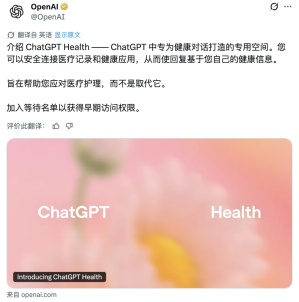
Move over WebMD - artificial intelligence is becoming everyone's new doctor. OpenAI just unveiled ChatGPT Health, marking its official entry into the digital wellness space. The timing couldn't be more strategic: this comes just as Ant Group's Afu application reports staggering growth, hitting 30 million monthly active users mere weeks after its latest update.
Two Paths to Digital Wellness
The new ChatGPT features mirror many of Afu's capabilities:
- Instant health question answering
- Smart device synchronization (think Apple Watch or Fitbit)
- Personalized diet and exercise planning
But there's a crucial difference. While Afu connects users to China's vast medical network - linking 5,000 hospitals and 300,000 doctors for online consultations - ChatGPT Health remains in limited beta testing without these clinical integrations.

Why Everyone Wants an AI Doctor
The numbers tell a compelling story:
- Afu processes over 10 million daily queries
- Globally, 230 million people weekly consult AI about health concerns (OpenAI data)
- User bases for both platforms have doubled recently
"Health has become the killer app for AI," observes tech analyst Li Wei. "People want immediate answers without waiting rooms or web searches. These tools deliver that - plus they remember your medical history better than human doctors."
What Comes Next?
For now, Ant Group maintains its first-mover advantage in China with complete healthcare ecosystem integration. OpenAI appears focused on perfecting its core functionality before wider release. But with telehealth booming worldwide, this competition is just getting started.
The real winners? Patients gaining 24/7 access to medical guidance without leaving home.
Key Points:
- ChatGPT Health launches with basic wellness features
- Ant Group's Afu hits 30M monthly users amid surging demand
- Chinese platform offers full medical service integration
- Global AI health queries now exceed 200M weekly
- Both platforms see user numbers doubling monthly