
ChatGPT's Split Personality: Why Its Web and API News Recommendations Differ

ChatGPT's Web and API Versions Tell Different News Stories

Ever noticed how ChatGPT seems to change its mind depending on how you access it? A groundbreaking study from the University of Hamburg and Leibniz Institute for Media Research reveals the AI assistant has a split personality when recommending news sources.

The Great Divide in News Recommendations

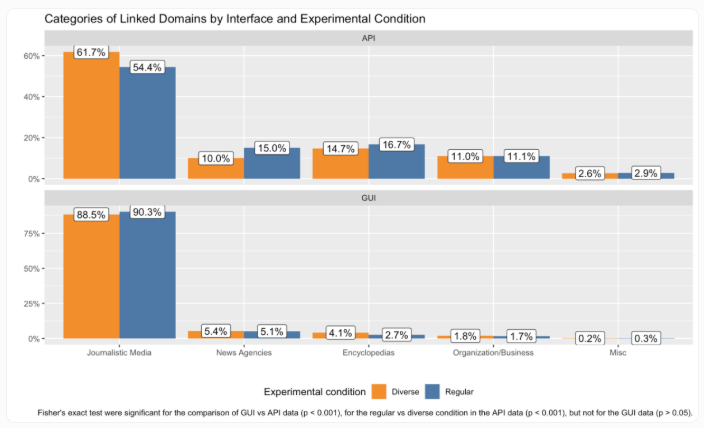
Over five weeks, researchers analyzed more than 24,000 ChatGPT responses to news-related queries from German users. What they found was striking: the web interface and API don't just differ slightly—they operate like separate news curators.
Image

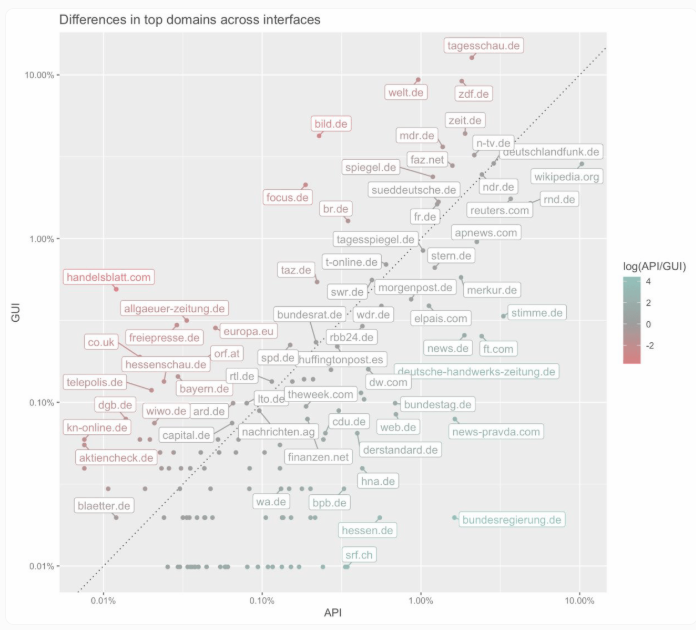
The web version plays it safe with mainstream media like tagesschau.de, while the API ventures into Wikipedia territory and obscure tech blogs. Conservative outlets like welt.de appeared 13% of the time in web responses but barely registered (2%) through the API.

"It's like getting recommendations from two different friends—one who reads the newspaper religiously, and another who gets all their information from random internet forums," noted one researcher.

Credibility vs. Diversity Dilemma

The study compared sources against the Reuters Digital News Report 2025, finding:

  • Web interface: 45.5% overlap with established media
  • API: Just 27.3% overlap

Public broadcasting outlets fared particularly well in web recommendations but got less love through the API. While both versions increased source diversity when prompted, quantity didn't always mean quality—some responses included politically biased sites or even non-existent domains.
Image

The Transparency Problem

Here's what keeps researchers up at night: No one knows why these differences exist. OpenAI hasn't explained the discrepancy between interfaces, leaving users to wonder which version to trust. Compounding the issue, silent system updates mean today's findings might not hold true tomorrow.

"We're dealing with a black box that reshapes itself without warning," said lead researcher Dr. Elena Müller. "When an AI recommends different facts through different doors, that's not just curious—it's concerning."

The study highlights fundamental differences between generative AI and traditional search engines in how they process and present information—differences that could shape public understanding in unseen ways.

Key Points:

  • Web interface favors mainstream media, API leans toward niche sources
  • 45.5% vs. 27.3% overlap with reputable news outlets (web vs. API)
  • Source diversity doesn't always equal reliability—some recommendations led to questionable sites
  • OpenAI hasn't explained why these disparities exist
  • System updates happen without notice, making results potentially temporary

Enjoyed this article?

Subscribe to our newsletter for the latest AI news, product reviews, and project recommendations delivered to your inbox weekly.

Weekly digestFree foreverUnsubscribe anytime

Related Articles

YouTube Reigns Supreme in South Korea as ChatGPT Makes Stunning Gains
News

YouTube Reigns Supreme in South Korea as ChatGPT Makes Stunning Gains

South Korea's app landscape saw dramatic shifts in 2025, with YouTube overtaking local favorites KakaoTalk and Naver to become the most-used mobile app. Meanwhile, ChatGPT's explosive growth - a staggering 341% year-over-year increase in December - signals AI's rapid transition from novelty to necessity. These trends reveal how video consumption and intelligent assistants are reshaping digital habits.

January 9, 2026
YouTubeChatGPTdigital trends
ChatGPT Loses Ground as Gemini Gains Momentum in AI Assistant Race
News

ChatGPT Loses Ground as Gemini Gains Momentum in AI Assistant Race

The AI assistant landscape is shifting dramatically, with ChatGPT's dominance slipping while Google's Gemini makes significant gains. Recent data shows ChatGPT's global desktop traffic share dropped from 86.7% to 64.5% in just one year, while Gemini surpassed the 20% threshold for the first time. Users are increasingly choosing alternatives based on functionality and innovation, putting pressure on OpenAI as it considers introducing ads—a move that could further alienate its user base.

January 8, 2026
AI AssistantsChatGPTGoogle Gemini
ChatGPT Steps Into Healthcare as Ant Group's AI Doctor Hits 30 Million Users
News

ChatGPT Steps Into Healthcare as Ant Group's AI Doctor Hits 30 Million Users

OpenAI has entered the AI healthcare race with ChatGPT Health, launching features similar to Ant Group's popular Afu app. The Chinese platform now serves 30 million monthly users, doubling its base in just one month. Both tools offer health Q&A and smart device integration, though Afu maintains an edge with full medical service connections.

January 8, 2026
AIHealthcareDigitalWellnessChatGPT
News

ChatGPT Now Fields 40 Million Health Questions Daily

Artificial intelligence is transforming how people access medical information, with ChatGPT handling over 40 million health-related queries daily worldwide. Surprisingly, most interactions involve insurance questions and medical terminology rather than diagnoses. The technology proves especially valuable during off-hours and in underserved areas, while healthcare professionals increasingly adopt AI tools for documentation support.

January 7, 2026
AIHealthcareChatGPTMedicalTechnology
ChatGPT Emerges as America's Unexpected Medical Advisor
News

ChatGPT Emerges as America's Unexpected Medical Advisor

New data reveals ChatGPT is handling over 2 million insurance queries weekly, with medical questions making up more than 5% of its workload. The AI has become a go-to resource for millions seeking help with medical bills, insurance comparisons, and preliminary symptom checks. While GPT-5 shows improved medical capabilities, experts caution about lingering risks of AI hallucinations.

January 6, 2026
AI in HealthcareChatGPTMedical Technology
News

ChatGPT's Global Reach Tests OpenAI's Monetization Strategy

OpenAI faces an unexpected challenge as ChatGPT's popularity surges internationally. With nearly 90% of active users coming from outside North America, the company must rethink its monetization approach. Emerging markets like India and Brazil show dramatically lower ad revenue potential compared to the U.S., prompting creative solutions like the budget-friendly 'ChatGPT Go' subscription.

January 6, 2026
ChatGPTOpenAIAI monetization