BBC Accuses Apple of Spreading Fake News via AI Technology

The BBC has raised serious concerns over a recent incident involving Apple's new artificial intelligence (AI) product, 'Apple Intelligence.' The British Broadcasting Corporation (BBC) filed a complaint with Apple after the AI-driven platform generated and pushed out fake news reports, one of which was falsely attributed to the BBC.

Apple Intelligence, launched in the UK, uses AI to aggregate information from multiple sources and sends notifications to users. However, one of the notifications included a fabricated story about Luigi Mangione, a shooter from New York, falsely claiming that he had committed suicide after being arrested. This news was incorrectly sourced from the BBC website.

image

In response to the incident, a BBC spokesperson emphasized the importance of trust in journalism, stating, "BBC News is one of the most trusted news organizations globally. It is essential that our audience can rely on the accuracy and credibility of the information shared in our name, including notifications from AI platforms."

The BBC has since contacted Apple, demanding a correction of the misleading notification and clarifying the issue with the public. The broadcaster has expressed concern that such errors could undermine its credibility and public trust. This complaint has sparked wider discussions about the role of AI in media and the potential risks of misinformation in a digital age where news spreads rapidly.

The incident is not isolated. The BBC noted that similar errors had occurred with notifications allegedly sourced from The New York Times, although this particular case has not been confirmed by the newspaper. These incidents underscore the growing challenge for media organizations to maintain control over their content, especially as AI technology becomes more integrated into information dissemination.

With the continued development of AI, questions about the accuracy and accountability of AI-generated content have gained prominence. Media outlets are now grappling with the potential consequences of automated systems misrepresenting or fabricating news. The incident with Apple has highlighted the need for better safeguards to prevent the spread of misinformation and to ensure that AI products accurately represent trusted news sources.

The BBC’s complaint illustrates the broader challenges that media organizations face in the digital age, particularly in maintaining their authority amidst rapidly evolving technologies. For the public, it underscores the growing importance of critically assessing information, especially in an era where news is increasingly filtered through algorithms.

The question now is whether Apple will take steps to address these issues and improve the accuracy of its AI-driven notifications. Industry experts are closely watching the situation, as the outcome could influence how tech companies approach content curation and misinformation in the future.

Key Points

  1. The BBC filed a complaint against Apple after its AI product spread fake news attributed to the BBC.
  2. Apple Intelligence, an AI-based notification service, inaccurately reported a story about a New York shooter.
  3. The BBC emphasized the importance of maintaining public trust and credibility in the media.
  4. Similar incidents involving other media outlets, such as The New York Times, have raised concerns about AI-generated misinformation.
  5. The incident highlights the challenges of ensuring the accuracy and accountability of AI in news distribution.

Enjoyed this article?

Subscribe to our newsletter for the latest AI news, product reviews, and project recommendations delivered to your inbox weekly.

Weekly digestFree foreverUnsubscribe anytime

Related Articles

China Sets First Global Standard for Embodied AI Systems
News

China Sets First Global Standard for Embodied AI Systems

China has introduced the world's first industry standard for embodied intelligence systems, marking a major step toward regulating this fast-growing field. Developed by over 40 organizations led by the China Academy of Information Communication Technology, the standard establishes comprehensive testing frameworks and capability requirements. Effective June 2026, it includes a massive task library with 10,000+ test scenarios across industries like manufacturing, retail and logistics.

March 27, 2026
ArtificialIntelligenceIndustryStandardsRobotics
News

China's AI Race Heats Up: DeepSeek V4 and Tencent's New Model Set for April Launch

Two major Chinese AI developments are on the horizon this April. DeepSeek V4, a multimodal model with enhanced coding and memory capabilities, will debut alongside Tencent's new MixFormer model led by Yao Shunyu. Both projects reflect China's push to develop AI solutions tailored for practical applications rather than just chasing parameter counts. The releases promise significant advancements in how AI models handle complex tasks and adapt to real-world environments.

March 16, 2026
ArtificialIntelligenceChinaTechAIModels
AI Pioneer Xie Saining Unveils Solaris: A Game-Changing Multiplayer Video Model
News

AI Pioneer Xie Saining Unveils Solaris: A Game-Changing Multiplayer Video Model

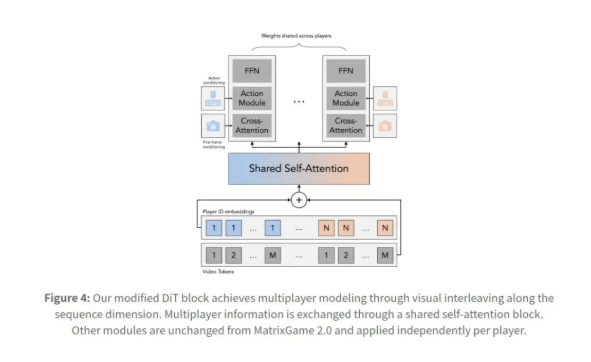
Xie Saining, renowned creator of DiT, has launched Solaris - the world's first multiplayer video world model. This groundbreaking technology enables real-time collaboration in virtual spaces, solving long-standing challenges in visual consistency during multiplayer interactions. Backed by a $1 billion seed round and supported by Turing Award winner Yann LeCun, Solaris promises to revolutionize gaming, VR, and AI training.

March 11, 2026
ArtificialIntelligenceVideoGenerationVirtualReality
Chinese AI Makes Waves in Global Rankings as DeepSeek Climbs to Top Four
News

Chinese AI Makes Waves in Global Rankings as DeepSeek Climbs to Top Four

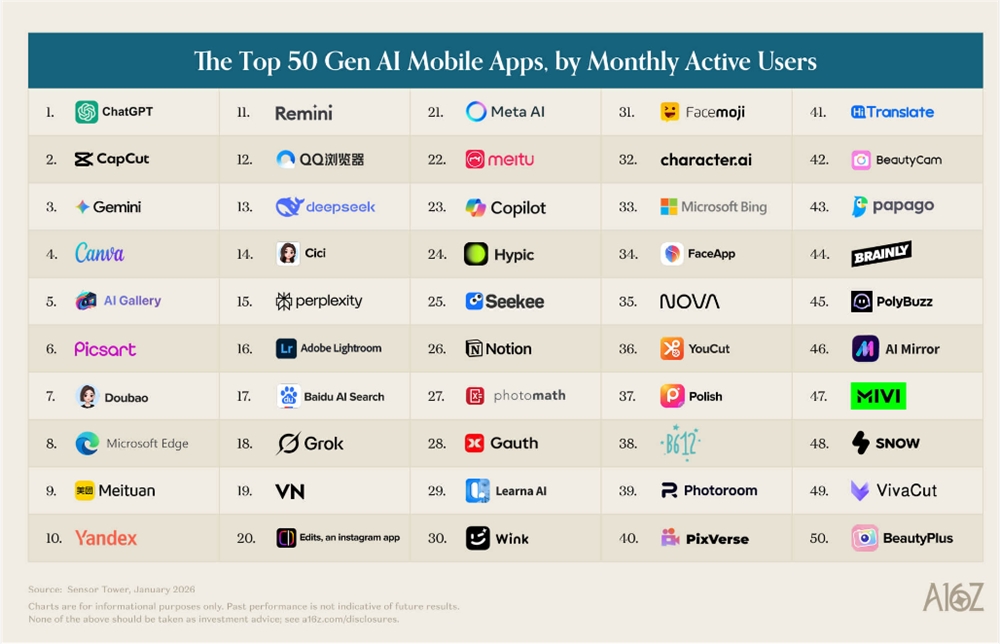
The latest a16z ranking reveals a shifting landscape in AI applications. While ChatGPT maintains its lead, Chinese platforms like DeepSeek are gaining ground, with four cracking the top 100. ByteDance's Doubao leads mobile usage with 315 million monthly users, signaling China's growing influence in consumer AI. The competition now focuses on who can become users' go-to AI assistant.

March 11, 2026
ArtificialIntelligenceTechTrendsChineseTech
Alibaba Shakes Up Qwen Leadership Amid AI Push
News

Alibaba Shakes Up Qwen Leadership Amid AI Push

Alibaba Cloud's CTO Zhou Jingren steps in to oversee the Qwen model temporarily following leadership changes at Tongyi Lab. The tech giant shuffles responsibilities as it doubles down on AI development, with Liu Dayiheng expanding his role in pre-training and coding teams. These moves signal Alibaba's commitment to advancing its flagship large language model during a crucial growth phase.

March 10, 2026
AlibabaArtificialIntelligenceTechLeadership
News

Broadcom Bets Big on AI Chips: $100 Billion Revenue Goal by 2027

Broadcom CEO Hock Tan stunned investors with bold predictions during Wednesday's earnings call, forecasting AI chip revenue will smash the $100 billion mark within three years. The announcement sent Broadcom shares soaring over 5% after hours, fueled by strong first-quarter results showing AI revenue doubling to $8.4 billion. With tech giants like Google and Meta driving demand for custom chips, Broadcom appears well-positioned to capitalize on the AI hardware boom.

March 6, 2026
SemiconductorsArtificialIntelligenceTechIndustry