Apple's Tiny AI Model Outshines GPT-5 in Design Tasks
How Apple Taught a Small AI to Beat the Big Players in Design
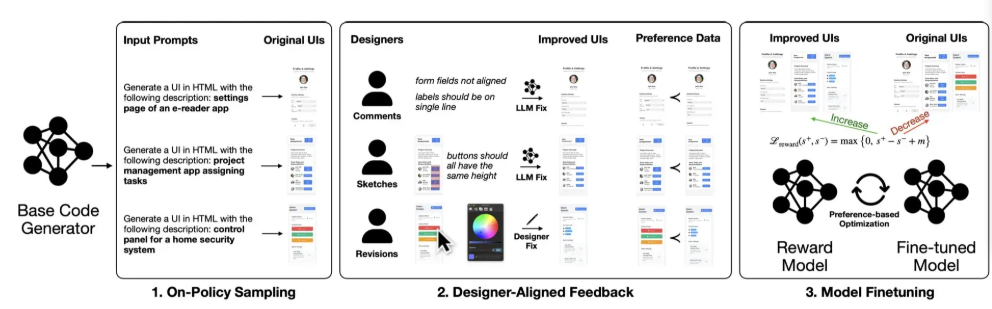
In an unexpected twist, Apple's research team has demonstrated that size doesn't always matter when it comes to artificial intelligence. Their work shows that with the right training approach, even smaller AI models can outperform industry giants like GPT-5 in specialized tasks - particularly in the subjective world of interface design.
The Problem With Pretty Machines
For years, AI-generated interfaces have suffered from what designers call "functional but ugly" syndrome. The layouts work, but they lack that human touch that makes them visually appealing. Traditional training methods using numerical scores simply couldn't capture the nuance of good design.
"Scoring systems are too blunt," explains Dr. Lisa Chen, lead researcher on the project. "A number can't explain why one layout feels balanced while another looks cluttered."
The Human Touch Solution
Apple's breakthrough came when they brought 21 senior designers into the training process. Instead of just rating designs, these professionals provided:
- Detailed annotations explaining their thought process
- Hand-drawn sketches showing improvements
- Direct modification suggestions on existing layouts
The team collected 1,460 of these "design diaries" - rich visual feedback that captured professional intuition in a way numbers never could.
Surprising Results From Small Packages
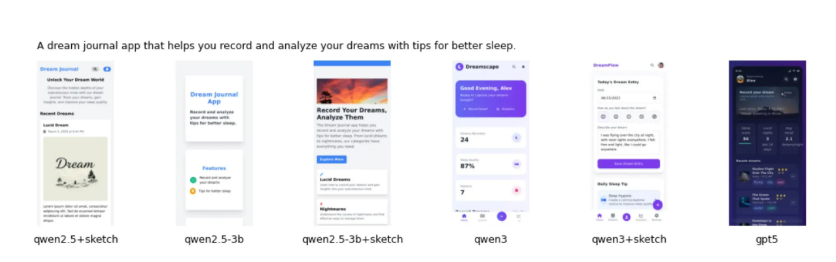
The real shock came when researchers applied this feedback to Qwen3-Coder, a relatively small AI model. With just 181 sketch-based training samples:
- Evaluation consistency jumped from 49% to 76%
- Subjective bias decreased significantly
- The model surpassed GPT-5 in both logic and aesthetics
"Visual feedback cuts through the subjectivity problem," notes Chen. "When designers can show rather than tell what works, the AI learns faster and better."
What This Means for Design's Future
The implications extend beyond Apple's labs:
- Specialized beats general: Smaller models trained on niche expertise can outperform larger ones
- Quality over quantity: A few hundred rich samples proved more valuable than thousands of simple ratings
- Human-AI collaboration: This approach preserves designer intuition while automating execution
The research suggests we may be entering an era where targeted, human-trained AIs outperform their bigger but less specialized counterparts in creative fields.
Key Points:
- Apple's Qwen3-Coder now beats GPT-5 at UI design tasks after specialized training
- Professional designers' sketches and annotations proved far more effective than numerical scores
- Just 181 visual feedback samples dramatically improved the AI's performance
- The breakthrough shows how human expertise can supercharge smaller AI models