AI Model DiffSMol Accelerates Drug Discovery with 5x Success Rate

A breakthrough in pharmaceutical research has emerged from The Ohio State University, where scientists have unveiled DiffSMol, a generative AI model capable of producing viable drug candidates in just three seconds. Published on May 12, this innovation boasts a remarkable 61.4% success rate—a fivefold improvement over traditional methods that typically achieve only 12%.

Image

How DiffSMol Works

The model analyzes the 3D structures of known ligands—molecules that bind to protein targets—and generates novel molecular configurations with optimized binding properties. Unlike conventional computational approaches that take hours or days, DiffSMol produces each candidate molecule in under one second. Early tests focusing on proteins like CDK6 (linked to cancer treatment) and NEP (relevant to Alzheimer’s disease) showed promising results, with generated molecules outperforming existing ligands.

Open-Source Accessibility

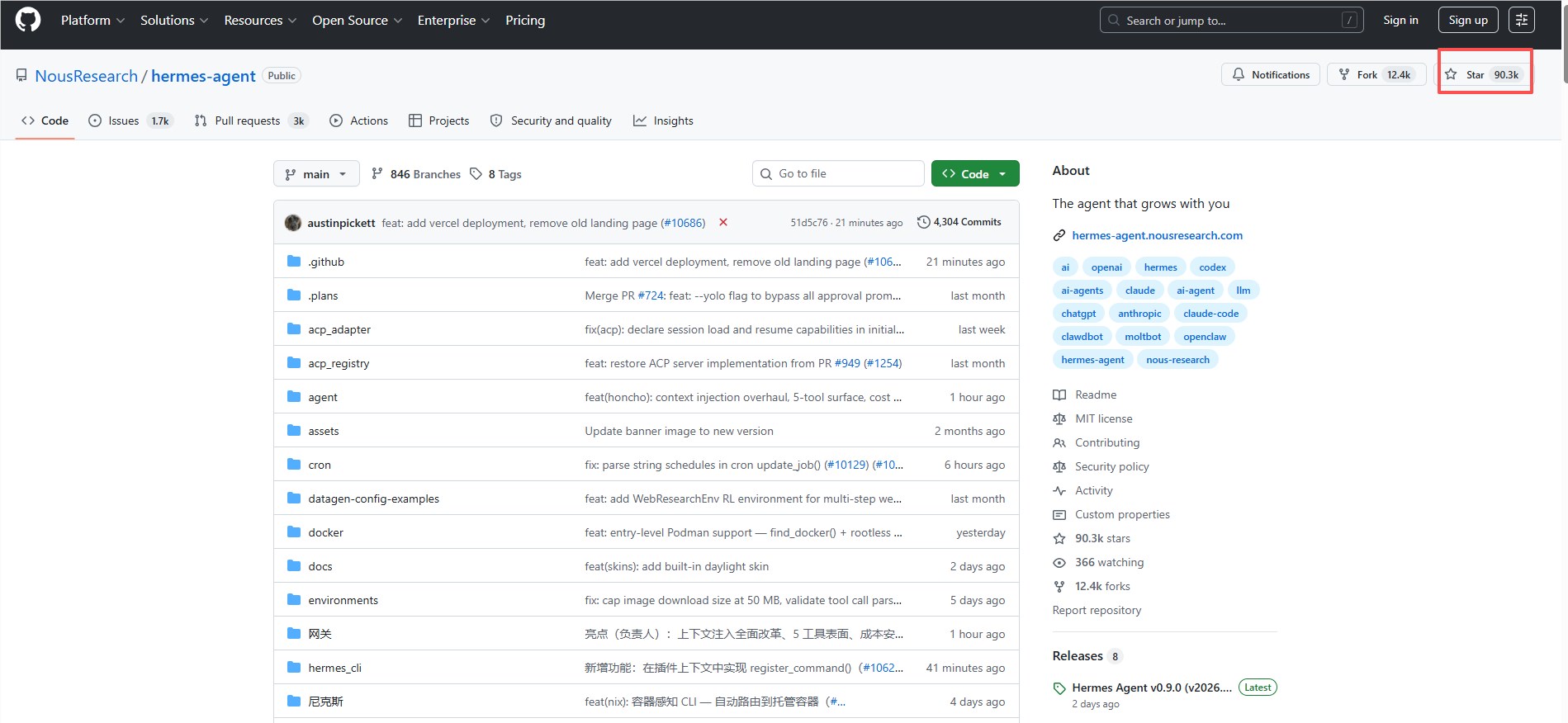
In a move that could democratize drug discovery, the research team has made DiffSMol’s code and datasets publicly available on GitHub. This open-access approach is particularly valuable for smaller labs, as the model runs efficiently on standard hardware. Funding from institutions like the National Science Foundation underscores its potential to transform global research collaboration.

Current Limitations and Future Goals

While revolutionary, DiffSMol currently relies on known ligand data and cannot yet design molecules entirely from scratch. The team plans to integrate multimodal data—such as protein interactions and gene expression—to overcome this hurdle. Industry analysts suggest such advancements could slash drug development timelines by 30% within five years.

The Bigger Picture

DiffSMol arrives amid a surge of AI applications in pharmaceuticals. Since AlphaFold’s 2021 breakthrough in protein folding prediction, generative AI has reduced drug discovery costs from billions to millions of dollars in some cases. Unlike proprietary systems, DiffSMol’s open-source framework sets it apart as a tool for both academic and commercial researchers.

Key Points

  1. Generates drug candidates in seconds with a 61.4% success rate
  2. Open-source model lowers barriers for global research teams
  3. Demonstrated efficacy against cancer and Alzheimer’s-related proteins
  4. Future updates aim to enable full de novo molecular design
Enjoyed this article?

Subscribe to our newsletter for the latest AI news, product reviews, and project recommendations delivered to your inbox weekly.

Weekly digestFree foreverUnsubscribe anytime

Related Articles

India's Alpie AI Model Makes Waves - But Is It Truly Homegrown?
News

India's Alpie AI Model Makes Waves - But Is It Truly Homegrown?

A new AI contender from India called Alpie is turning heads with performance that rivals giants like GPT-4o and Claude3.5 in math and coding tests. However, technical analysis reveals it's actually built on a Chinese open-source model, raising questions about innovation versus optimization. What makes Alpie special is its ability to run efficiently on consumer hardware, potentially democratizing AI access for smaller developers.

January 15, 2026
AIMachine LearningIndia Tech
Mugen3D Turns Single Photos Into Stunning 3D Worlds
News

Mugen3D Turns Single Photos Into Stunning 3D Worlds

A groundbreaking AI tool called Mugen3D is transforming how we create 3D content. Using advanced 3D Gaussian Splatting technology, it can generate remarkably realistic models from just one image - capturing textures, lighting, and materials with astonishing accuracy. This innovation promises to democratize 3D creation across industries from gaming to e-commerce.

January 12, 2026
AIComputerGraphicsDigitalCreation
Alibaba's Qwen Dominates AI Landscape With Record Downloads
News

Alibaba's Qwen Dominates AI Landscape With Record Downloads

Alibaba's Qwen large language model has surged ahead in global adoption, amassing over 700 million downloads—more than the combined totals of Meta, OpenAI and other major competitors. Its comprehensive open-source approach and versatile applications have propelled Chinese AI development to new heights on the international stage.

January 9, 2026
Artificial IntelligenceOpen SourceTech Innovation
News

Qualcomm and Google Join Forces to Revolutionize Car Tech with AI

Qualcomm and Google are teaming up to tackle one of the automotive industry's biggest headaches: fragmented in-car systems. Their new 'Automotive AI Agent' combines Qualcomm's Snapdragon Digital Chassis with Google's Android Automotive OS, promising smoother development and smarter features like facial recognition. The partnership also introduces cloud-based development tools that could cut R&D time significantly. This collaboration marks a major step toward more unified, intelligent vehicle systems.

January 9, 2026
automotive-techAIsmart-cars
Meta's Spatial Lingo Turns Your Living Room Into a Language Classroom
News

Meta's Spatial Lingo Turns Your Living Room Into a Language Classroom

Meta has unveiled Spatial Lingo, an innovative open-source Unity app that transforms everyday objects into language learning tools. Using mixed reality technology, the app guides users through vocabulary practice with items in their immediate environment. Developers can explore Meta's SDKs through practical examples while creating engaging educational experiences. The project showcases how AR can make language learning more immersive and contextually relevant.

January 8, 2026
Augmented RealityLanguage LearningMeta
News

Bosch Bets Big on AI with €2.5 Billion Push Into Smart Cars

At CES 2026, automotive giant Bosch unveiled plans to invest over €2.5 billion in AI development by 2027, targeting smarter cockpits and safer autonomous driving systems. The German supplier aims to transform from hardware specialist to software leader, projecting its tech division could hit €10 billion in sales by the mid-2030s.

January 7, 2026
BoschAIautonomous vehicles