AI App Creation Goes Mainstream as Lingguang Users Build 3.3 Million Mini Tools
The DIY AI Revolution: How Ordinary People Are Building Millions of Apps
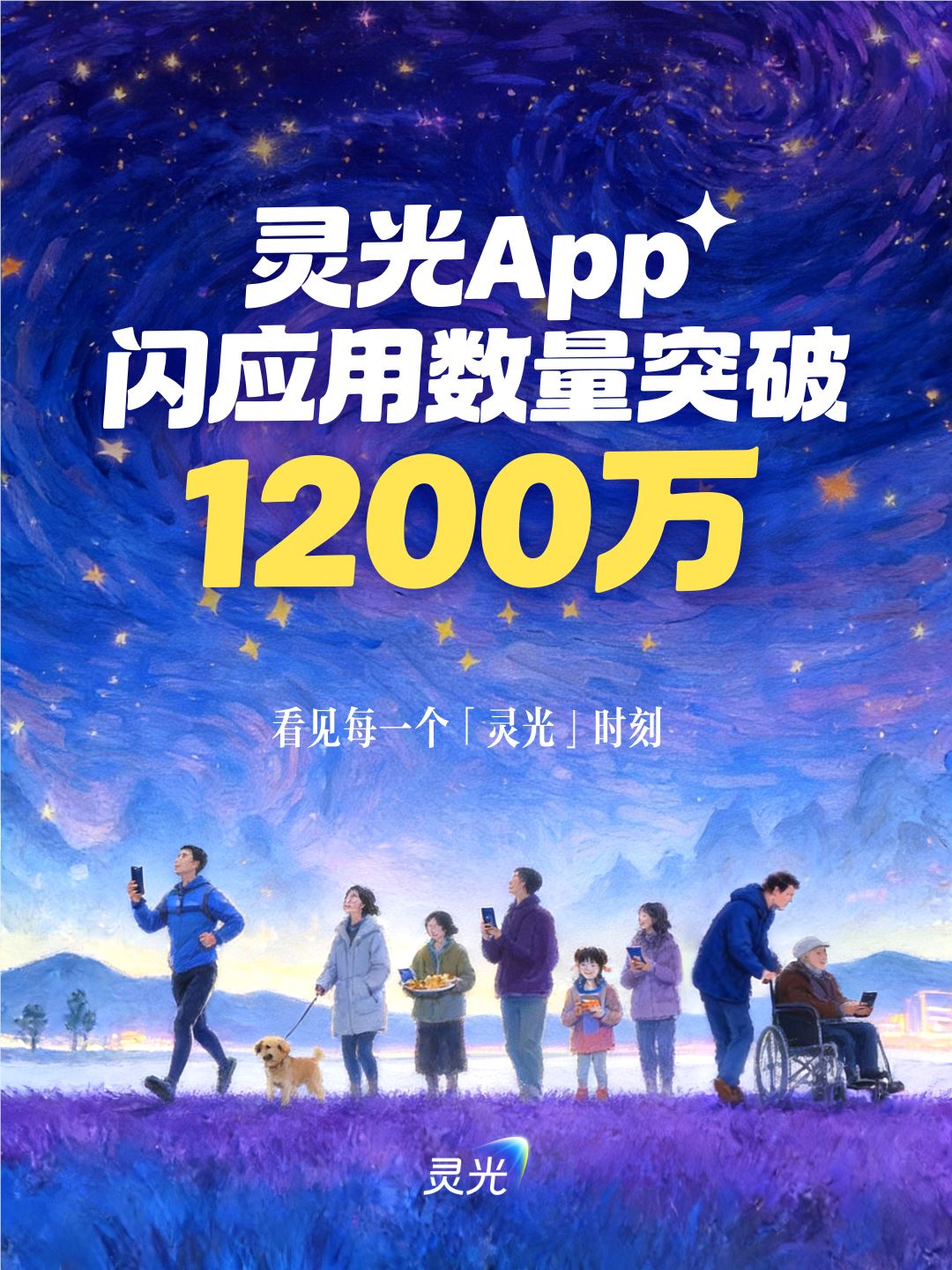
Move over, Silicon Valley coders - there's a new wave of app developers in town. Ant Group's Lingguang AI assistant has become the unlikely hero of this grassroots tech movement, empowering users to create 3.3 million personalized mini-applications in just fourteen days.
From Concept to Creation in 30 Seconds
The secret sauce? Lingguang's breakthrough natural language interface lets anyone craft functional apps through simple conversation. Want a custom meal planner? Describe it like you're texting a friend. Need a workout tracker? Just ask.
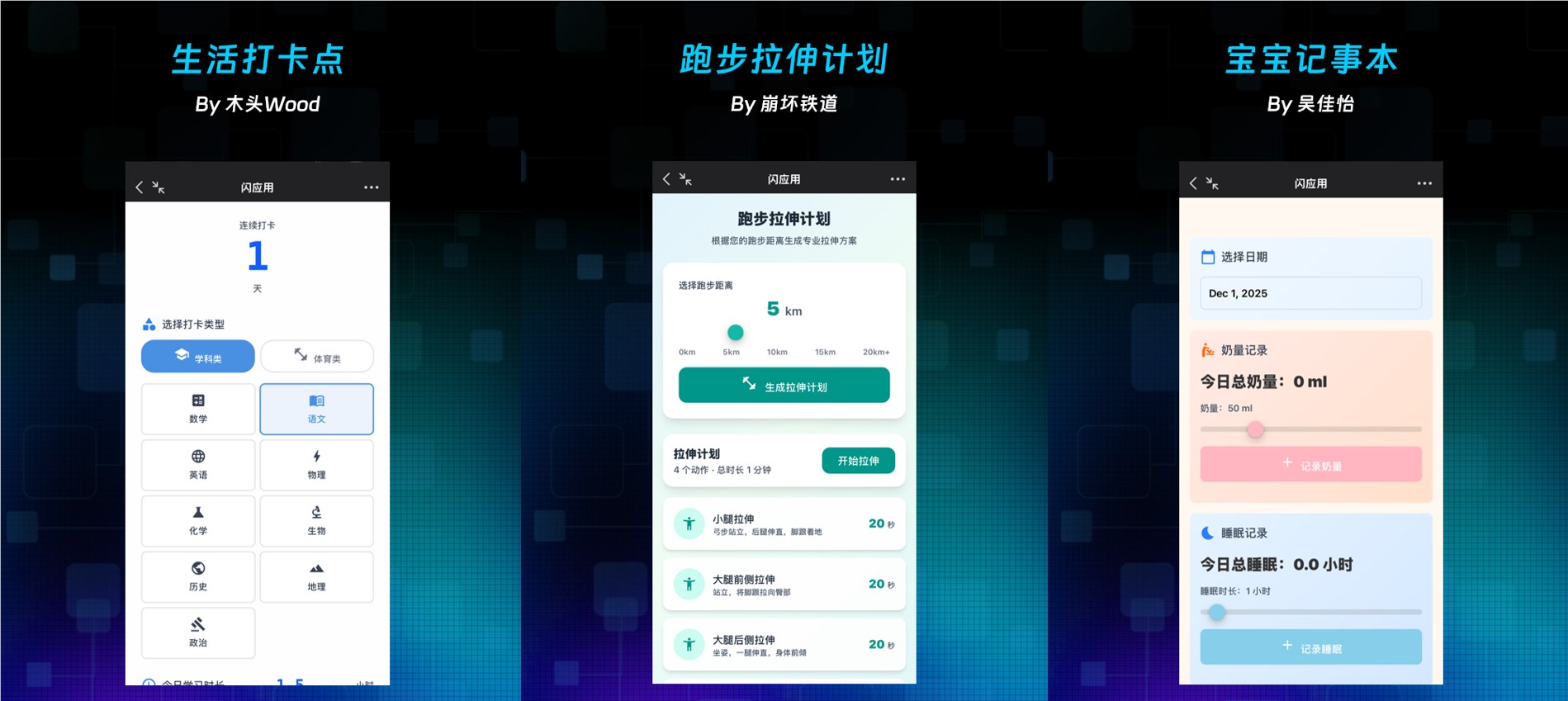 (Figure: Flash Apps created by Lingguang users - Life Tracker, Running Stretch Plan, Baby Notes)
"What started as novelty has become necessity," observes tech analyst Li Wei. "People aren't just playing with AI - they're solving real problems." The most popular creations fall into five practical categories:
- Entertainment: Interactive games and stress-relief tools
- Daily helpers: Smart to-do lists and countdown timers
- Education: Language practice bots and exam prep aids
- Health: Calorie counters and personalized fitness plans
- Lifestyle: Travel organizers and even food roulettes
The platform reveals surprising creativity too. Some users have spent hours refining single applications through 100+ iterations, while others attempt ambitious clones of major platforms like Alipay or WeChat.
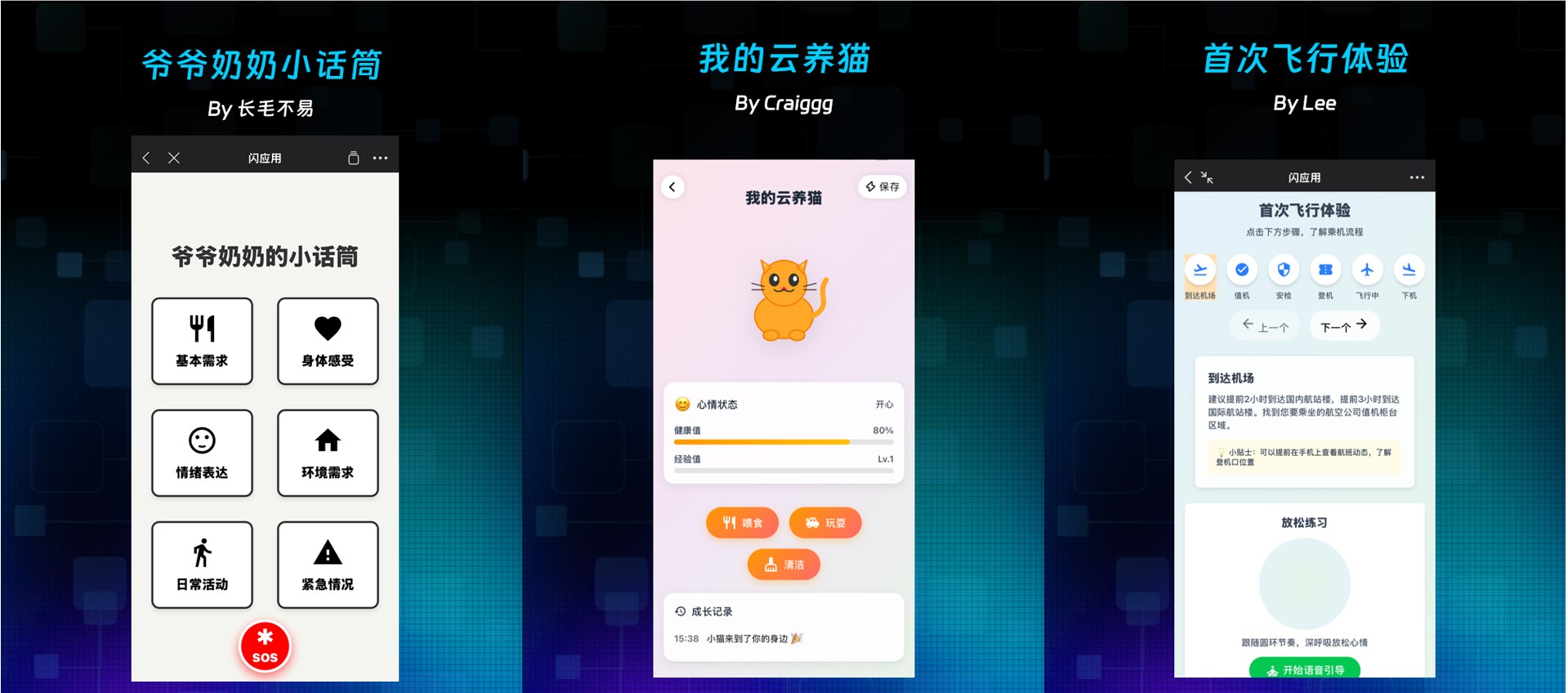 (Figure: Flash Apps created by Lingguang users - Grandpa and Grandma's Mini Microphone, Cloud Cat Raising Simulator, Flight Process Simulator)
Why This Changes Everything
Lingguang's meteoric rise tells an important story about AI adoption:
- It took just 4 days to reach 1 million users - faster than Sora2's 5-day record
- Initial downloads surpassed ChatGPT's first-week numbers by 230%
- The average user creates 4-5 apps, suggesting genuine utility beyond novelty The implications are profound. When grandmothers can build microphone apps for their choir practice and students can whip up exam simulators before breakfast, we're witnessing the true democratization of technology.
The phenomenon raises intriguing questions: Could these micro-apps eventually challenge traditional app stores? Will companies start crowdsourcing solutions from everyday users? One thing's certain - the genie is out of the bottle.
Key Points:
- 🌟 3.3 million user-created Flash Apps in two weeks
- 🚀 Development time slashed from months to 30 seconds
- 💡 Most popular categories address practical daily needs
- 📈 Growth outpaces ChatGPT and Claude adoption rates
- 🔮 Signals major shift toward participatory AI development