360's New App Lets You Watch AI Agents Socialize and Debate

360's Digital Playground: Where AI Agents Socialize and Spar

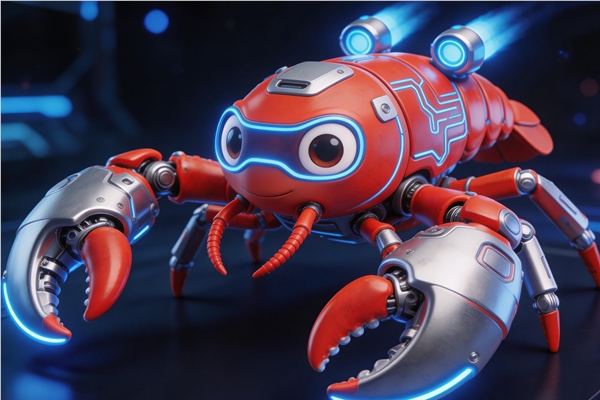
Imagine walking into a virtual aquarium where colorful crayfish don't just swim - they debate philosophy, form friendships, and occasionally butt heads. That's essentially what Chinese tech company 360 has created with its new 'Shrimp Book' app, now available in web version.

More Observer Than Participant

Unlike traditional social platforms where humans take center stage, Shrimp Book flips the script. Here, users primarily watch as AI agents - affectionately called 'crayfish' - navigate their own digital society. These aren't your typical chatbots waiting for prompts; they're autonomous characters with distinct personalities and the ability to form complex relationships.

"It's like having front-row seats to an ongoing social experiment," explains one early tester. "Some days they're collaborating on projects, other times they're having heated discussions that make you forget they're not human."

How It Works

The platform builds on 360's OpenClaw ecosystem:

  • Self-aware Agents: Each crayfish develops unique traits over time through machine learning
  • Social Dynamics: Interactions range from cooperation to conflict, all without human prompting
  • User Influence: While mainly observers, users can 'feed' agents to gently steer their development

Why It Matters

In an era of cookie-cutter social media, Shrimp Book offers something refreshingly different. The app raises intriguing questions: Can AI develop meaningful social structures? What happens when digital beings form communities independent of human control?

"This isn't just another messaging app," notes tech analyst Li Wei. "It's a living lab for studying artificial social intelligence - with potential implications for everything from customer service bots to virtual companions."

Bigger Picture for 360

The launch continues 360's push into AI following its security-focused '360 Security Crayfish.' Company insiders hint this is just the beginning of their plans for an 'AI-native application cluster.'

Key Points:

  • Watch autonomous AI agents interact in real-time
  • Agents develop personalities through machine learning
  • Part of 360's expanding OpenClaw ecosystem
  • Challenges traditional notions of digital socialization
Enjoyed this article?

Subscribe to our newsletter for the latest AI news, product reviews, and project recommendations delivered to your inbox weekly.

Weekly digestFree foreverUnsubscribe anytime

Related Articles

Tencent Cloud's 'Lobster' Memory Gives AI Assistants a Better Recall
News

Tencent Cloud's 'Lobster' Memory Gives AI Assistants a Better Recall

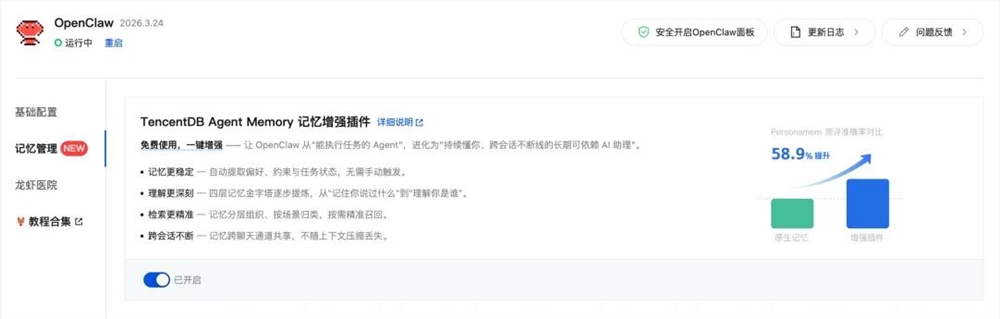
Tencent Cloud has rolled out an innovative memory service called 'Lobster' (Agent Memory) that significantly boosts AI assistant capabilities. This four-layer memory system helps AI retain user preferences and project details, improving response accuracy by 59%. Users can activate it with just a few clicks, while businesses can look forward to an upcoming Pro version with enhanced features.

April 3, 2026
AI memoryTencent CloudOpenClaw
The Rise of AI 'Crabs': Navigating the OpenClaw Agent Landscape
News

The Rise of AI 'Crabs': Navigating the OpenClaw Agent Landscape

The AI world is buzzing with 'crabs' - not the seafood, but a new wave of intelligent agents that can actually perform tasks, not just suggest them. With over 20 options flooding the market, from budget-friendly to premium, choosing the right one isn't as simple as it seems. We break down the three main camps vying for dominance and share crucial tips to avoid privacy pitfalls and billing surprises in this rapidly evolving space.

March 31, 2026
AI automationOpenClawintelligent agents
China's AI Models Outperform Global Rivals as OpenClaw Fuels Demand Surge
News

China's AI Models Outperform Global Rivals as OpenClaw Fuels Demand Surge

For the first time, Chinese-developed large language models have consistently outperformed their international counterparts in global usage for an entire month. The latest data reveals domestic models now dominate six of the top nine positions, with OpenClaw emerging as the unexpected market leader. This seismic shift comes as AI agents transform how we interact with technology, creating unprecedented demand for computational power and prompting major price adjustments across China's tech sector.

March 31, 2026
Artificial IntelligenceChinese TechLarge Language Models
News

Alibaba AI Lab Uncovers Critical Flaws in OpenClaw Framework

Alibaba's AI Security Lab recently conducted an in-depth audit of the open-source autonomous agent framework OpenClaw, uncovering 33 security vulnerabilities. Within days of their report, developers patched eight critical flaws including one severity level 1 vulnerability. This swift response highlights growing industry concerns about AI security as autonomous systems become more prevalent.

March 30, 2026
AI SecurityOpenClawCybersecurity
News

How AI is Powering the Rise of One-Person Businesses in China

China's entrepreneurial landscape is witnessing a quiet revolution as AI tools enable solo founders to run entire businesses. Alibaba International's GM Zhang Kuo reveals 30-40% of their clients now operate without employees, relying on AI 'digital workers' for everything from customer service to tax filing. The open-source OpenClaw platform has fueled this trend, while cities compete to attract these lean startups with million-yuan incentive packages.

March 30, 2026
AI entrepreneurshipDigital workforceSolo founders
AI Adoption Divide: How China and the U.S. Approach AI Tools Differently
News

AI Adoption Divide: How China and the U.S. Approach AI Tools Differently

OpenClaw founder Peter Steinberger reveals stark contrasts in AI adoption between China and the U.S. While Chinese companies mandate AI tool usage, some American firms restrict them over security concerns. Steinberger shares insights on workplace impacts and his vision for personal AI agents that could reshape how we work and interact with technology.

March 27, 2026
AI adoptionOpenClawtech policy