Zuckerberg's Digital Twin: Meta's Bold AI Experiment to Clone Its CEO
Inside Meta's Plan to Digitally Clone Its Founder
Meta is betting big on artificial intelligence with its most personal project yet: creating a digital twin of CEO Mark Zuckerberg. This isn't just another chatbot - the company aims to develop a photorealistic 3D avatar capable of holding real-time conversations with employees, effectively putting a piece of Zuckerberg in every virtual meeting room.
The Digital CEO Initiative
According to internal sources, the project has become a top priority at Meta. The digital Zuckerberg isn't merely cosmetic - it's being trained on hundreds of hours of the CEO's voice recordings, public appearances, and even his distinctive mannerisms. Employees might soon find themselves getting strategy advice or feedback from what appears to be their boss, without the actual Zuckerberg being present.
"We're not just replicating his appearance," explains a Meta engineer familiar with the project. "We're capturing how he thinks, how he makes decisions, even how he might respond to unexpected questions."
Hands-On Leadership in AI
Zuckerberg himself is deeply involved, reportedly spending 5-10 hours weekly on various AI projects. His hands-on approach includes participating in coding sessions and technical reviews. The CEO seems particularly invested after seeing the success of startups like Character AI, which demonstrated consumer appetite for digital personas.
This digital twin project runs parallel to Meta's "CEO AI agent" - a separate tool that helps Zuckerberg quickly retrieve information. Together, these initiatives represent Meta's broader push into what Zuckerberg calls "personal superintelligence," an area where he hopes to outpace competitors like OpenAI and Google.
Technical Challenges and Ethical Questions
Creating a convincing digital human presents enormous technical hurdles. Current prototypes require massive computing power to achieve realistic interactions. Then there's the philosophical question: Can an AI truly replicate a person's essence, or is it just an advanced impersonator?
Meta has also faced criticism about AI safety, particularly regarding younger users. Earlier this year, the company restricted minors' access to its AI Studio platform, where users can create digital personas or chat with celebrity-inspired bots.
The Business Behind the Bots
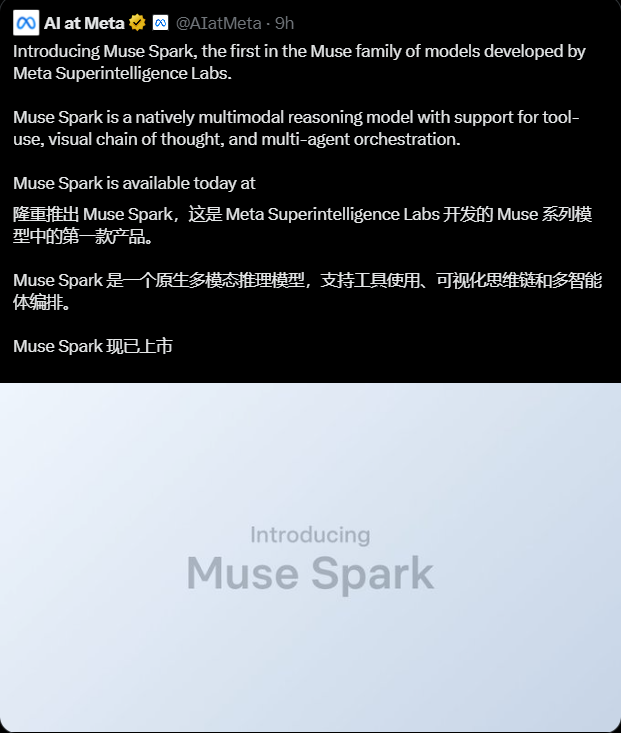
Meta's AI ambitions got a boost from Wall Street after the successful launch of MuseSpark, its specialized model excelling in health reasoning and visual understanding. Investors see AI as crucial to Meta's future, especially as the company pivots from its social media roots.
"This isn't just about internal tools," notes tech analyst Rebecca Cho. "If Meta can perfect digital humans for workplace use, that technology could revolutionize everything from customer service to education."
Key Points
- Meta is developing a highly realistic AI version of Zuckerberg for employee interactions
- The project combines 3D modeling with conversational AI trained on the CEO's speech patterns
- Zuckerberg spends significant time weekly on AI development projects
- Technical challenges include realistic rendering and natural conversation flow
- The initiative follows Meta's MuseSpark launch and ongoing AI safety debates
- Digital humans could transform workplace communication if successfully implemented